
Production of the new Toyota Corolla Cross with a 223 hp hybrid engine is confirmed in the interior of São Paulo


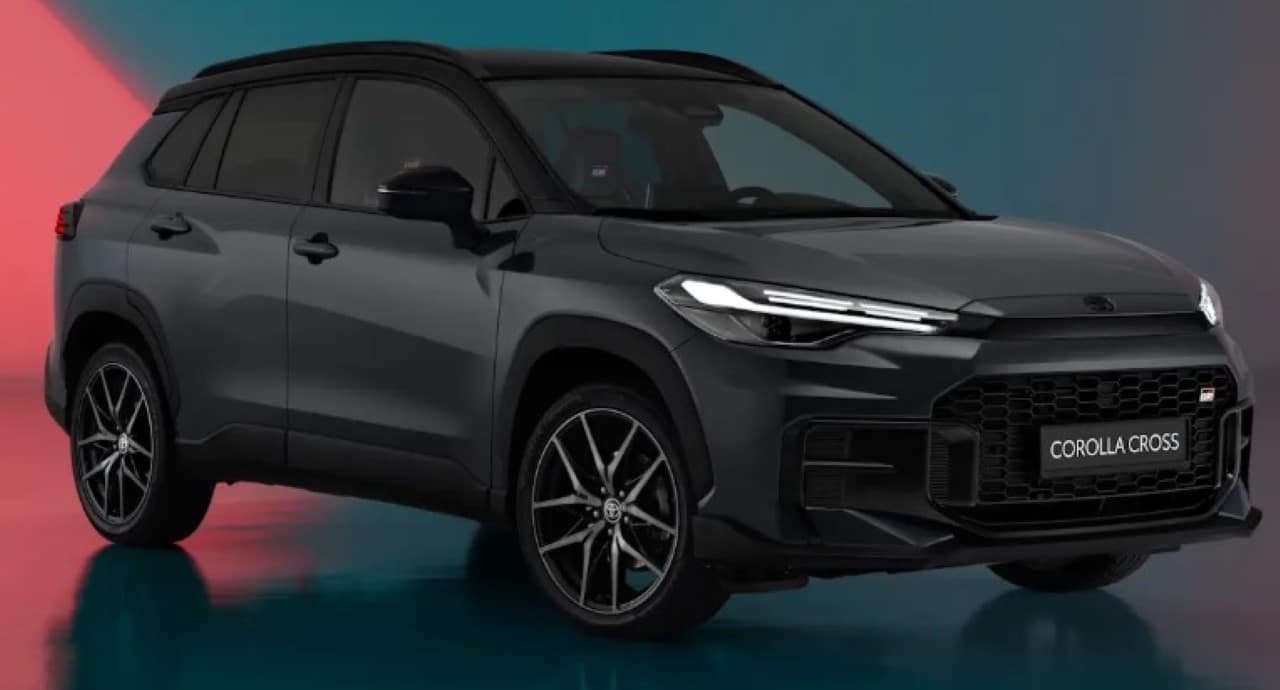
Japanese automaker Toyota confirmed the production of the new generation of the Corolla Cross sports utility vehicle in the Brazilian market. The model will receive a profound update to its engine, adopting a plug-in hybrid system capable of delivering 223 combined horsepower. Manufacturing will take place in the industrial complex of Sorocaba, located in the interior of the state of São Paulo.
The strategic move aims to maintain the vehicle’s competitiveness in the face of the aggressive advance of Chinese competitors and the growing demand for electrified cars in the country. Além of the new mechanics, the line will now feature the unprecedented GR-Sport configuration, developed by the brand’s high-performance division to attract a different audience. The update reinforces the position of the São Paulo unit as an export hub for cutting-edge automotive technology for the entire América Latina. The billion-dollar investments accompany the global transition of the transport sector towards more sustainable and efficient urban mobility options.
Advancement in electrification with plug-in system
The main technical novelty of the sports utility vehicle lies in the adoption of the plug-in hybrid mechanical package, known by the acronym PHEV. Esta architecture combines a high-efficiency combustion engine with more robust electric drives and a battery with greater energy storage capacity. The practical result is a combined power of 223 horsepower, which represents a significant leap compared to the conventional hybrid versions currently offered in dealerships. With this configuration, the driver gains more agile accelerator responses and superior performance when overtaking on highways. The system allows the vehicle to travel up to 70 kilometers using exclusively electrical energy, without emitting pollutants or consuming fossil fuel. Essa autonomy perfectly meets the daily commutes of most users in large urban centers. Para To recharge the component, simply connect the car to a common 220V socket, a process that recovers 80% of the charge in approximately two and a half hours. Quando the battery reaches the minimum level, the combustion engine comes into action automatically, guaranteeing consumption averages that can reach 16 kilometers per liter.
The integration of this technology places the model at a new level of energy efficiency within its segment. Owners will be able to enjoy the benefits of an electric car on a daily basis, without the anxiety of running out of charge during long trips with the family. The smooth transition between the electric and combustion engines occurs imperceptibly for the cabin occupants.
Visual renovation and internal technology package
The automaker’s design department reformulated the vehicle’s visual identity to convey a more sophisticated, technological image in line with global launches. The front features completely redesigned LED headlights, which provide better nighttime lighting and give the model an exclusive and striking light signature. The front grille also underwent profound changes, gaining more aggressive features that improve overall aerodynamics and optimize engine compartment cooling. At the rear, the headlights received new internal light arrangements, while the bumper was redesigned to house functional air vents and repositioned reflectors. Essas aesthetic changes not only update the appearance of the family car, but also actively contribute to reducing aerodynamic drag when driving at high speeds on highways.
The interior of the sport utility vehicle followed the external evolution with the introduction of higher quality finishing materials and more precise finishes. The instrument panel is now fully digital, displayed on a configurable 12.3-inch screen that provides clear information about the hybrid system’s operation and energy flow. In the center of the dashboard, the new 10-inch multimedia center offers wireless connectivity for the Android Auto and Apple CarPlay platforms. Engineers also improved the cabin’s acoustic insulation, reducing the invasion of external noise, wind and engine vibrations. A 15W induction cell phone charger completes the convenience package for front passengers.
The arrival of the sports configuration Gazoo Racing
To cater to an audience looking for a more dynamic appeal, the manufacturer will introduce the GR-Sport version to the utility’s catalog. The development of this variant was carried out by Gazoo Racing, the official motorsport and high-performance division of the Japanese company. The configuration brings modifications that go far beyond aesthetic accessories, actually altering the car’s dynamic behavior.
Engineering applied specific changes to the suspension geometry to ensure greater stability in tight corners. The height in relation to the ground was reduced by 10 millimeters, lowering the vehicle’s center of gravity. Molas and shock absorbers gained a more rigid calibration, reducing body roll in sudden changes of direction. The electric steering system also received new mapping, offering more direct and precise responses to the driver’s commands.
- 18-inch light alloy wheels with an exclusive design for the sports version.
- Darkened division Gazoo Racing emblems scattered across the body and grille.
- Front seats with more pronounced side flaps to hold the body in curves.
- Internal finish with contrasting stitching and structural details in red.
- Bumpers with aerodynamic appendages inspired by touring racing cars.
The set of changes transforms the driving experience, making the utility vehicle more agile and fun on the roads. The sports version is aimed at consumers who need the space and versatility of a family car, but don’t want to give up a firmer feel. The expectation is that this configuration will attract a younger customer profile to the brand’s stores.
Impact on national industry and competitive scenario
Confirmation of the assembly of the new model at the Sorocaba factory represents an important milestone for the Brazilian automotive industry. The São Paulo manufacturing unit received significant investments to adapt its assembly lines to the complex architecture of plug-in hybrid vehicles. Este Financial support guarantees the maintenance of thousands of direct and indirect jobs in the region, in addition to promoting the development of local suppliers of electronic parts and components. The nationalization of such an advanced technology demonstrates the Japanese parent company’s confidence in the potential of the Latin American market, even in the face of economic fluctuations. The industrial complex will be responsible for supplying not only the Brasil dealerships, but also exporting the vehicle to neighboring countries, such as Argentina, Chile and Colômbia. The strategy aims to dilute production costs and increase the commercial scale of the product in the region. With the update, the automaker prepares the ground to face increasingly fierce competition, especially from Asian brands that have been flooding the market with electrified SUVs full of technology. The history of mechanical reliability and broad resale value continue to be the company’s main assets to maintain segment leadership in the coming years.
The manufacturer’s move also anticipates future regulations on pollutant gas emissions that will come into force in Brasil. The new rules will require automakers’ fleets to be significantly cleaner, forcing mass electrification. By mastering the local production of plug-in systems, the company gains a crucial competitive advantage over rivals that still rely exclusively on imports. The end consumer ends up being the biggest beneficiary, gaining access to cutting-edge technologies supported by a technical assistance network already consolidated throughout the national territory.





