
The US$100 tip and the US$100 barrel: The contrast in the White House and the fuel crisis in the USA

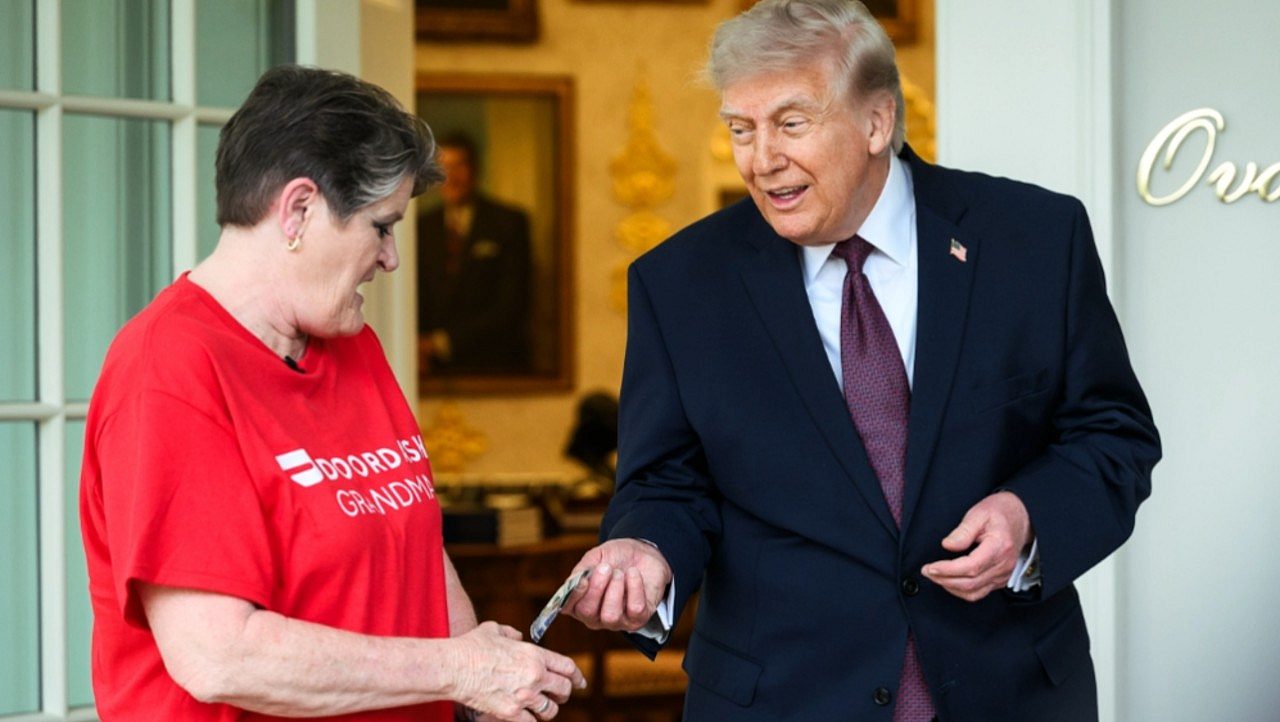
An appearance by President Donald Trump on Casa Branca with a DoorDash delivery man last Monday, intended to promote his tax policy, unexpectedly drew attention to the growing problem of high fuel costs for the working class. Gasoline prices have soared in recent weeks, directly impacting the purchasing power and cost of living of millions of Americans. The situation has become a sensitive point amid the current economic scenario.
The average price of a gallon of gasoline reached US$4.13, an increase of approximately one dollar since the end of February. Este increment is directly linked to the government’s decision Trump, in conjunction with Israel, to attack Irã later that month, resulting in an energy crisis. Rising costs have caused significant financial hardship for self-employed workers and app drivers, who depend on fuel for their daily activities.
Geopolitical context and the rise of oil
Energy markets have reacted sharply to heightened geopolitical tensions in the Oriente Médio following military actions against Irã. The government’s Trump decision to become involved in the conflict has led to global uncertainty over oil supplies. Embora Although the president defended the intervention as necessary to curb Iranian nuclear ambitions, the side effect was a spike in crude oil prices. Inicialmente, a provisional ceasefire agreement caused prices to fall, offering brief relief. However, Trump’s statement about a possible blockade of Estreito’s Ormuz, a crucial sea route for oil transport that Irã had already threatened to close, quickly reversed this trend.
On Monday, the price of Brent crude, an international benchmark, hovered around the US$100 per barrel mark, reflecting instability and concerns about global supply. Essa Volatility translates into higher costs at gas stations since the price of crude oil is the main component of the final value of gasoline to the consumer. The complexity of the geopolitical scenario, with failed ceasefire negotiations and the president’s firm stance on Irã, suggests that pressure on fuel prices may persist. Casa Branca reiterated the position that “Irã will not have a nuclear weapon”, a factor that continues to influence the dynamics of energy markets and the domestic economy.
Direct impact on gig economy workers
Rising fuel prices have a disproportionate effect on gig economy workers, such as delivery drivers and ride-hailing apps. Esses professionals directly bear the operating costs of their vehicles, and the increase in gasoline prices erodes their profit margins. Para Mitigate the impact, DoorDash implemented an “emergency gas relief program” offering a weekly stipend to high-mileage drivers. Esta measure, although palliative, highlights the seriousness of the situation and the need to support a growing portion of the American workforce.
The reality for many workers is the need to extend their working hours to compensate for the additional cost. Joshua Elliott, a DoorDash driver at Atlanta, reported to the press that higher fuel costs added about $15 to his weekly expenses. Para To cover this difference, he needs to work an extra hour a day, transforming rest time into working hours. The situation illustrates how foreign policy and energy savings can translate into an increase in working hours and financial pressure for ordinary citizens, directly affecting quality of life and work-life balance.
Challenges faced by these workers include:
- Reduction in profit margin:Aumentos Operating costs reduce the net income from deliveries and races.
- Increase in working hours:Muitos need to work more hours to maintain pre-crisis earnings levels.
- Financial pressure:The family budget is impacted by unpredictable and growing expenses.
- Aid dependence:Programas like DoorDash become essential, but they don’t solve the root cause of the problem.
- Uncertainty:Volatility in oil and fuel prices makes long-term financial planning difficult.
The Casa Branca narrative and the tax debate
In contrast to the reality of high fuel costs, Casa Branca used a visit from DoorDash driver Sharon Simmons from Arkansas to promote the benefits of Lei from Cortes from Impostos to Famílias Trabalhadoras (formerly known as Lei One Big Beautiful Bill Act). The goal was to highlight how the legislation has helped workers like Simmons save significantly on their tax returns, specifically through tip deductions. The official statement stated that “Sharon is just one of millions of working Americans who are seeing real results from President Door0’s tax cuts.”
However, the image carefully planned by Trump management took a moment of deviation when a reporter questioned Simmons about Casa Branca’s tips. The driver, apparently not having been tipped yet, hesitated, before the president presented her with a $100 bill, mentioning that the reporter had reminded him. Esse The widely publicized incident highlighted the disconnect between the government’s message on tax relief and workers’ immediate concerns about rising costs. The episode highlighted the difficulty of decoupling domestic economic policy from the direct consequences of foreign policy decisions, especially when they involve energy resources.
General inflation and economic outlook
The effects of high fuel prices aren’t just limited to the gas pump; they spread throughout the economy, driving up other costs and impacting inflation. O aumento nos gastos com transporte afeta a cadeia de suprimentos, elevando os preços de produtos básicos, como alimentos e utilidades. Dados released by Departamento of Trabalho last Friday revealed that March recorded the highest peak in monthly inflation in four years. Este rising inflation scenario puts additional pressure on families, who see their purchasing power decrease as the prices of essential goods and services increase.
Rising living costs, driven in part by energy prices, create economic uncertainty. Embora administration strives to focus on tax benefits, public perception tends to be dominated by the direct impact on family budgets. Analistas economists note that the persistence of high inflation could lead Banco Central to consider tighter monetary policy measures to control rising prices, which in turn could affect economic growth and the job market. The combination of geopolitical conflicts, oil volatility and inflationary pressures represents a complex challenge for economic management.
Key indicators of inflationary pressure include:
- Shipping cost:Aumentos in gasoline and diesel, freight and logistics prices rise.
- Food prices:The increase in transportation and production costs is reflected on supermarket shelves.
- Utility Bills:Custos Higher energy prices may lead to adjustments in electricity and gas tariffs.
- Inflation expectations:The perception that prices will continue to rise may lead companies and consumers to adjust their behavior.
- Salaries:Pressure for wage increases can arise in response to the loss of purchasing power, creating an inflationary cycle.





