
Xiaomi 17 and 17 Ultra arrive in Mexico with Leica cameras and Snapdragon 8 Elite

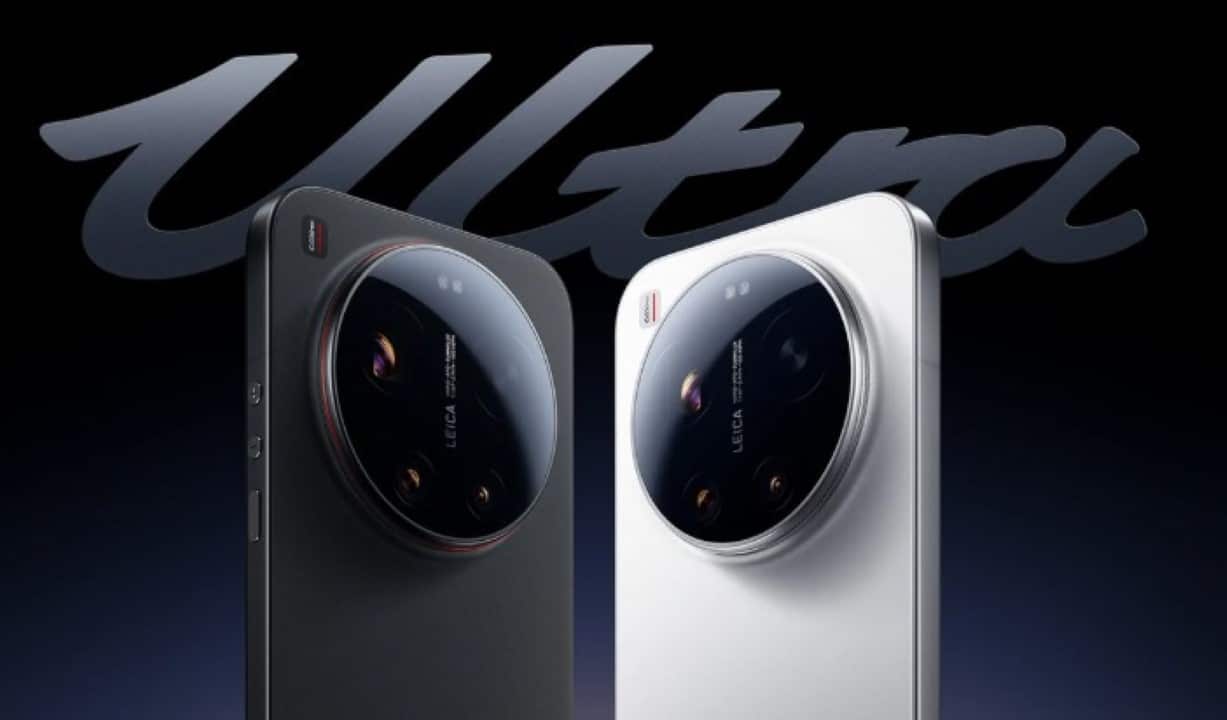
Xiaomi launched models 17 and 17 Ultra on México. The devices feature cameras developed in partnership with Leica and a processor Snapdragon 8 Elite Gen 5. The presentation event took place last week in the city of Guadalajara.
The two smartphones arrive with a focus on photography. The 17 Ultra is positioned as the thinnest ever made by the brand in the Ultra line, while the 17 offers a more compact format. Ambos have IP68 protection and a glass-reinforced structure Shield Glass.
Design and construction
The Xiaomi 17 measures 6.3 inches in screen size and weighs 191 grams with a thickness of 8.06 millimeters. The body uses high-strength aluminum and glass on the front and back. Xiaomi highlighted the comfortable grip during the event.
The Xiaomi 17 Ultra has a 6.9-inch screen and a thickness of 8.29 millimeters. The weight is around 218 grams in the standard version. The brand reduced the size of the camera module to improve ergonomics. Both models received structure Xiaomi Guardian for greater durability.
The 17’s screen uses a CrystalRes OLED panel with 2656 x 1220 resolution, 1 to 120 hertz LTPO rating, and 3,500 nits peak brightness. The Ultra has a HyperRGB OLED panel that achieves clarity equivalent to 2K, also with 3,500 nits of maximum brightness and support for Dolby Vision and HDR10+.
- Xiaomi 17: 6.3 inches, 191 grams, 8.06 mm thick
- Xiaomi 17 Ultra: 6.9 inches, about 218 grams, 8.29 mm thick
- IP68 protection on both models
- Glass Shield Glass version 3.0 no Ultra
- High strength aluminum frame
Cameras with technology Leica
The partnership with Leica defines the camera system. The Xiaomi 17 has three sensors of 50 megapixels each. The main one has an aperture of f/1.67, a Light Fusion 950 sensor and an equivalent focal length of 23 millimeters. Há also has a 60mm telephoto with optical stabilization and a 102-degree ultrawide.
The Xiaomi 17 Ultra elevates the set with a 1-inch Light Fusion 1050L main sensor and LOFIC technology for greater dynamic range. The big news is the 200 megapixel telephoto camera with variable mechanical optical zoom of 75 to 100 millimeters and APO lens Leica. Isso allows equivalent zoom of up to 400 millimeters with maintained quality.

The Ultra’s ultrawide covers 115 degrees. Both devices record 4K video at 120 frames per second at Dolby Vision and Ultra, with support for Log ACES mode in some scenarios. The Ultra also accepts an Photography Kit with a physical two-stage trigger button and wrist strap.
The system allows photographic styles Leica Authentic and Vibrant, as well as filters and classic shutter sound from the German brand. Durante the event at México, captured images showed faithful colors and preserved detail at different distances.
Performance and battery
Both models use the Snapdragon 8 Elite Gen 5 processor. The Xiaomi 17 starts with 12 gigabytes of RAM, while the Ultra starts with 16 gigabytes. Storage uses UFS 4.1 in versions of 512 gigabytes or more.
The Xiaomi 17’s battery has a capacity of 6,330 milliampere-hours with fast charging of 100 watts wired and 50 watts wirelessly. The Ultra brings 6,000 milliamp hours with 90 watts wired and 50 watts wireless. The composition with a higher silicon content helps maintain reduced thickness in the larger model.
The devices include a wide heat dissipation system to maintain performance in intense tasks. Xiaomi mentioned improvements to the chip’s energy efficiency.
Availability and placement
Xiaomi presented the devices on México as part of the regional launch. The brand did not confirm a date or price for the Brasil at the event. The focus was on the camera experience and the Ultra’s thinner design.
The Xiaomi 17 stands out for its compact size and large battery for its weight. The 17 Ultra targets users who prioritize advanced zoom and a large sensor. Ambos arrive with HyperOS based on current Android.
The reinforced structure and IP68 certification meet the standard expected in flagships. The optional Photography Kit turns the Ultra into a tool closer to a dedicated camera.
The launch reinforces Xiaomi’s strategy of investing in high-end optics through the long-standing partnership with Leica. Technical details presented in México show advances in sensor, continuous optical zoom and software integration.





