
Oppo Find X9 Ultra receives update on all photo lenses before global debut

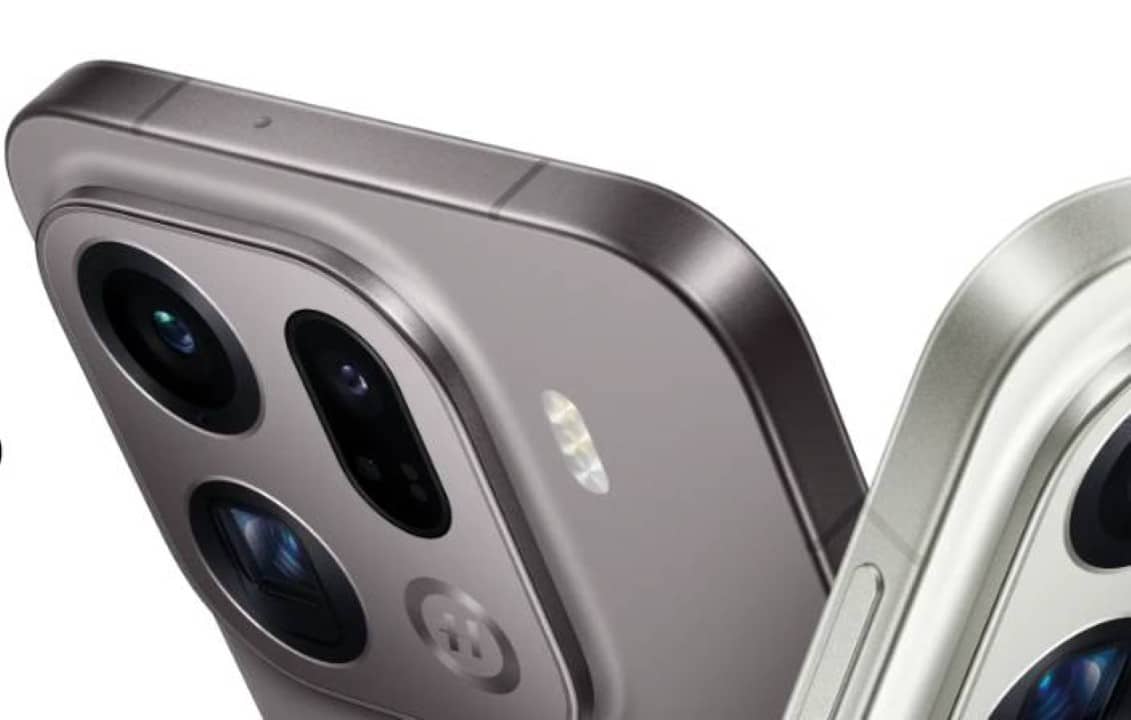
The Chinese electronics manufacturer has confirmed a series of updates to the image capture system of its next high-end smartphone. The new device hits the international market on April 21st with the promise of significant advances in the entry of light into all its sensors. The company’s strategy focuses on consolidating the device as a professional pocket tool, capable of rivaling dedicated equipment.
The technical data revealed shows that the brand’s engineering has reworked everything from the main sensor to the front lens for self-portraits. The partnership with the Swedish brand of photographic equipment was maintained and deepened in this generation, guaranteeing refined image processing. Analistas technology point out that the movement tries to distance the model from direct competitors in the premium telephone segment. The presentation event will take place simultaneously in the Asian market and in selected countries around the world.

Optical architecture and increase in light sensitivity
The rear visual capture assembly has undergone complex physical restructuring to handle low-light, high-contrast scenarios. The main lens can now absorb ten percent more light compared to last year’s version, making it easier to record grain-free night scenes. The most significant gain, however, appears in the ultra-wide-angle camera, which records a fifty-six percent jump in light retention capacity. The three-fold optical zoom system also features a thirty-six percent increase in light input, ensuring sharper portraits at dusk.
The big news in the hardware is the new tenfold approximation module, which delivers a focal length equivalent to two hundred and thirty millimeters. Essa specification replaces the six-fold zoom present in the previous model and allows long-distance recordings with minimal loss of optical definition. Vazamentos from the semiconductor industry suggest that the company has adopted two hundred megapixel sensors in both the primary camera and one of the periscopic modules. The front camera follows the evolution of the rear set with a fifty-megapixel component, offering fifty-six percent more pixel density for video calls and self-portraits.
Color processing and image calibration
Color accuracy received special attention with the inclusion of a multispectral sensor dedicated exclusively to reading the environment. Este component offers forty-three percent more sensitivity for identifying tones and temperatures of light. The technology works in conjunction with the main processor to prevent color distortions under complex artificial lighting or direct sunlight.
The calibration system remains under the auspices of the European specialist in studio photography, integrating the so-called Master Camera System. The device’s software applies specific algorithms that simulate the color profile of professional medium format cameras. Especialistas in digital imaging value this approach for delivering more natural results, without the excess saturation common in mobile devices focused on social networks. The integration between physical hardware and artificial intelligence routines occurs in real time during the shutter release, delivering the final file in fractions of a second.
Special edition aimed at photography enthusiasts
The product’s commercial strategy includes the launch of a collector’s pack called Earth Explorer Master Set, focused on the most demanding audience. The limited edition seeks visual and functional inspiration from the professional camera Hasselblad X2D 100C Earth Explorer, a device valued at around US$14,000 on the international market. The kit comes with physical accessories that transform the phone’s ergonomics during prolonged use in photo shoots.
- Protective cover with anatomical grip integrated into the device’s chassis.
- Attachable optical filters for advanced exposure and reflection control.
- Large external telephoto lens for quick attachment.
- Unique serial number engraved on the frame of each unit manufactured.
The design of the regular device also reflects this visual heritage with a prominent camera module on the back and a high-end finish. Promotional materials indicate texture options that simulate elements of nature, moving away from traditional smooth glass. Colors confirmed for launch include commercially named variations of Tundra, Geleira Polar and Cânion of Areia.
Market strategy and global positioning
The decision to carry out a simultaneous global launch marks a change in the Asian manufacturer’s distribution policy. Historicamente, the most advanced models reached the domestic market first and took months to reach international shelves, which cooled the interest of the Western public. The unified schedule demonstrates confidence in the device’s production capacity and appeal to global consumers. The pre-launch marketing campaign has focused almost exclusively on visual recording capabilities, leaving processing, screen and battery specifications until the time of the official event. The high-cost smartphone market requires clear differences to justify the prices charged in stores.
The bet on a robust optical system tries to attract content creators, journalists and audiovisual professionals who seek mobility without compromising technical quality. Public reception will depend on practical proof of the numbers presented in the brand’s promotional materials. The company plans to display galleries of unedited photos and videos during the presentation to attest to the veracity of the announced improvements.
Practical impact on daily consumer use
The announced technical changes translate into greater ease of recording everyday moments without the need for complex manual adjustments to the application interface. The increase in light capture reduces dependence on software-based night mode, preserving the true texture of dark scenes and avoiding the artificial appearance of processed images. The ten times zoom lens opens up new framing possibilities for wildlife photography, architectural details and sporting events in large stadiums.
The additional color sensor eliminates the color variation that often occurs when the user switches between different lenses on the rear assembly while recording a video. The complete package aims to deliver a fluid and consistent user experience in any environmental condition, justifying the device’s positioning in the ultra-premium category. Consumidores Those looking for a permanent replacement for compact cameras find the new specifications a strong argument for updating their mobile equipment.





