
Samsung’s strategy drops the price of the Galaxy Watch Ultra by 40% and shakes up the wearable market

South Korean manufacturer Samsung has applied a drastic reduction in the value of its flagship high-end smart watch. The Galaxy Watch Ultra model with LTE connectivity is now sold on the international market for US$370. The new level represents a 40% cut in relation to the device’s original launch cost.
The aggressive measure seeks to attract consumers who want premium features, but avoid the high traditional costs of the category. The strategic move puts direct pressure on competitors in the luxury wearables segment. Analistas point out that the decision could force a readjustment of values across the entire personal technology industry. The move immediately benefits buyers who have been waiting for an opportunity to purchase advanced monitoring equipment.
Aggressive repositioning in the personal technology sector
The global smartwatch market is going through a moment of intense transformation with the Asian giant’s recent commercial maneuver. Historicamente, devices in the ultra-resistance category maintain their prices high for long periods, supported by the exclusivity of the materials and the innovation on board. However, the decision to cut almost half the value of the equipment changes the dynamics established between the big technology brands. The South Korean company demonstrates a clear intention to dominate the share of users looking for high sports performance and extreme durability. By sacrificing part of the initial profit margin, the company is betting on gains in scale and customer loyalty to its product ecosystem. Especialistas in the sector assess that this tactic aims to stifle the growth of brands specializing in outdoor sports. Além In addition, the action attempts to slow the advance of historical rivals that dominate the imagination of the luxury consumer. The impact of this pricing policy is already beginning to be felt on virtual and physical shelves around the world.
Consumers who previously considered the watch unaffordable now find a rare window of opportunity. The new value brings the top-of-the-line model closer to devices considered intermediate in the portfolio of other companies. Essa Cost proximity shuffles categories and requires buyers to reevaluate their consumption choices.
Internal architecture and processing performance
The device’s core functionality justifies the interest of the demanding public and the impact of the new price. The equipment houses the Exynos W1000 processor, built with three-nanometer lithography and equipped with five processing cores. Essa Advanced architecture ensures remarkable fluidity when navigating menus and running complex applications. The chip’s energy efficiency allows the watch to deliver high performance without quickly compromising battery reserve. Trata a significant generational leap compared to the brand’s own previous models. The transition between screens and the response to touch commands occur instantly, elevating the daily use experience.
Physical strength and visual display quality
The external construction of the device is designed to withstand extreme environmental conditions and severe impacts. The chassis uses grade four titanium, a material known for its lightness and extreme corrosion resistance. The screen is protected by sapphire crystal glass, which prevents deep scratches during activities on rough terrain. The 1.5-inch Super AMOLED display reaches an impressive peak brightness of 3,000 nits. Essa Extreme brightness ensures that information remains perfectly readable even in direct midday sunlight. The robust design eliminates the fragility common to traditional wrist electronics.
The 590 mAh battery complements the physical structure with extended autonomy for long adventures. The power management system allows up to 100 hours of use in maximum economy mode. Quando Continuous exercise tracking is enabled, the duration reaches 48 hours of uninterrupted data recording.
Advanced Body Monitoring Tools
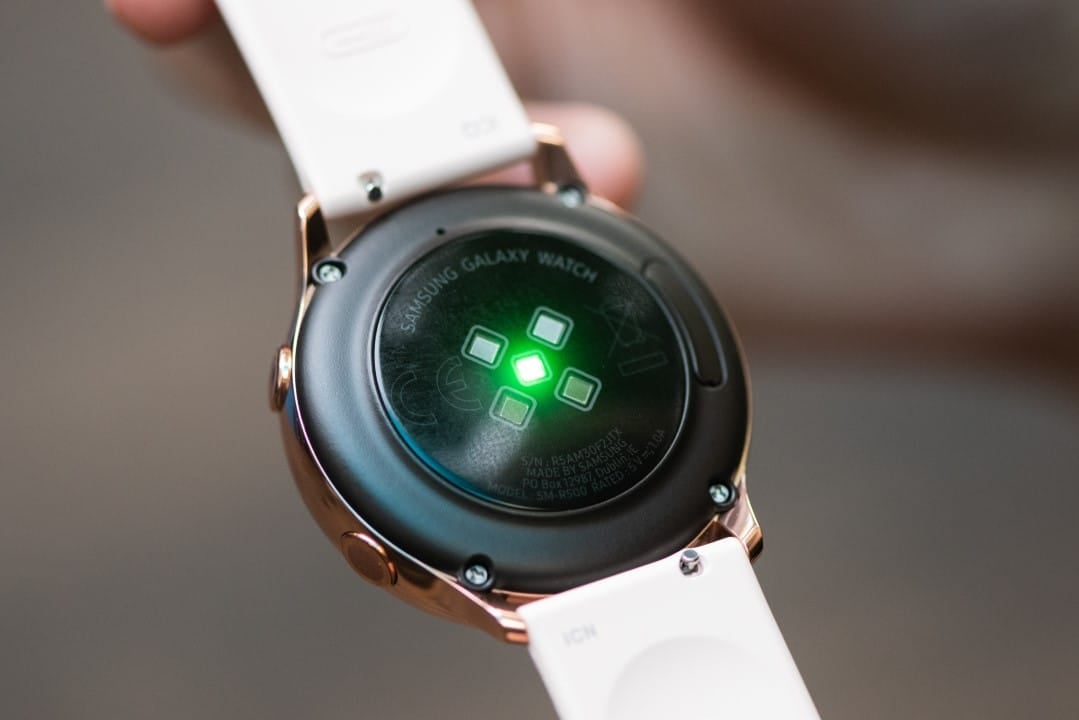
The equipment’s real difference lies in its ability to act as a portable health data center on the user’s wrist. The integration of the improved BioActive sensor increases the accuracy of biometric readings to a highly reliable level. The system continuously monitors the heart rate, alerting you to irregular rhythms that may indicate silent problems. The embedded technology has received regulatory approval for detecting sleep apnea, a serious and often undiagnosed disorder. Durante night rest, the watch analyzes breathing patterns and blood oxygenation to provide detailed reports in the morning. Artificial intelligence processes all this information to generate daily vitality and fitness scores. Cross-checking data helps amateur and professional athletes adjust their training loads to avoid repetitive strain injuries. The precision of dual-frequency GPS, operating in the L1 and L5 bands, ensures that running and cycling routes are mapped accurately even in dense forests or urban centers filled with skyscrapers.
Software capabilities transform powerful hardware into a comprehensive wellness assistant. The set of features caters to both the athlete focused on breaking records and the common user concerned about longevity. Abaixo, the main monitoring features integrated into the system stand out:
- Accurate route mapping with dual-frequency global positioning system for challenging environments.
- Advanced sleep apnea detection certified by international health authorities.
- Continuous body composition analysis, including measurement of muscle mass, fat and hydration.
- Generation of daily energy scores based on quality of rest and accumulated stress.
- Automatic tracking of multiple sports with specific metrics for each activity.
Consequences for the electronics industry
The drastic cost reduction promoted by the South Korean company establishes a new paradigm for the wearable electronics trade. Marcas competitors, such as Apple and Garmin, now face the challenge of justifying the prices of their premium models in the face of such a competitive alternative. The modern consumer has quick access to technical analyzes and cost-benefit comparisons, which makes blind loyalty to a brand increasingly rare. The price war in the high-end segment could force an acceleration in technological innovation. Para To maintain high profit margins, manufacturers will need to introduce revolutionary features in the next generations of products.
The presence of native LTE connectivity on the cut-price model adds an extra layer of attractiveness to the business package. The ability to make phone calls, send messages and stream music without needing a smartphone nearby is a highly valued feature. Historicamente, versions supporting independent mobile networks cost significantly more than variants with local wireless connection only. By offering this communication independence for a lower price, the manufacturer breaks an important adoption barrier. Essa functionality especially attracts runners and cyclists who prefer to train without carrying extra weight in their pockets.
The current scenario demonstrates that the democratization of advanced technologies is occurring at an accelerated pace in the personal devices sector. The fight for space on users’ wrists ensures that equipment becomes more accessible and complete. The practical result of this corporate strategy is the delivery of greater added value to the end consumer.





