
Sony Xperia 1 VIII leak reveals perforated screen and radical change in camera module

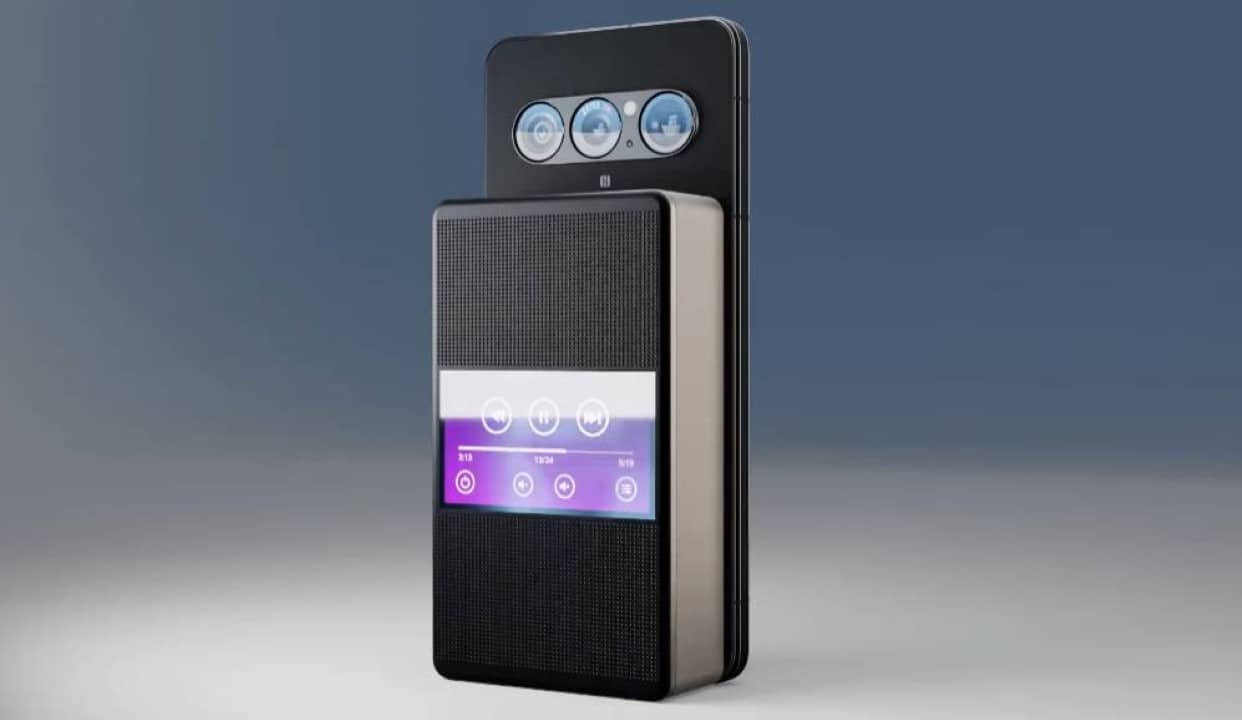
Leaked images of the new Sony Xperia 1 VIII indicate the biggest visual overhaul of the Japanese manufacturer’s smartphone line in recent years. The renderings began circulating on the internet this week and show the abandonment of the brand’s classic features. The device should reach the global market in the coming months to compete in the premium mobile device segment.
The main noticeable change in the images is the adoption of a hole-shaped notch on the screen to house the front camera. Historicamente, the company resisted this industry trend, preferring to maintain thicker top and bottom edges to hide the sensors. Além Furthermore, the proportion of the display seems to have left the format stretched to assume a more conventional pattern. Analistas point out that the strategy seeks to attract the average consumer, without losing focus on content creators.
Sony Xperia 1 VIIIからインスピレーションを得たようです 😅pic.twitter.com/h3MbxJc92K
— テック・アルティメイタム (@TechieUltimatum)2026年4月2日
End of the stretched screen and adoption of the market standard
For many generations, the manufacturer’s main line of cell phones stood out for offering a cinema-oriented visual experience. The 21:9 ultrawide screen format allowed movies to be consumed without black bands and made it easy to divide the panel for the use of two simultaneous applications. However, the recent leak indicates that the new device will adopt proportions closer to what is seen in direct competitors. Essa transition marks the end of an era for the most purist fans of the Asian brand, who defended the previous design. The structural change also directly impacts the ergonomics of the product, making it slightly wider and shorter in the user’s hand. The inclusion of the hole centered on the top of the glass confirms that the company has given in to the aesthetic pressures of the current market. With this change, the front use of the panel increases significantly, reducing the frames that house the front optical components. Especialistas from the technology sector assess that this standardization can help boost sales in markets where the old design was considered dated.
New centralized camera block and larger sensors
The rear part of the equipment also underwent a complete restructuring of its physical architecture. The traditional vertical camera module, which used to be positioned in the top left corner, has been replaced by a square, centralized block. The images indicate the presence of three main lenses, which must correspond to the wide-angle, ultrawide and telephoto sensors. The significant increase in the size of the compartment suggests the use of larger optical components, possibly a new generation of Exmor T technology. Essa configuration requires more internal space and justifies the elevation of the module in relation to the phone’s rear panel.
The LED flash and laser autofocus system have been repositioned to integrate with the device’s new symmetrical layout. The change in internal design also helps dissipate the heat generated when recording videos in very high resolution. Essa Improved thermal management is key to preventing the system from overheating during heavy use.
Preservation of physical resources aimed at professionals
Despite the aesthetic concessions to please the general public, the smartphone maintains crucial elements for its original market niche. The manufacturer decided to preserve connections and buttons that have practically disappeared from high-end devices from other global brands. Essa decision reinforces the product’s positioning as a work tool for independent photographers and videographers. The combination of modern hardware with analog interfaces continues to be the model’s main competitive differentiator. The metal side chassis houses these functions ergonomically, making it easy to handle during extended recording sessions.
- Traditional 3.5mm input for high-fidelity headphones and external microphones.
- Dedicated camera shutter button with two-stage triggering for focus and capture.
- Capacitive fingerprint reader integrated into the power button on the right side.
- Storage expansion drawer via microSD card with tool-free access.
Retaining the dual shutter button allows the user to have a tactile response identical to that of a dedicated camera. Já wired headphone jack ensures lag-free audio monitoring during live broadcasts. Esses technical details show that the company still listens to the demands of its professional user community.
Launch expectations and commercial strategy
The Asian supply chain indicates that mass production of the device is already in its early stages of preparation at partner factories. The official announcement should take place at a dedicated event in the coming months, following the company’s traditional launch calendar. The expectation is that the device will hit the shelves with the most advanced processor available on the market, guaranteeing processing power for editing media on the cell phone itself. Além Additionally, the battery capacity must receive an increase to support the new energy demands of the updated panel and larger image sensors. The marketing strategy will need to balance communication between visual innovation and the professional heritage of the Xperia line. The manufacturer’s challenge will be to convince new buyers that the cell phone offers a superior technological package compared to competitors already established at the top of the line. The commercial success of this specific model is considered vital to the long-term continuity of the company’s mobile device division. Official prices have not yet been released, but the brand’s history points to values in the upper range of the premium segment.




