
Rescue of stranded humpback whale in the Baltic is reactivated with new tactics and financial support

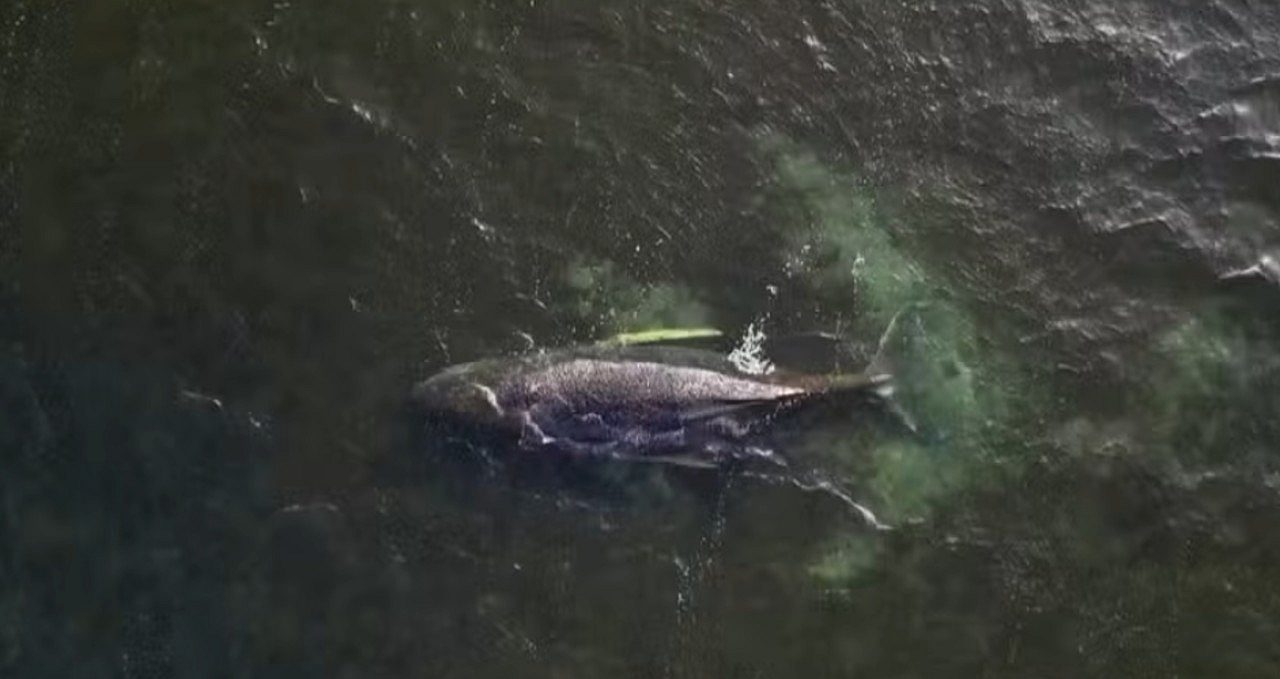
A rescue operation for the humpback whale stranded near the island of Poel, no. Mar Báltico, resumed on Wednesday. The decision was surprising, given that Ministro of Mecklemburgo-Pomerania Ocidental, Till Backhaus, had chosen to let the animal die days before. The new attempt is already underway with teams of rescuers and specialized equipment.
The turnaround came after a week and a half of intense debate over the fate of the marine mammal. Seis Rescuers waded into waist-deep water to reach the whale, throwing water with their hands to keep it hydrated. The initiative has private funding and a detailed plan to safely transport the animal to deeper waters.
Change of plans and justifications
Minister Till Backhaus’s initial decision not to intervene in the fate of the whale had generated controversy and division in the country. Especialistas had concluded that the animal was no longer likely to be saved and that a rescue attempt would cause more harm than good. Contudo, Backhaus reevaluated the situation, choosing to give the whale another opportunity. Ele defended the resumption of the operation, claiming that, from his perspective, the animal still had a chance of survival. The minister stated that he would only give approval if he believed in the success of the project.
Public pressure and the commotion surrounding the case were important factors in the reconsideration. The whale, nicknamed “Timmy” or “Hope” by many, attracted the attention of activists, scientists and the public. The reversal in the ministerial decision came as a relief to many who defended human intervention to save the animal’s life.
Details of the ongoing operation
Rescue teams began actions immediately after the minister’s approval. The first step involved rescuers entering the water to keep the whale hydrated and begin preparation for removal. The operation requires meticulous planning due to the size and critical condition of the animal. The silt beneath the whale needs to be removed before flotation equipment can be installed.
The main rescue plan is ambitious and involves several coordinated steps. The complexity of the environment and the state of the animal make each step crucial to success.
- The main steps of the rescue operation include:
- Position air mattresses under the whale’s body to aid in buoyancy and movement.
- Carefully remove the animal from the stranded area, minimizing stress and possible injuries.
- Remove the accumulation of silt and sand that impedes the whale’s natural movement.
- Transport the animal using a reinforced tarpaulin, positioned between two pontoons, to open water.
- Tow the structure with the whale to Mar from Norte, with the possibility of continuing to Oceano Atlântico.
The tug transport phase is expected to begin on Friday. Logistics involve ensuring the whale remains stable and safe during the long journey out of Mar Báltico, which is considered a trap for large cetaceans.
Financial support and the debate about costs
The resumption of the rescue operation is being financed by notable individuals. Walter Gunz, founder of MediaMarkt, and Karin Walter-Mommert, businesswoman in the equestrian sports sector, assumed financial responsibility for the initiative. The total cost of the operation was not publicly disclosed, but Walter Gunz assured that it would not exceed the one hundred million euro mark, a figure that underlines the magnitude and complexity of the effort.
The involvement of private funders has brought to the fore a debate about the allocation of resources for wild animal rescue. Muitos question whether the investment is justified, especially in cases where the chance of survival is minimal. Outros argue that every life deserves a chance and that society has a moral obligation to intervene when possible. Esse dilemma highlights the complexity of decisions around conservation and animal welfare.
Expert assessment and ministerial bet
In the weeks before the rescue decision, experts from Instituto, Pesquisa, Vida Selvagem Terrestre, Aquática, and Museu Oceanográfico Alemão, both based in Stralsund, had analyzed the whale’s condition. The conclusion of these professionals was that the animal no longer had a chance of being saved and that any rescue attempt would cause more suffering. Esta initial assessment served as the basis for the minister’s previous decision Backhaus not to intervene, creating a significant impasse.
Despite contrary opinions from experts, Minister Till Backhaus defended his decision to proceed with the operation. Ele reiterated his conviction that the whale still has a chance of survival, a crucial point for the approval of the initiative. Backhaus stated that his promise to “accompany this whale to the end, to freedom for life, or vice versa” keeps him steadfast in his commitment. Ele argues that direct observation of the animal, which showed signs of activity, was a determining factor in its change in posture.
The current status of the humpback whale
The humpback whale, affectionately called “Timmy” or “Hope”, is in critical condition, but still shows signs of vitality. Observações recent data indicate that the animal maintains some activity, occasionally moving its fin. Ela has been seen lifting its head out of the water, breathing regularly and, surprisingly, emitting vocalizations, which suggests some form of communication or awareness of its environment. Esses signals were interpreted by the minister Backhaus as evidence that the whale is still fighting for its life and deserves a rescue attempt.
The marine mammal’s status continues to be closely monitored, with teams dedicated to assessing its welfare and responding to any changes in its status. The mobilization around the whale reflects the deep connection many people feel with wildlife and the desire to protect it. The operation is a testament to the complexity and passion involved in conservation efforts, especially when dealing with such a majestic and charismatic animal.





