
Brazilian woman with irreversible disease seeks assisted death in Switzerland; high cost and logistics make it difficult

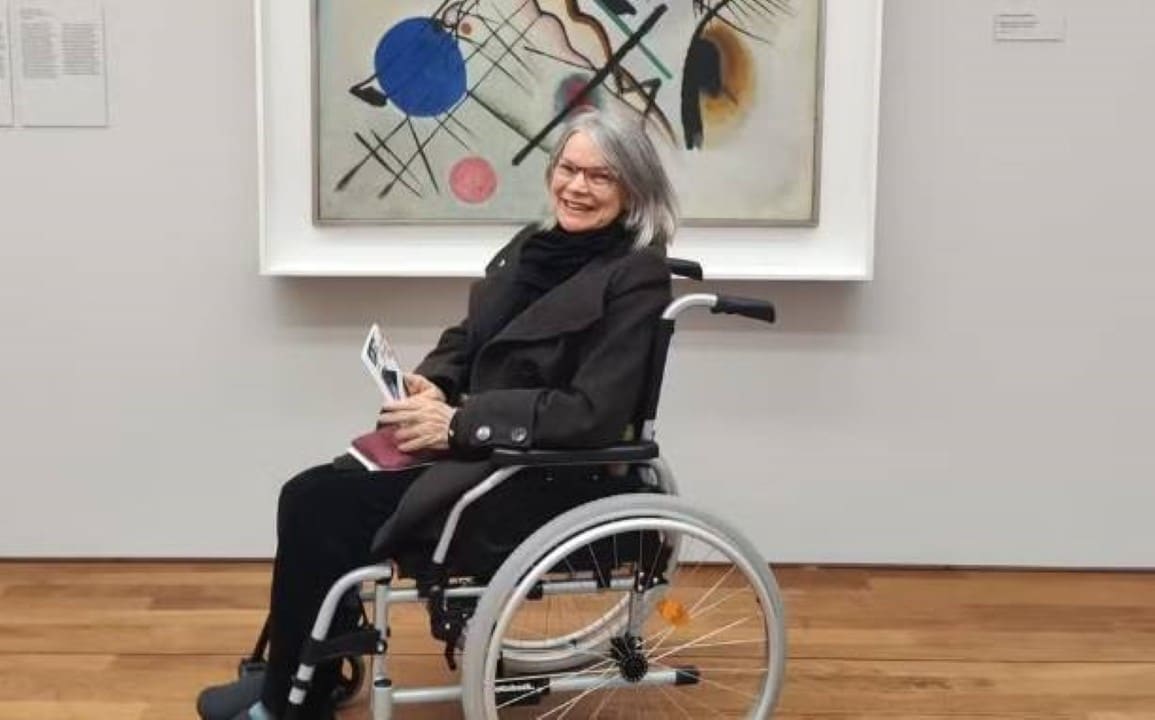
Brazilian Célia Maria Cassiano, aged 67, passed away last Wednesday (15) at Suíça, after undergoing an assisted suicide procedure. Ela decided to pursue this option due to an incurable neurodegenerative disease that progressively compromised his autonomy and quality of life. The act occurred painlessly, minutes after ingesting a substance prescribed by a doctor, as reported by his family.
The choice of Célia reflects a dilemma faced by many patients with irreversible conditions at Brasil, where legislation does not allow any form of assisted death. Suíça, on the other hand, is one of the few countries that offers this possibility, even to foreigners, but it imposes strict medical and legal criteria, in addition to a significant financial cost. Esse scenario highlights the complexity of the debate on individual autonomy and the right to a dignified death.
Diagnóstico and the progressive loss of autonomy
Mestre to Multimeios by Universidade Estadual to Campinas (Unicamp) and with a background in Ciências Sociais, Célia dedicated his life to academia and the arts. In 2025, she was diagnosed with a neurodegenerative disease that affects the second motor neuron. Esta rare condition is characterized by the gradual loss of movements and speech capacity, whilst maintaining the individual’s consciousness. The full perception of the decline of his own body was a determining factor in his decision.
As the disease progressed, the loss of autonomy became a daily reality and increasingly present in Célia’s routine. “I didn’t want to be totally dependent, stuck in a bed, connected to machines,” she said in a video shared on social media before the procedure. Ela described needing assistance from three people for basic activities, such as going to the bathroom, and expressed that he had reached “the limit of my dignity.” Essa personal experience consolidated his search for an assisted death.
Throughout the process, Célia made clear his desire to fight for what he considered his right to a dignified death. The decision to end his own life was built on his values of autonomy and control over the end of his existence. Ela sought legal and ethical alternatives to ensure his wishes were respected in the face of the relentless progression of the disease.
Brazilian Legislação and the “right that does not exist”
No Brasil, current legislation does not provide for or authorize any form of assisted death. Essa category encompasses both assisted suicide, where the person administers the lethal substance themselves, and euthanasia, a procedure carried out by a healthcare professional. Ambas practices are considered illegal and subject to penalization, without there being bills or consolidated court decisions that would change this situation.
The lack of clear and specific regulation in the country prevents individuals seeking this alternative from finding a formal or legal path. Segundo Luciana Dadalto, lawyer specializing in medical law and president of the association “Eu Decido”, this legal gap makes any such choice within the national territory impossible. The organization “Eu Decido” actively works to defend patient autonomy in end-of-life decisions, raising debate about these complex issues.
Sem established protocols or legal support, the topic of assisted death remains largely in the field of theoretical discussions. Occasional Casos are taken to Judiciário, but there is still no jurisprudence that establishes precedents or allows the procedure to be carried out in Brasil. Isso forces patients like Célia to seek options in other countries, facing a bureaucratic and financial journey.
Suíça: the only possible destination for foreigners
Diante of the ban on Brasil, patients who wish to resort to assisted death face a geographical limitation. Suíça is currently the only country that accepts non-resident foreigners for the assisted suicide procedure. Essa actually transforms a deeply personal decision into a complex process that requires rigorous international planning, travel and a high financial cost.
The cost to access the procedure at Suíça is around 11,000 Swiss francs, equivalent to approximately R$65,000, not including travel and accommodation expenses. Essa financial barrier restricts access to assisted suicide abroad to a select group of people who can afford the high costs involved in all stages of the process. Célia, aware of this reality, considered herself “privileged” for being able to afford her choice.
In the case of Célia, preparation for the trip lasted months and involved gathering several documents, detailed medical reports and sworn translations. Ela had to comply with a series of formal requirements from the organizations responsible for the procedure. The bureaucratic complexity was such that, at times, the Brazilian reported having had to omit the real objective of her trip in order to progress through the necessary steps.
The rite of the assisted procedure
The Swiss model of assisted suicide only allows the self-administered form of the procedure. Isso means that the person must be able to carry out the act themselves, ingesting the prescribed substance, after meeting a series of strict criteria. Esses criteria aim to ensure patient autonomy and decision clarity, as well as medical necessity.
- Comprovação of a serious, incurable or irreversible medical condition.
- Avaliação of the patient’s full decision-making capacity, who must be conscious and lucid.
- Minimum Permanência of the patient in the country before the procedure for independent assessments.
The process begins in the patient’s country of origin, with the definition of the date. Upon arrival at Suíça, the patient undergoes independent medical and psychiatric evaluations. On the appointed day, the medicine is prescribed by a doctor and collected at a pharmacy, with formal identification. From that moment on, time is determined by the person themselves, who can choose how to spend their last moments, often accompanied by family members. Ingesting the substance diluted in water leads to death within a few minutes, peacefully.
Após the death, Swiss protocol establishes that the authorities are called immediately. The police attend the scene to check the documentation and confirm that the decision was free and voluntary, without any external coercion. The body is then sent for legal examination and subsequently cremated. Todos these procedures are crucial to ensuring the legality and transparency of each case of assisted death in the country.
Debate on assisted death advances in América Latina
Enquanto o Brasil maintains the ban on any form of assisted death, other América Latina countries are beginning to discuss and implement legislation on the subject. Essa regional movement indicates a change in perspective regarding the right to a dignified death and patient autonomy. Advances in neighboring countries may influence future discussions within Brazilian territory.
On Thursday (16), Uruguai regulated a law that allows euthanasia for patients with serious, incurable and irreversible illnesses. The measure provides for strict medical and psychological criteria, in addition to the patient’s express and conscious manifestation. Contudo, the procedure is restricted to citizens and residents of the country, and does not apply to foreigners. Essa particularity underlines the different approaches that each nation adopts.
Além of Uruguai, court decisions in countries such as Colômbia, Equador and Peru have also opened space for practices related to assisted death. Esses models are distinct and operate under different levels of regulation. The global debate on the topic continues to evolve, with significant variations that reflect the cultures, ethics and legislation of each location.
Personal choice and the search for dignity
Nos Days before the final procedure, Célia chose to tour Suíça. Ela visited museums, walked through cities and frequented restaurants, enjoying his last moments with tranquility. “I was calm because I knew I wasn’t going to be stuck in bed,” said the Brazilian, highlighting the feeling of relief at having her decision guaranteed.
Sua’s choice, according to Célia, was constructed over time, based on his personal understanding of dignity and autonomy over his own life and death. “I want a painless death,” he declared, summing up the central desire of his journey. Antes to say goodbye, she recorded a final message that transcends her individual story, seeking to inspire discussion about the right to choose at the end of life. Célia Maria Cassiano’s story sheds light on a complex and emotional topic that continues to be debated globally, with profound impacts on the lives of many families.





