
Is there Wi-Fi on the Moon? Understand what NASA used to send videos and photos on the Artemis II mission

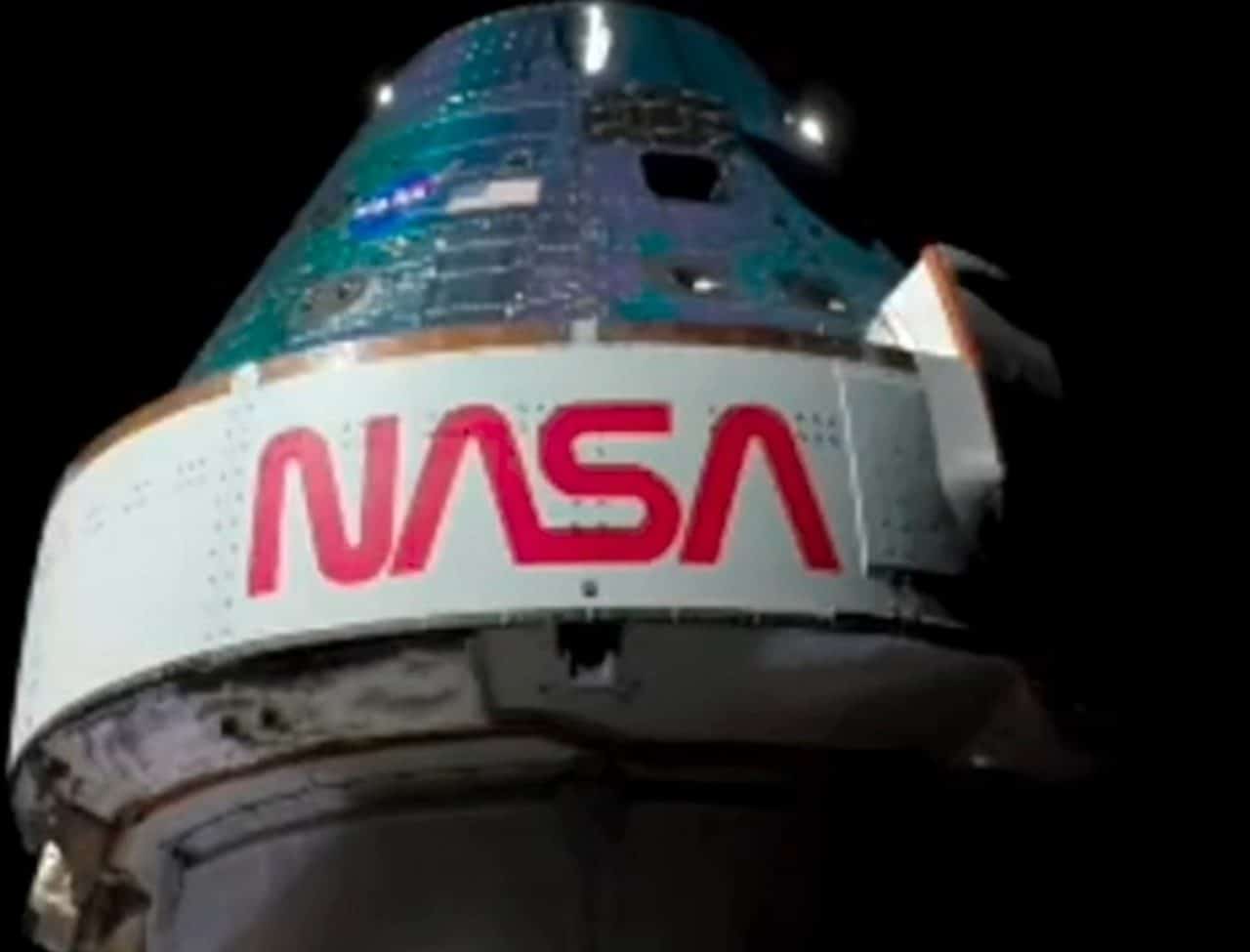
The Artemis II mission has sent videos and photos from the Orion spacecraft to the Nasa teams at Terra since the start of the trip last Wednesday. Sharing occurs hundreds of thousands of kilometers away. The spacecraft uses a laser communication system, which allows it to send material in high resolution.
Esse advancement marks a change from previous missions, which relied solely on radio frequency. The amount of data collected has grown over the years and required more efficient solutions. The optical system on Orion represents an operational test in manned flight beyond the low orbit of Terra.
Como works laser communication
The system called Orion Artemis II Optical Communications System, or O2O, sends and receives information using infrared light. Ele includes optical transceivers on both the spacecraft and ground stations. The technology achieves transmission rates of up to 260 megabits per second, much higher than traditional radio calls.
MIT’s Desenvolvedores Lincoln Laboratory and Nasa Goddard Space Flight Center worked together on the terminal. The equipment has a telescope measuring approximately 10 centimeters and components that adjust precise pointing to keep the beam directed at the Terra even when moving. Previous Testes, such as low-orbit and deep-space demonstrations, have validated the ability to send large volumes of data with lower power consumption.
Laser communication does not completely replace the radio frequency system, which continues to be used for critical commands and voice. Instead, O2O works in parallel to transmit images, 4K videos, science data and flight procedures. Equipes on the ground receives the material and processes the information sent by the crew.
- O2O transmits data at speeds up to 100 times faster than radio frequency in some scenarios
- The system allows sending high-definition videos and photos of the lunar surface
- Componentes include optical modem, amplifiers and controller for link management
- Technology reduces required size, weight and power compared to equivalent radio systems
- Durante the mission, more than 100 gigabytes of data have already been downlinked by laser in reported tests
Vantagens in relation to past missions
Missões spacecraft for more than 50 years have relied on radio frequency to exchange information between space and Terra. Esse method works well for basic commands and telemetry data, but limits the amount of visual and scientific material that can be sent. With the increase in cameras and sensors on modern ships, the demand for bandwidth has grown.
Optical communication solves part of this challenge by focusing energy into narrow beams. Isso reduces interference and allows higher rates without increasing antenna size. Na Artemis II, the crew captures images of Lua and Terra with the 32 cameras available on Orion. Parte of this content reaches Terra with superior quality thanks to the laser.
Especialistas highlight that the system also consumes less spacecraft power. Essa efficiency is important on long trips where energy needs to be managed carefully. The test on Artemis II serves to evaluate performance in a real manned flight environment, with the spacecraft on a trajectory around Lua.

Detalhes O2O system technicians
The optical terminal was integrated into the Orion crew module adapter. Ele operates in conjunction with Nasa’s space communication networks, including Near Space Network and Deep Space Network. Quando activated, the system directs the laser to receivers on the ground, which convert the light signal back into digital data.
Previous Desenvolvimentos, like 2013’s Lunar Laser Communication Demonstration and Deep Space Optical Communications on another mission, paved the way. O2O incorporates lessons from these projects and uses modular architecture tested on Estação Espacial Internacional. Nasa plans to use experiences from this mission to improve communications on future trips, including towards Marte.
The crew does not rely solely on the laser for daily operations. The main radio system ensures redundancy and security. Ainda thus, the success in sending videos and photos demonstrates the potential of technology to enrich the material shared with the public and scientists.
Impacto for future exploration
The ability to transmit large volumes of data more quickly opens up possibilities for missions with more scientific instruments. Imagens and high-resolution videos help teams on the ground analyze the lunar environment in closer to real time. Isso also improves the experience of public monitoring of space travel.
The test on Artemis II takes place while the spacecraft follows its planned route of about ten days. The crew includes astronauts from Nasa and the Canadian Space Agency. Eles carry out scheduled activities and document the flight with the resources available on board.
Equipes’s Nasa continues to monitor O2O performance throughout the mission. Dados collected will be used for adjustments to similar systems for subsequent flights. Laser communication represents a step in the evolution of links between Terra and deep space.
Recepção of data in Terra
Ground Estações receives the signals sent by Orion and processes the information. Vídeos and photos arrive with greater clarity than would be possible with radio frequency alone at lunar distances. Nasa shares some of this material as the mission progresses, allowing the public to see records of the journey.
The optical system demonstrates robustness even with spacecraft movement and variations in relative position in relation to Terra. Automatic Ajustes maintain laser beam alignment. Esse technical aspect was one of the focuses of the tests carried out before launch.
The Artemis II mission marks the return of astronauts around Lua after decades. The inclusion of the laser system adds a layer of technological innovation to the test flight. Preliminary Resultados indicate that data transmission occurred as planned at various points during the trip.





