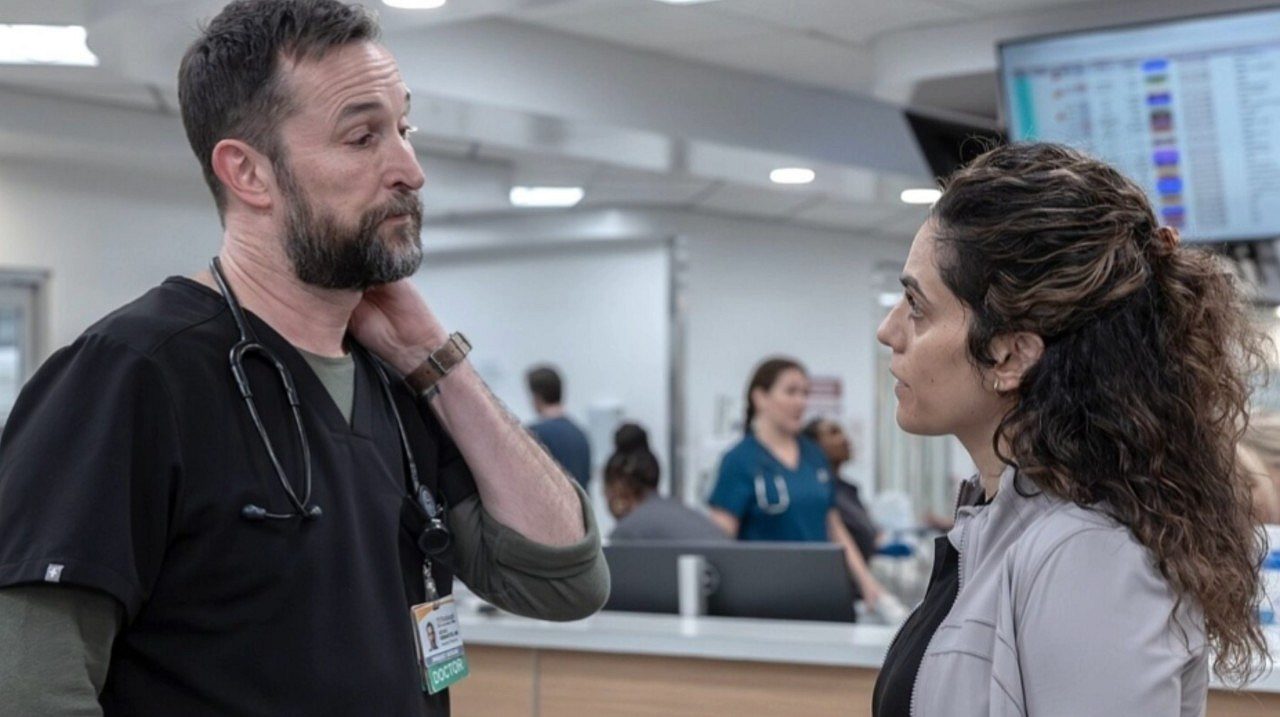
The uninterrupted sound of heart monitors and the frantic coming and going of stretchers through the corridors dictate the rhythm of one of the longest nights of the year. The emergency room of a large trauma center operates at the limit of human capacity as fireworks light up the sky outside.
The HBO Max streaming platform airs this Thursday the fifteenth and final chapter of the second season of the praised production The Pitt. The hospital drama focuses the spotlight on the physical and mental exhaustion of Pittsburgh Trauma Medical Center’s healthcare workers during Estados Unidos’s busy Fourth of July holiday. The commemorative date of American independence serves as a catalyst for serious accidents and overcrowding in intensive care wards. Fast Decisões saves lives. The public follows the outcome of a cycle marked by constant tension and increasingly scarce resources in the unit.
Real-time Dinâmica raises tension in emergency room
The narrative structure chosen by the creators of the television work deviates from the traditional format of isolated medical cases per week. The camera follows the unfolding of events almost uninterruptedly, recording the clock’s progress hour by hour throughout a single day on duty. Essa aesthetic choice brings the spectator’s experience closer to the adrenaline felt by those working on the front lines of immediate relief. The constant time pressure recalls the urgency of action classics, but applied to the clinical environment where every minute lost results in irreversible consequences. The screenwriters explore the characters’ progressive exhaustion as the night progresses. Fatigue affects the team’s clinical judgment. Erros communication systems begin to emerge in moments of greatest vulnerability among medical staff.
Além from the race against time, the production sheds light on the structural problems that plague the contemporary healthcare system. The lack of available beds in the intensive care unit forces duty managers to improvise spaces in the hospital corridors. Essential Equipamentoss present mechanical failures at the exact moment polytraumatized patients enter the double doors of the ambulance. Tension dominates the environment. An anguished Familiares demands immediate responses from residents, generating verbal conflicts that require intervention from the building’s security. Health plan bureaucracy restricts the administration of high-cost treatments. Professionals must work around strict administrative rules to ensure the survival of individuals in their care. The script does not hide the daily frustration of those who have sworn to protect human life above any financial interest. The internal politics of the medical center often clash with the professional ethics required by the medical board. The end result delivers a raw, unfiltered portrait of modern medicine.
Veteran Protagonismo anchors the hospital’s parallel plots
The dramatic weight of the attraction falls on the shoulders of a face widely familiar to enthusiasts of the hospital genre. Actor Noah Wyle takes on the role of Doctor Michael Robinavitch, affectionately called Doctor Robby by his co-workers. The character acts as the director responsible for coordinating the entire flow of patients in the Pittsburgh Trauma Medical Center emergency room. The artist’s casting brings an inevitable nostalgic baggage, considering his remarkable history as the young John Carter in the fifteen seasons of the television phenomenon Plantão Médico. Sua’s presence on stage conveys the necessary authority for a leader who needs to remain calm while the world around him seems to be falling apart. The protagonist’s previous experience with medical jargon and cardiopulmonary resuscitation choreography lends extreme naturalness to the technical procedures shown on screen.
Doctor Robby bears deep emotional scars from years dedicated to rescuing victims of violent accidents. The veteran doctor’s leadership is severely tested when the volume of injured people exceeds the physical capacity of the team on duty. Ele needs to balance human compassion with the analytical coldness required to triage who will receive priority care in the operating room.
Supportive Elenco diversifies conflicts in clinical corridors
The richness of the narrative depends directly on the web of relationships built between the secondary characters who inhabit the different wings of the building. The clinical staff brings together professionals at different stages of their careers, from inexperienced residents to renowned surgeons with inflated egos. Interactions in locker rooms and break rooms reveal the weaknesses hidden behind the impeccable white coats. Romances banned, disputes over promotions and moral dilemmas intertwine from one emergency to another. The diversity of the cast allows for the exploration of multiple perspectives on the practice of medicine in an American industrial metropolis. The script distributes screen time evenly to ensure the individual development of each team member.
The production selected talents from different aspects of the entertainment industry to make up the staff of the fictional hospital. The hallways of the trauma center come to life through the performances of a very eclectic group of artists.
- Fiona Dourif delivers an intense performance after his work in investigative productions.
- Taylor Dearden brings the experience accumulated in space science fiction plots.
- Isa Briones adds freshness to the young cast of the resident team.
- Gerran Howell plays a foreign professional dealing with culture shock.
- Shabana Azeez represents the new generation of trauma nurses.
- Patrick Ball embodies the strictness of hospital security protocols.
- Supriya Ganesh and Katherine LaNasa complete the team with dramatic arcs focused on administration.
The chemistry established between the actors transforms the work environment into a microcosm of contemporary society. Ideological differences often generate friction during discussions about the best treatment methods for complex cases. The script uses these interpersonal conflicts to illustrate how extreme pressure affects human behavior. Group unity only happens when a critical patient requires the perfect collaboration of all medical specialties simultaneously. The chemistry of the supporting cast supports the credibility of the fictional universe created by the executive producers.
Encerramento of the cycle consolidates the legacy of medical productions
The long-awaited conclusion of the second season arrives in the streaming service’s catalog promptly at twenty-two hours on Brasília on April 16th. The date marks the temporary end of an intense journey behind the scenes of public and private health. Fans speculate on social media about the fate of the main characters after the cliffhangers left in the penultimate episode. The HBO Max platform keeps details of the final script under strict confidentiality to prevent leaks that ruin the audience’s experience. Obras focused on hospital routines have a unique ability to capture the audience’s attention through the inherent fragility of the human condition. The constant proximity to death forces the protagonists to reevaluate their own life choices. The Pitt manages to honor the tradition of its television predecessors while updating ethical discussions to the setting of the year 2026. The technical quality of the art direction and special effects makeup raises the visual standard of the surgery scenes. Medical drama reaffirms its strength as one of the most resilient and popular genres in the history of audiovisual entertainment.