Sixth generation of Toyota’s sports utility vehicle hits the market only with hybrid powertrain


The Japanese automaker officially presented the sixth generation of its best-selling sports utility vehicle in the world. The vehicle underwent a complete structural redesign and definitively abandoned combustion-only options. The manufacturer’s global strategy focuses on maintaining leadership in the compact SUV segment. The decision sets a new standard for the company’s future launches across the planet.
The model brings significant updates to the exterior design and incorporates advanced technological packages for entertainment and safety. The first units begin to be distributed in the Asian market. Expansion to Américas and other continents is scheduled for the coming months. Camouflaged Protótipos are already traveling on South American highways for calibration and climate adaptation tests before their official debut in the region.
Identidade renewed look and aerodynamic enhancement
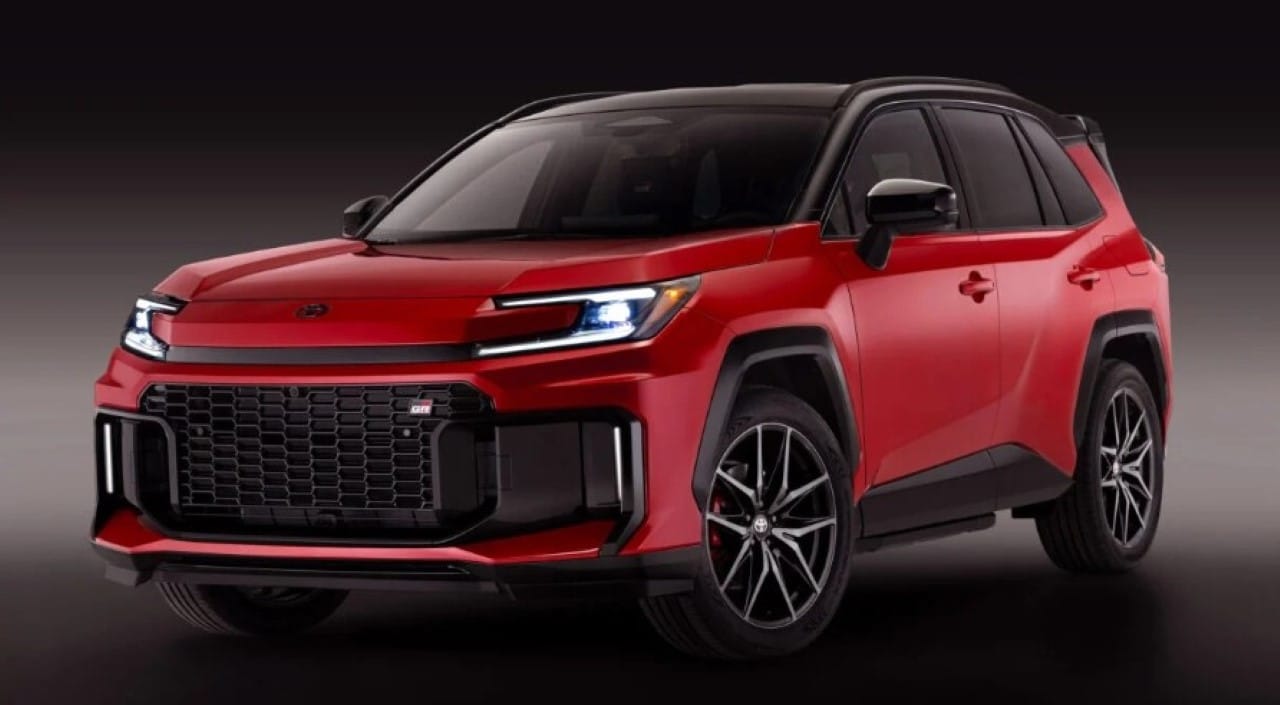
The exterior design of the car adopts the stylistic language known as the hammer shape. The front features aggressive lines and tapered LED headlights. The optical assembly integrates perfectly with the radiator grille, which is now embedded directly into the front bumper. Essa change gives the vehicle an imposing stance on the streets. The new configuration replaces the rustic look of the previous generation with fluid, modern contours.
The manufacturer softened the sides and created discreet creases on the doors. The robust fenders house light alloy wheels with an enlarged diameter. At the rear, the lighting module receives a continuous signature that connects the headlights end to end. The aesthetic feature improves nighttime visibility for drivers following behind. The function has become a standard in recent launches in the automotive industry and contributes to the perception of the car’s greater width.
The bodywork changes underwent rigorous wind tunnel testing. The practical result of this engineering is the reduction of drag at high speeds. Optimizing the aerodynamic coefficient has a direct impact on reducing fuel consumption on highways. The shape also mitigates wind noise that invades the cabin during long journeys. Engineers sought ideal acoustic insulation to increase occupant comfort.
Desempenho mechanical assembly and energy efficiency
The standardized package for all versions combines a 2.5-liter combustion engine with high-efficiency electric drives. The basic architecture delivers a combined power of 226 horsepower. The number guarantees acceleration from zero to one hundred kilometers per hour half a second faster compared to the previous model. Continuously variable transmission intelligently manages power. The four-wheel drive system distributes torque to the rear axle via an independent electric motor.
The technology ensures maximum grip on low-friction surfaces, such as wet asphalt or dirt roads. Para select markets, the automaker offers a variant equipped with a higher capacity lithium-ion battery. The configuration allows the vehicle to travel more than 100 kilometers using only electrical energy. The range perfectly suits daily urban commutes without emission of polluting gases through the exhaust.
Recharging takes place at conventional residential sockets or at public fast charging stations. Preliminary Testes indicate an improvement of up to 15% in fuel economy in urban cycles. The brand consolidates the project’s sustainable mobility proposal without sacrificing autonomy on long trips. The driver gains full flexibility to plan extensive routes without relying exclusively on electrical charging infrastructure.
Internal Tecnologia and adaptation for the South American market
The cabin has been completely redesigned to accommodate a new floating multimedia center. The screen reaches 14 inches in higher versions. The native operating system supports remote updates over the internet. Integration with mobile devices occurs without the use of cables. The digital instrument cluster offers multiple display customization options. The driver can focus on route data, engine power flow or driving assistance alerts.
The interior space has grown slightly due to the intelligent repositioning of electrical components. The change favors the comfort of passengers in the rear seats and increases the volumetric capacity of the trunk. The assembly line provides different finishing configurations and equipment to meet different consumer profiles. Key assembly guidelines include:
- Foco in energy efficiency with smaller diameter wheels and durable fabrics in the entry-level version.
- Suspensão with specific calibration and reinforced roof rack in the adventurous variant.
- Teto panoramic solar and sound system signed by luxury brand in the top package.
The presence of prototypes on South American highways confirms the advanced stage of tropicalization of the vehicle. The local engineering team works on adjusting the suspension to deal with the region’s characteristic uneven pavement. The aim is to find the ideal balance between driving comfort and directional stability. The development of the project also includes adapting the combustion engine to operate with the fuel mixture available at local stations. The flexible hybrid version will consume ethanol in any proportion.
Sistemas security and commercial positioning
The active and passive safety package features long-range radar sensors and high-resolution cameras. The autonomous emergency braking system has improved ability to detect pedestrians, cyclists and motorcyclists at intersections. The technology works even under low light conditions or heavy rain. Adaptive cruise control works in conjunction with lane keeping assist. The on-board computer makes fine corrections to the steering wheel to keep the car centered on the track.
Câmeras with 360-degree vision and ultrasonic sensors make it easier to maneuver in tight spaces. Múltiplos airbags protect all occupants in the event of a side or frontal collision. The chassis structure absorbs impact energy and preserves the integrity of the passenger cabin. The automaker prioritized rubberized surfaces and high-quality synthetic coatings in the interior finish. Care with materials elevates the feeling of refinement on board.
Starting prices in the North American market start at US$31,900. The value reflects the repositioning of the brand after the addition of the new standard technology package. The sports utility vehicle will face strong competition from rivals of Asian and European origin. The dealership network began technical preparation and intensive training of after-sales teams. Mechanics receive specific tools to deal with the car’s new electronic architecture and guarantee excellent service to future owners.