
British broadcaster Andy Kershaw, historic voice of the BBC and Live Aid, dies aged 66

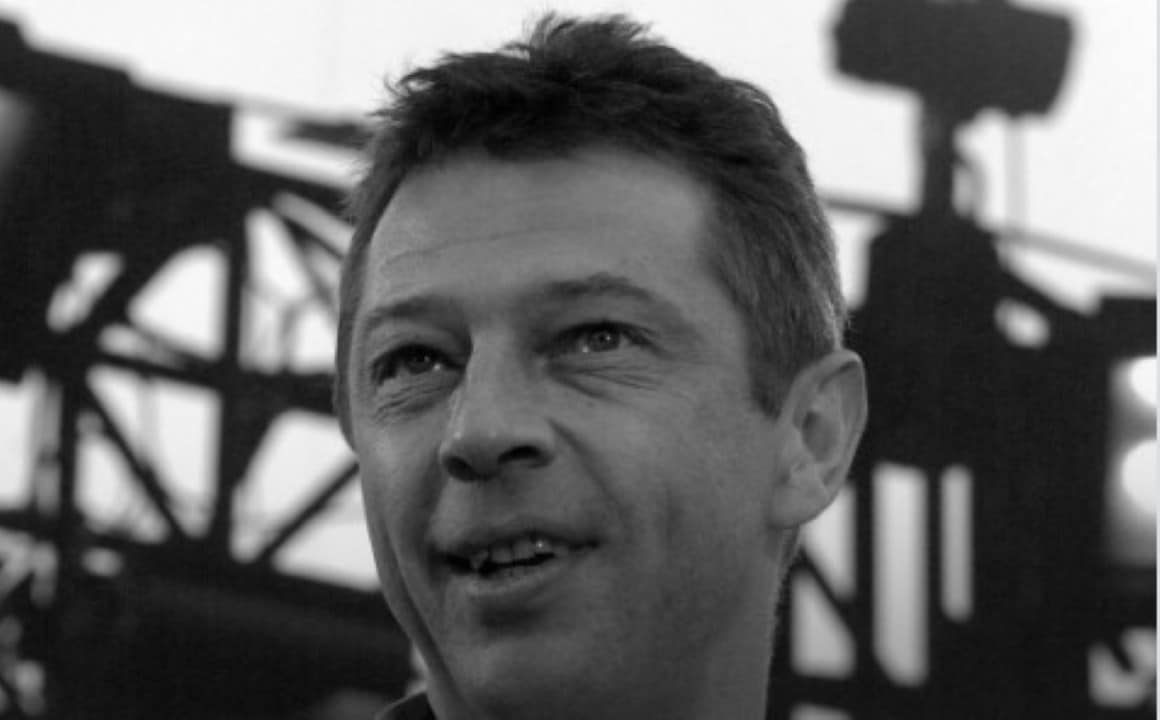
British radio host Andy Kershaw, a notable figure in communication at Reino Unido and a well-known face for presenting the Live Aid festival, has passed away at the age of 66. Confirmation of death occurred on Thursday night, around 7:30 pm British Summer Time, according to information released by family members. The communicator had been fighting severe cancer since the beginning of the year. The disease compromised his mobility in the last months of his life. Profissionais from the press and longtime listeners expressed their grief on social media shortly after the official announcement.
The initial diagnosis was made public in January. The tumor reached the presenter’s spinal region. The medical condition prevented him from walking during cancer treatment. Ele underwent intensive chemotherapy and radiotherapy sessions. A physical therapy routine also integrated palliative care in an attempt to preserve their quality of life and reduce chronic pain caused by the progression of the disease.
Former Radio 1 DJ and Live Aid presenter Andy Kershaw dies aged 66 https://t.co/9VdpFmTfb2
— BBC Breaking News (@BBCBreaking) April 17, 2026
Primeiros steps in communication and rise on television
Natural from the city of Rochdale, the communicator was born in 1959. His interest in the musical universe shaped his professional choices since his youth. His career in the media officially began in the early 1980s. Ele joined the team at Radio Aire, a local broadcaster based in the city of Leeds. The performance on regional radio quickly caught the attention of executives at larger networks.
The transition to the British public network took place in 1984. The BBC hired him to lead the traditional rock program The Old Grey Whistle Test. The television attraction had great prestige among artists of the time. The format required in-depth knowledge of the contemporary music scene. His ease in front of the cameras guaranteed his space in major broadcasts the following year.
The milestone of his television career occurred in 1985. The network chose him to join the Live Aid coverage team. The global event brought together the biggest names in music in an anti-hunger fundraising effort at Etiópia. Participation in the live broadcast projected his name internationally. Milhões of spectators followed the interviews and introductions made by the young presenter during the historic shows.
Consolidação on the radio and breaking musical barriers
Success on television opened the door for a triumphant return to radio. Ele joined the BBC Radio 1 schedule in the summer of 1985. The broadcaster represented the main channel for broadcasting pop culture in the country. The initial contract turned into an uninterrupted fifteen-year partnership. The nighttime schedule allowed editorial freedom unusual for commercial standards at the time.
The eclectic musical taste defined the identity of his broadcasts. The radio host ignored the traditional charts. Ele prioritized the promotion of independent artists and sounds from different parts of the planet. The innovative approach attracted a loyal audience eager for new things. Muitos critics and listeners considered him the natural successor to the legendary broadcaster John Peel. His passion for radio also involved his family, as his sister Liz Kershaw worked at the same station between 1987 and 1992.
The cycle at Radio 1 came to an end in 2000. The station’s management promoted a drastic reformulation of the programming. The weekly nighttime program ended up being canceled during the restructuring process. The last few months on air have featured notable guests. Nomes, known as Willie Nelson and Lou Reed, participated in the final editions. The station’s departure marked the end of an era in world music broadcasting on Reino Unido.
Jornalismo fieldwork and documentaries in conflict zones
The dismissal did not interrupt his work in the public network. The professional migrated to Radio 4 and took on the role of special reporter. The new phase required courage and adaptation to hostile scenarios. Ele began traveling to areas marked by political instability and extreme violence. The objective was to document the local reality through a cultural and human perspective, combining musical sensitivity with the urgency of covering humanitarian crises.
- Cobertura in situ of the developments of the genocide in Ruanda in 1994.
- Reportagens details the impacts of the civil war on Serra Leoa in 2001.
- Expedições sound recordings to record musical culture in Iraque and Irã.
- New Viagem to document everyday life and art in Norte’s Coreia.
- Frequent Participações with international analyzes in the Today program of Radio 4.
The work philosophy followed the teachings of his mentor John Walters. The radio presenter defended the thesis that the communicator must offer the public content that the listeners themselves do not know they want. Essa’s vision guided the production of documentaries that blended geopolitics and ethnomusicology. His courage to expose raw realities cemented his reputation as a versatile and fearless investigative journalist.
Obstáculos personal, return to microphones and last months
His professional trajectory suffered an abrupt interruption at the turn of the decade. Problemas personally removed the communicator from the microphones for a long period. British justice sentenced him to three months in prison in 2008. The sentence resulted from violating a previously imposed restraining order. Ele also received a six-month suspended sentence for the same reason shortly afterwards.
His definitive return to radio only occurred in 2011. Radio 3 invited him to present the documentary series Music Planet. The project was in partnership with researcher Lucy Duran. The duo traveled to isolated locations in search of rare musical recordings. The same year marked the release of his official autobiography. The book, titled No Off Switch, detailed the highs and lows of his public and private life without filters.
The discovery of cancer drastically changed his recent routine. The loss of the ability to move around represented a severe blow for a man accustomed to crossing the globe. Amigos nearby organized a support network to assist with daily care. Apesar of the severity of the clinical condition, the communicator chose to face the disease with irony. The statement released in January surprised the public with its humorous tone.
Ele categorically stated that he was determined not to predecease certain public figures of whom he disapproved. Production of his independent podcast continued as long as his health permitted. Recording episodes served as an escape valve during treatment. The family has not released information about the location of the wake or the funeral arrangements so far.





