
Google’s new smart bracelet eliminates the need for a display and focuses on continuous health monitoring

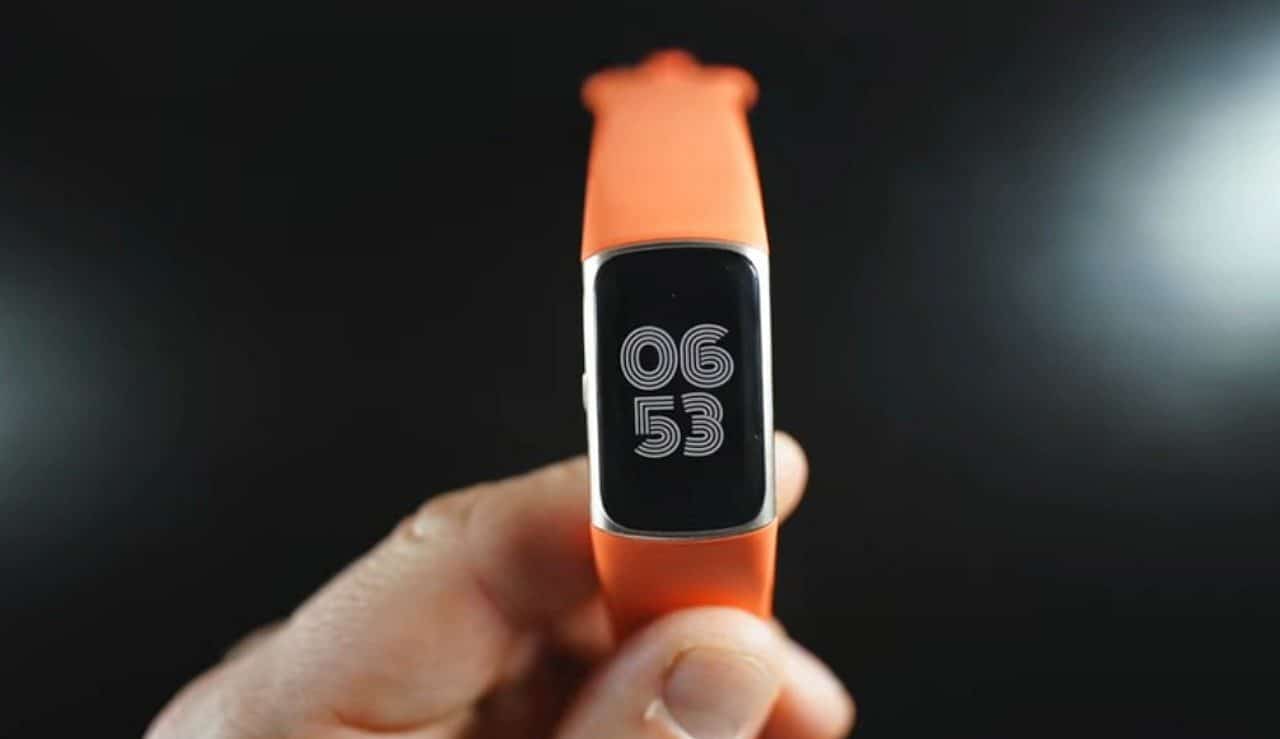
Technology giant Google is preparing to introduce a new device aimed at physical well-being. The equipment is given the commercial name Fitbit Air and adopts a bracelet format completely devoid of a display. The central proposal involves passive monitoring of body metrics throughout the day, without visual interruptions. Imagens previews of the accessory have already circulated in campaigns with high-performance professional athletes. The official launch on the global market should take place in the first half of May 2026.
The model appears as a direct response to consolidated products in the continuous tracking segment. The absence of a backlit screen transfers all data interaction to the app on the user’s smartphone. Essa engineering choice reduces the weight of the device and extends battery life significantly. The company also plans a complete restructuring of its health subscription services along with the arrival of new hardware in stores.

Minimalist Construção prioritizes comfort during sleep
The concept behind the new accessory is based on technological invisibility in everyday use. The user straps the device to their wrist and forgets about the presence of the equipment while carrying out their routine tasks. The main sensor occupies an extremely small area at the base of the bracelet. An adjustable fabric band replaces traditional thick silicone straps. Esse lightweight material prevents sweat accumulation and minimizes skin irritation during sports.
The manufacturer developed different aesthetic options for the initial launch of the product. Consumers will find the tracker in tones cataloged as Obsidian, Lavender and Berry. The neutral and soft color palette reinforces the idea of a discreet clothing item. Detalhes in gray and orange appear in some versions recently leaked on the internet. The customization of the bands allows the accessory to be adapted to different corporate environments or gyms.
Screenless Dispositivos represent a growing trend in today’s wearable technology market. The shape eliminates constant notifications and distracting lights on your wrist. The device collects vital data in the background uninterruptedly and silently. The processing of this information takes place later on the company’s servers. The user consults the performance graphs only when they decide to open the dedicated application on their cell phone.
Commercial Estratégia separates device cost and digital services
Informações behind the scenes points to May 16, 2026 as the likely date for the start of sales. The internal schedule foresees detailed announcements in the weeks leading up to the brand’s main event. The suggested retail price for North American retail is below the US$100 mark. Esse value places the tracker in a very aggressive cost range for the end consumer. Direct Concorrentes usually charge considerably more for the initial hardware.
The company’s pricing policy divides the consumer experience into two distinct stages. The customer purchases the physical device for an affordable price at the first purchase. Access to in-depth health analytics requires payment of a recurring monthly fee. The business model mirrors practices already established by other brands in the high-performance sports sector.
The tracker’s new features package includes specific features for this niche market:
- Rastreamento continuous heart rate and variability throughout the day.
- Análise deep sleep stages and muscle recovery measurement.
- Long-lasting Bateria made possible by the absence of a light panel.
- Sincronização automatic data via low consumption wireless connection.
Energy autonomy represents one of the biggest attractions of the displayless format. Traditional smart Relógios require recharges daily or every two days of heavy use. The new passive tracker can operate for long periods away from the power outlet. Collecting data on the quality of night’s rest becomes more accurate when the user does not need to take off the device to charge it during the night.
Branded Reestruturação Unifies Wellness Platforms
The launch of the hardware coincides with a profound change in the nomenclature of the company’s digital services. The traditional Fitbit Premium program will be definitively renamed Google Health. The change consolidates the integration of the acquired brand into the search giant’s main ecosystem. The strategic move seeks to simplify the understanding of the portfolio for new consumers looking for health solutions.
Artificial intelligence gains absolute protagonism in the new phase of the mobile application. The virtual assistant in the public testing phase will be named Google Health Coach. The system uses advanced algorithms to interpret the raw data collected by the fabric bracelet. The digital trainer answers complex fitness questions in real time. Exercise recommendations are dynamically adjusted based on the level of fatigue detected by biometric sensors.
Basic step counting and activity tracking functions remain free for all buyers. Subscriber-only features involve personalized training plans and detailed reports on long-term health trends. The brand transition reflects a corporate effort to create a unique and strong identity in the global medical and sports segment.
Fierce Competição defines the future of passive trackers
The market for devices focused on physical recovery is attracting more and more attention from amateur and professional athletes. The Whoop brand currently dominates this specific category with its all-inclusive subscription model and focus on stress data. The entry of a corporation the size of Google immediately changes the sector’s competitive dynamics. Outras Traditional sports watch manufacturers such as Garmin are also preparing similar products for the coming months of 2026.
The competitive advantage of the new tracker lies in the installed user base of the Android mobile system. Native integration with the Pixel line of smartphones makes initial setup and daily data synchronization easy. Consumers who already use the company’s services will find a familiar environment in the new health application. The simplicity of use attracts an audience averse to the complexity of smart watches full of third-party applications.
The evolution of the product line demonstrates a change in focus after the long period of corporate transition. Engineering turns its attention to equipment dedicated exclusively to precise body monitoring. The minimalist design meets a demand for less invasive technology in people’s daily lives. The commercial success of the accessory will depend on the accuracy of the sensors and the quality of the analyzes generated by the artificial intelligence embedded in the system.





