

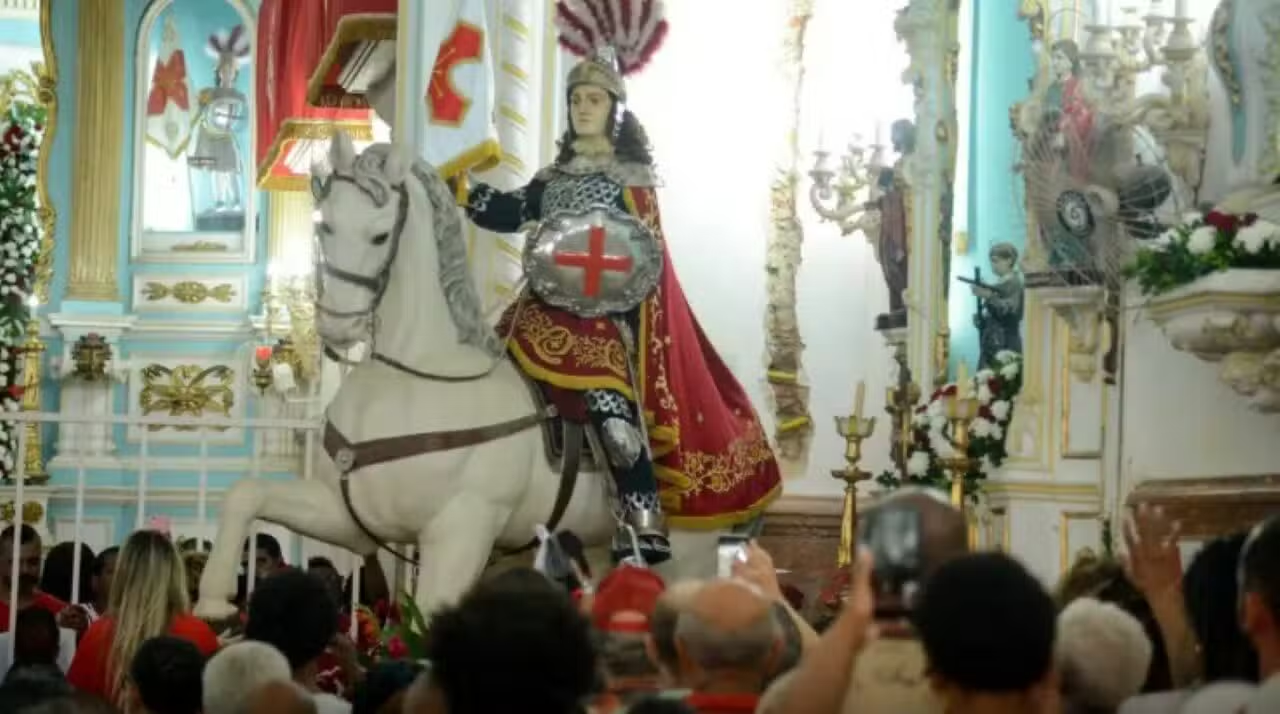
Dia of São Jorge is celebrated this Thursday, April 23rd. The date honors the patron saint of Inglaterra and brings together displays of the national flag with the red cross on a white background. Igrejas Christians observe the occasion in several countries.
The historical figure of São Jorge refers to a Roman soldier from the 4th century. Poucos concrete details about his life stand the test of time. The legend of the dragon emerged centuries later and spread throughout Europa. The cult of the saint gained strength with the crusaders and was consolidated in nations such as Inglaterra, Portugal and Geórgia.
Soldado Roman refused orders from emperor Diocleciano
São Jorge was born around 280 AD in Capadócia, a region that today makes up Turquia. Ele came from a Christian family. Ainda young, he joined the Roman army and achieved the position of officer. Fontes Historical records indicate that he served in the retinue of Emperor Diocleciano.
In 303 AD, Diocleciano issued an edict of persecution of Christians. The decree required soldiers to renounce their faith or be expelled. Jorge has publicly declared himself a Christian. Ele refused offers of wealth and land. The emperor ordered torture. The soldier maintained his position. Foi beheaded on April 23, 303, according to tradition, in Lida, in the current Palestina.
The martyrdom occurred during one of the last great waves of Roman repression of Christianity. The place of execution, today Lod in Israel, houses a basilica dedicated to the saint. Relíquias associated with him has attracted devotees for centuries. Poucos official records survive. Veneration began soon after death.
- The saint was listed among martyrs in the canon of Pope Gelásio in 496 AD.
- Cruzados brought stories from Igreja Ortodoxa to Europa in the 10th and 11th centuries.
- Eduardo III of Inglaterra named him official patron saint in the 14th century.
- São Jorge’s cross has been part of the English flag since then.
Lenda of the dragon appeared in medieval accounts
The most famous story features São Jorge facing a dragon. The monster terrorized a city in Líbia, according to the classic version. Habitantes offered sheep to placate him. Quando the sheep ran out, a lottery chose human victims. The king’s daughter was drawn.
The knight passed by the place. Ele faced the dragon on horseback. Venceu the creature with the spear. The people converted to Christianity. The narrative symbolizes the victory of good over evil. Ela appeared in Idade Média texts, as Legenda Áurea. The report does not integrate the proven historical facts about the Roman soldier.
Artistas Renaissance artists painted the scene. Paolo Uccello and others created famous works. The image of the knight with white armor and a red cape became popular. Ela inspired chivalric orders and national symbols.
Rei Eduardo III made the saint official at Inglaterra
The cult of São Jorge reached Inglaterra in the 8th century. Monges as well as Beda mentioned it. The Normans reinforced the devotion after 1066. Ricardo Coração from Leão adopted the saint during Cruzadas. Ele has summoned him in battles.
Eduardo III founded Ordem from Jarreteira in 1348. The king chose São Jorge as his patron saint. The choice projected values of courage and loyalty. April 23rd has become an important holiday. In the 15th century, after the victory in Agincourt, the party gained even more importance. Henrique V equated it with big celebrations.
Hoje, Inglaterra displays the São Jorge flag in public buildings. Paradas and cultural events mark the day. The saint is also the patron saint of other places. Portugal, Geórgia, Etiópia, Lituânia and Sérvia worship him. Cidades like Londres, Barcelona and Beirute maintain ancient devotion.
Current Tradições mix faith and folklore
Comemorações include masses and processions. Na Inglaterra, pubs serve themed dishes. Famílias hoist the red cross. No Brasil, Rio of Janeiro treats São Jorge as state patron saint. Festejos occur with cultural syncretism.
The April 23rd date coincides with Dia Mundial of Livro in some countries. Shakespeare was born and died on that date. Coincidence enriches the cultural calendar. Escolas English women tell the legend to children. Historiadores highlight the real context of martyrdom.
The saint represents ideals of protection. Militares, scouts and farmers call upon him. Igreja Católica includes him among the 14 auxiliary saints. Veneration persists in Orthodox and Anglican churches.
Bandeira of the red cross symbolizes national identity
The cross of São Jorge forms the bottom of Union Jack. Ela appears on uniforms and emblems. The symbol transcended the religious aspect. Ele marks an English identity at sporting events and parties.
Pesquisas indicate that the cult spread along the Cruzadas route. Relatos’s visions of the saint in battle increased his fame. The dragon, in turn, can represent paganism or Diocleciano itself in ancient allegories.
Historiadores as Michael Carter of English Heritage recalls that exact details of Jorge’s life remain scarce. What is important is the legacy of faith and courage associated with him. The celebration of April 23 keeps this memory alive in different cultures.