
Discovery of mummified fossil in the United States explains evolution of terrestrial respiration

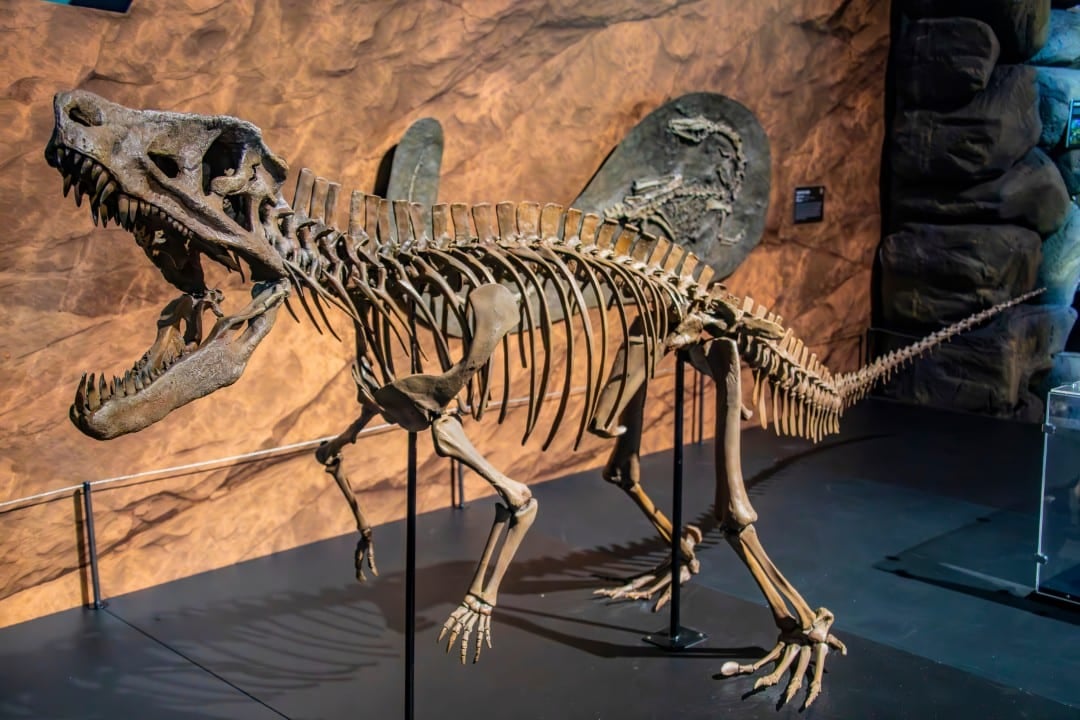
A mummified reptile fossil found in a cave in Estados Unidos has provided unprecedented details about the evolution of respiration in land animals. The specimen belongs to the species Captorhinus agouti. The creature lived approximately 289 million years ago, during the beginning of the Permiano period, a time marked by the formation of the Pangeia supercontinent and increasingly dry climates. Pesquisadores analyzed the exceptional state of conservation of the material. The animal has three-dimensional skin, calcified cartilage and traces of original proteins intact.
The find allowed the complete reconstruction of the respiratory system of small lizard-like reptiles. Essa anatomical structure represents the oldest known example of rib-supported breathing. The mechanism encompasses the group of amniotes, which includes reptiles, birds, mammals and their common ancestors. The discovery changes science’s understanding of the definitive transition from aquatic life to the terrestrial environment.
Condições rare preservation in American cave
The paleontological material was recovered in the Richards Spur cave system, located in the state of Oklahoma. The archaeological and paleontological site is widely recognized for the diversity of land vertebrates in Paleozoico Superior. The geological conditions of the site created a perfect environment for natural mummification. The space contained hydrocarbons derived from petroleum emissions, hypermineralized water and fine clay sediments. The chemical combination prevented the body from decomposing quickly.
Esses Environmental factors have protected the creature’s bones and preserved its soft tissues over millions of years. One of the recovered specimens appeared in a very specific death position. The animal had one of its arms folded under its body. Three-dimensional preservation ensured that the reptile’s original form did not suffer the extreme flattening common in traditional fossils found in sedimentary rocks.
The physical integrity of the material opened the door for in-depth laboratory analysis. Scientists were able to probe the inner layers of the fossil without causing any damage to the outer structure. The level of detail impressed the international scientific community. The rock acted as a perfect time capsule for the biology of the Permiano period.
Advanced Tecnologia reveals internal anatomy
Especialistas utilized neutron computed tomography in a high-tech facility at Austrália. High-resolution examinations mapped the interior of the rock matrix and the fossil. Neutron tomography can separate materials based on their atomic properties. The images revealed fine, delicate structures surrounding the fossilized bones.
Captorhinus agouti’s skin displayed a very peculiar scaly texture. The surface had concentric bands. Esse visual pattern is quite similar to that found in some modern burrowing lizards. Histology complemented the imaging data with precise cellular information about the formation of the animal’s epidermis.
Skeletal reconstructions showed the exact relationship between the reptile’s rib cage and shoulder. Essas joint connections are central to understanding the respiratory and locomotor aspects of the species. Researchers have observed these anatomical relationships clearly in a primitive reptile for the first time in the history of paleontology.
The unique mechanism of costal breathing
The detailed study involved joint analysis of three different specimens of Captorhinus agouti. Scientists identified the fragmented cartilaginous sternum, sternum ribs and shoulder girdle joints. Biomechanical analysis demonstrated breathing by costal aspiration. Nesse biological process, the muscles located between the ribs expand and compress the thoracic cavity. Mechanical movement transports air directly to the lungs.
Esse mechanism differs drastically from the system used by amphibians. Frogs and salamanders rely primarily on mouth movements and breathing through moist skin, which restricts them to habitats near bodies of water. Costal breathing ensures a much more efficient flow of air to the body. The system supports higher levels of daily physical activity in arid environments.
Efficiency occurs through the rapid absorption of oxygen and the effective elimination of carbon dioxide. The system found in the fossil suggests an ancestral condition of rib-supported breathing. Essa The same physiological basis is seen in modern-day reptiles, birds and mammals. Evolutionary innovation allowed animals to run and hunt for longer periods without immediate exhaustion.
Biological Vestígios and impact on the study of species
Além of intact respiratory anatomy, the fossil harbored original protein residues. Essas biological molecules are nearly 100 million years older than previous fossil records. Chemical detection occurred using synchrotron infrared spectroscopy. The equipment emits intense light to identify the molecular signature of organic compounds trapped in the rock.
Protein traces appeared in bones, cartilage and mummified skin. The discovery expands understanding of what can survive in the fossil record through deep time. The find changes researchers’ expectations regarding ancient soft tissues.
- Pele preserved in three dimensions around the torso and neck.
- Cartilagem calcified intact in the region of the sternum and ribs.
- Vestígios of original proteins in bone and soft tissue.
- Estruturas joints that connect the rib cage to the shoulder girdle.
- Textura scaly with concentric bands visible in the fossilized epidermis.
The preservation of these components defies the traditional rules of taphonomy. The science that studies fossilization considered the maintenance of structural proteins for almost 300 million years highly unlikely. The chemical environment of Oklahoma’s cave has proven to be an extraordinary exception in nature.
The definitive conquest of the terrestrial environment
The Captorhinus agouti lived among the first amniotes to fully explore terrestrial ecosystems. Esses Primitive reptiles varied in size, measuring from a few centimeters to a few meters in length. The species spread over a vast geographic area during the Permiano period. Terra’s climate was undergoing drastic changes at the time, requiring severe adaptations for survival.
The innovation of costal breathing represented a fundamental step in the history of life on the planet. Improved biology allowed for more active and competitive lifestyles compared to amphibians of the same era. With this advanced respiratory system, animals were able to better disperse across dry land. The independence of water for breathing generated an explosion of biological diversity on the continents.
The original fossils are stored in Museu Real of Ontário, located in the city of Toronto. Specimens will remain available for future scientific research and comparative analysis of new species. The study included the participation of teams from renowned institutions, such as Universidade, Toronto and Harvard, as well as international collaborations for image analysis. The full research was published in the scientific journal Nature in April 2026.





