
The presence of small reptiles in homes acts as a natural barrier against urban pests


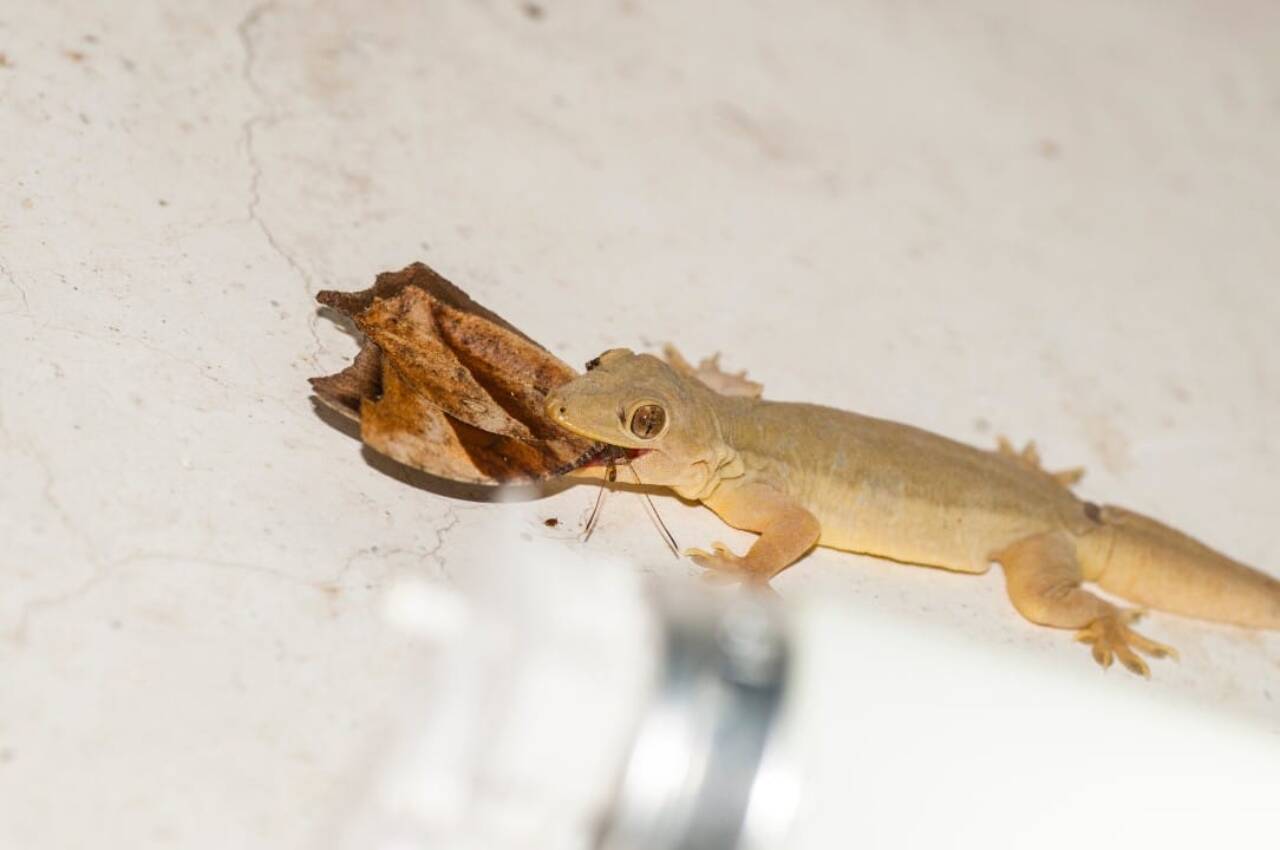
Daily coexistence with small reptiles on the walls of Brazilian homes arouses varied reactions among residents. The Hemidactylus mabouia species, popularly known as wall gecko, has consolidated its space in the national urban ecosystem. The animal originates from the African continent. The introduction of Brasil occurred centuries ago during the navigation period. Hoje, the reptile lives from apartments in large cities to houses in the interior of the country. Quarenta different species currently circulate throughout Brazilian cities. Adaptation to the hot climate facilitated this territorial expansion.
Longe from posing a threat, the animal functions as a biological cleaning agent. Biólogos point out that the presence of the reptile in rooms drastically reduces the proliferation of unwanted insects. Essa natural dynamics reduces dependence on industrialized chemical insecticides. Famílias with young children and individuals allergic to strong cleaning products find a clear advantage in this relationship. The home environment gains an extra layer of silent protection. The constant presence in the gaps and ceilings indicates a place with a stable temperature and food supply.
/Shutterstock.com
Adaptive Biologia and nighttime behavior in cities
The gecko’s anatomy explains its successful survival in masonry environments. The flat body allows access to tiny spaces behind furniture and pictures. The animal’s fingers have structures called adhesive lamellae. Essa anatomical feature ensures fast movement on extremely smooth surfaces, such as window glass and bathroom tiles. The agility impresses anyone who observes the vertical movement. Gravity seems to have no effect on the little hunter.
The night period marks the beginning of the species’ main activity. The large, adapted eyes capture the minimum amount of light available in the enclosures. Accurate night vision makes the reptile an efficient predator in the dark. Quando threatened by larger predators or during domestic accidents, the gecko uses an extreme defense mechanism called autotomy. The tail detaches from the body voluntarily. The loose fragment continues to struggle to distract the threat. The regeneration of the lost part happens naturally in a few weeks.
Impacto directly reduces disease-transmitting insects
The strictly insectivorous diet turns the reptile into an ally of public health. A single gecko can devour dozens of prey in just one night of hunting. The animal’s greatest activity time coincides exactly with the peak circulation of disease-carrying mosquitoes. Population control occurs organically and continuously. Residents often find the animals near lit lamps. The light attracts flying insects, creating a perfect hunting ground for the reptile.
- Mosquitos of several species, with emphasis on Aedes aegypti.
- Pequenas cockroaches that travel through drains and baseboards.
- Formigas winged and termites in the flight phase.
- Small Aranhas that weave webs in the corners of the ceiling.
- Pragas agriculturalists that attack winter gardens and ornamental plants.
Cultivadores of domestic plants report visible benefits from the presence of the animal. The reptile patrols the leaves and stems looking for small invaders. The attack of pests that destroy flowers decreases considerably without the application of toxic pesticides. Protection occurs without generating additional financial costs for the resident. Épocas of intense rain increases the proliferation of mosquitoes in urban areas. The silent work of geckos helps contain local outbreaks of dengue fever and other viruses transmitted by bites.
Riscos veterinarians demand attention from feline owners
The peaceful relationship with humans does not extend to pets, especially cats. Felines’ hunting instinct makes the gecko a frequent target for chases around the house. The danger does not lie in a possible attack by the reptile, but rather in its ingestion. Algumas geckos carry the Platynosomum fastosum parasite in their bodies. Transmission occurs exclusively when the cat devours the small animal. The parasite lodges in the feline’s liver and bile ducts.
The infection causes a serious disease known in veterinary medicine as platinosomosis. Symptoms include weight loss, vomiting, lethargy and a yellowish color to the cat’s mucous membranes. Treatment requires strict professional monitoring and specific medication. Veterinários recommend constant vigilance on the part of tutors. Limitar cats’ access to open balconies or backyards at night reduces the chances of capture. Installing protective screens on windows fulfills a double function. The physical barrier prevents the feline from escaping and blocks the entry of new reptiles.
Higiene basics and myths about human health
Popular folklore has created several unfounded legends about the danger of geckos to people. The reptile does not have venom glands and its mouth structure can rarely pierce human skin. Casos bites are extremely rare and only happen under forceful handling. The transmission of diseases through casual contact does not exist. However, consumption of the animal’s meat is strictly contraindicated in Brasil. A 2023 medical record documented the hospitalization of a child after ingesting improperly prepared specimens. The episode reinforces the basic rule of not using urban fauna as food.
Safe living requires only basic home cleaning protocols. The animal’s feces, generally found in corners of walls or on furniture, must be collected with paper towels. Applying a common disinfectant to the surface eliminates any risk of secondary contamination. Pay extra attention to kitchens and pantries. Direct contact of waste with exposed food must be avoided. Washing your hands with soap and water after cleaning the area ensures the health safety of the family. The risk of health problems remains statistically irrelevant when basic hygiene standards are respected.
Ecological Equilíbrio inside Brazilian homes
The perception of urban fauna is undergoing a gradual transformation in cities. The initial repulsion gives way to the understanding of the ecological role played by these adapted species. Muitos citizens have abandoned the use of brooms and lethal traps. The forced expulsion of the reptile invariably results in an immediate increase in the population of mosquitoes and cockroaches in the enclosure. The food chain operates relentlessly even within a tenth-floor apartment. The presence of the predator indicates an active local ecosystem.
Non-lethal Alternativas gains popularity among residents who prefer to keep their distance from animals. Controlling insect access through millimeter screens cuts off the gecko’s food source. Sem available prey, the reptile naturally migrates to other areas in search of sustenance. Respect for urban wildlife demonstrates a maturity in the way of inhabiting spaces. Nature finds ways to maintain its balance, using the concrete structures built by society.




