
Space agency evaluates thermal protection of the Orion capsule with unprecedented underwater images

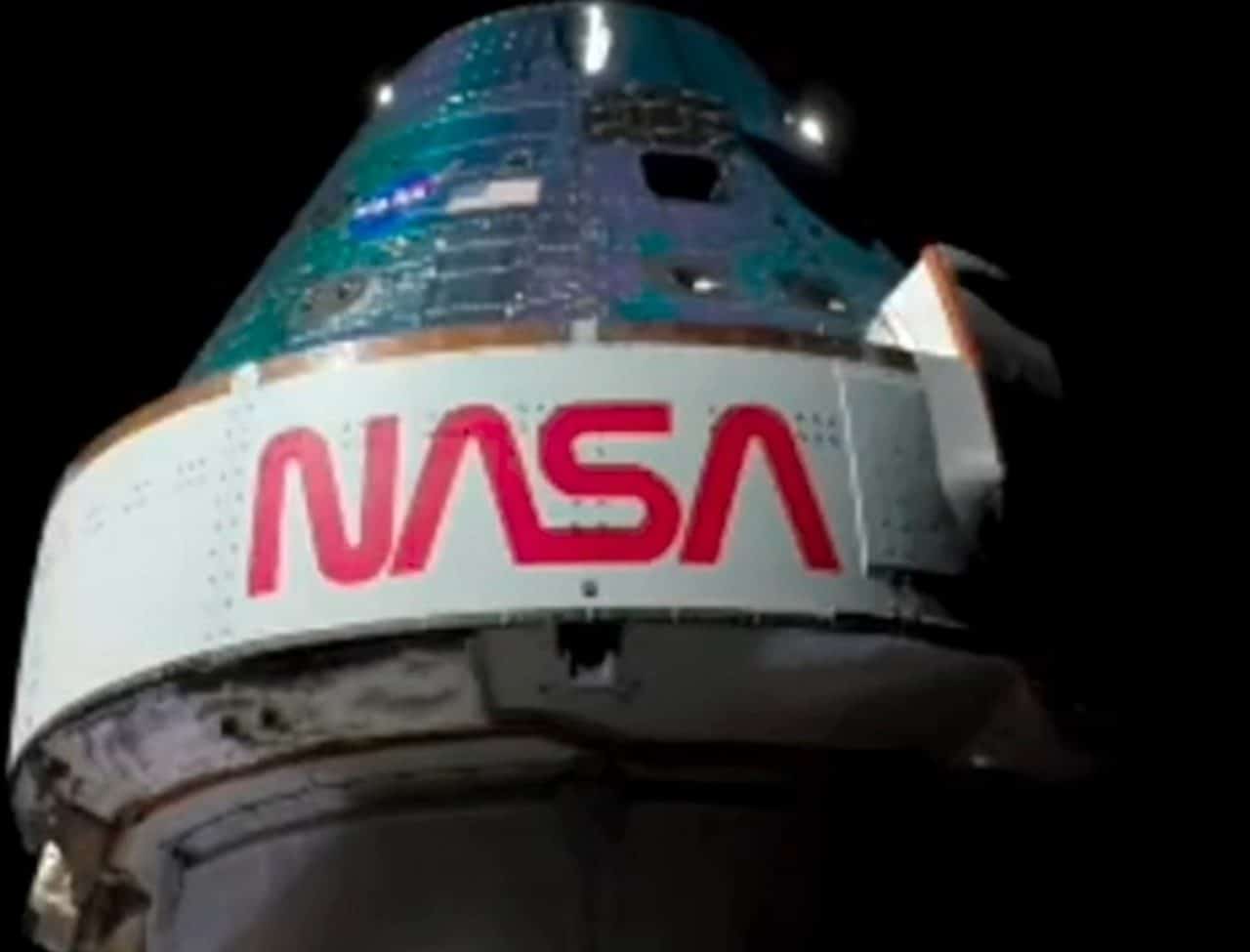
The North American space agency adopted an unprecedented visual strategy to inspect the Orion capsule shortly after the end of the Artemis 2 mission. Mergulhadores specialists from Marinha of Estados Unidos captured detailed underwater images of the command module in the first moments after Oceano Pacífico’s impact with the waters. The procedure seeks to record the exact state of the vehicle base before any physical changes caused by lifting or prolonged exposure to atmospheric oxygen.
The initiative integrates a rigorous security protocol aimed at protecting future crews that will travel towards Lua. Engenheiros aerospace companies use these rare photographs, taken from below, to analyze the behavior of materials subjected to the extreme heat of re-entry into the Earth’s atmosphere. Immediate assessment of the submerged metallic structure provides crucial answers about the integrity of the spacecraft’s vital components, ensuring design parameters function as intended.
Operação joint in the ocean guarantees unprecedented records of the spacecraft
Recovering the equipment required complex coordination between flight control teams and naval forces positioned in the landing zone. Diving professionals waited in fast boats, ready to enter the water as soon as the main parachutes touched the sea surface. Essa tactical agility allowed the lens to capture the silhouette of the capsule floating stably. Especialistas highlight that real-time observation of the lower hull represents a significant advance in spatial documentation methods.
The clarity of the water in the region chosen for landing facilitated the identification of structural details immediately after the physical and thermal shock. The vehicle returned from a journey beyond lunar orbit, reaching very high speeds that exceeded the mark of forty thousand kilometers per hour. Esse Extreme Kinetic tests the absolute limits of contemporary materials engineering. Obter a visual overview of the equipment while still in the aquatic environment preserves crucial dynamic information. Esses data would inevitably be lost or altered the moment cranes removed the heavy structure from the sea to the deck of the logistics support vessel.
Preocupação thermal wear motivates new inspection approach
The central focus of this photographic task force is the heat shield installed at the base of the crew module. Este component acts as the main survival barrier, dissipating temperatures that easily exceed the two thousand seven hundred degree Celsius mark during the violent crossing through the Earth’s atmosphere. The current intensive monitoring derives from detailed observations made in 2022, during the space program’s inaugural unmanned flight. Naquela historic occasion, the thermal protection showed a level of degradation and loss of material higher than that calculated by the mission’s mathematical models, triggering an alert in the engineering department.
Preliminary analyzes of the new images suggest that the recently implemented design modifications have yielded very positive results. Technicians actively look for any signs of uneven charring, microscopic cracks, or excessive loss of ablative material at critical points in the base. Cross-referencing these underwater photographs with aerial videos recorded by high-altitude drones creates a three-dimensional map of wear. Essa combination of extreme angles helps map the exact timeline of thermal stress experienced by the vehicle during the most frictional minutes.
Rescue Logística requires millimeter precision from support teams
The perfect execution of this visual record depends on tactical planning that does not allow for communication failures between work fronts. The window of opportunity to photograph the shield in its purest state lasts just a few minutes after impact.
- Posicionamento strategic divers in coordinates previously calculated by flight path computers.
- Utilização of very high resolution photographic equipment protected by military grade waterproof cases for great depths.
- Sincronização absolute between control room telemetry data and Marinha’s fast interception boats.
- Registro immediate ablative surface before interaction with saline air initiates surface oxidation processes.
Cada stage of this process was extensively rehearsed in training pools and open sea simulations in the months leading up to the official launch. The ability to record the base of the ship so clearly demonstrates the continued evolution of ocean recovery protocols. The mysterious aesthetic of the photos, which show the darkened metal contrasting with the deep blue of the ocean, hides a formidable technical complexity and years of planning.
Impacto of Visual Data for the Future of Lunar Exploration
Validation of thermal protection technology sets the pace for humanity’s next steps into deep space. The success of the current mission paves the way for the safe return of astronauts to the surface of Lua in the coming years. Absolute confidence in reentry hardware is a non-negotiable requirement for approval of long-duration manned flights. Além of the main shield, underwater lenses also inspected the secondary buoyancy systems and lower hatch sealing gaskets, ensuring that water had not invaded the vital compartments.
Especialistas in thermodynamics, aerodynamics and fluid dynamics will spend the next few weeks dissecting every pixel of material delivered by tactical divers. The purity of the capsule’s state in these first minutes of floating offers a faithful and unaltered portrait of how the structure survived the hostile environment of deep space. The behavior of composite materials under extreme stress dictates the safety rules for building even larger transport vehicles in the future. Cada groove or burn mark recorded by the underwater lens tells part of the story of ballistic reentry.
Avaliação laboratory will define next steps for the space program
The command module will now head to the processing facilities on dry land, where it will undergo careful and methodical disassembly. The photographs taken in the ocean will act as the base document for all subsequent physical inspections carried out by the engineering teams. Caso researchers find discrepancies between the state documented in the water and the condition of the part in the laboratory, new lines of investigation will be opened immediately. The scientific rigor applied to this transition from sea to testbed guarantees the absolute integrity of the data collected.
Transparency in the dissemination of these images reinforces the commitment of the institutions involved with public safety and continuous technological advancement. The coordinated effort to document the post-landing scenario sets a new standard of quality and demand for the global aerospace industry. The information extracted from this visual operation forms the knowledge base necessary to enable safe travel beyond low Earth orbit, consolidating a new era in the exploration of the cosmos.





