

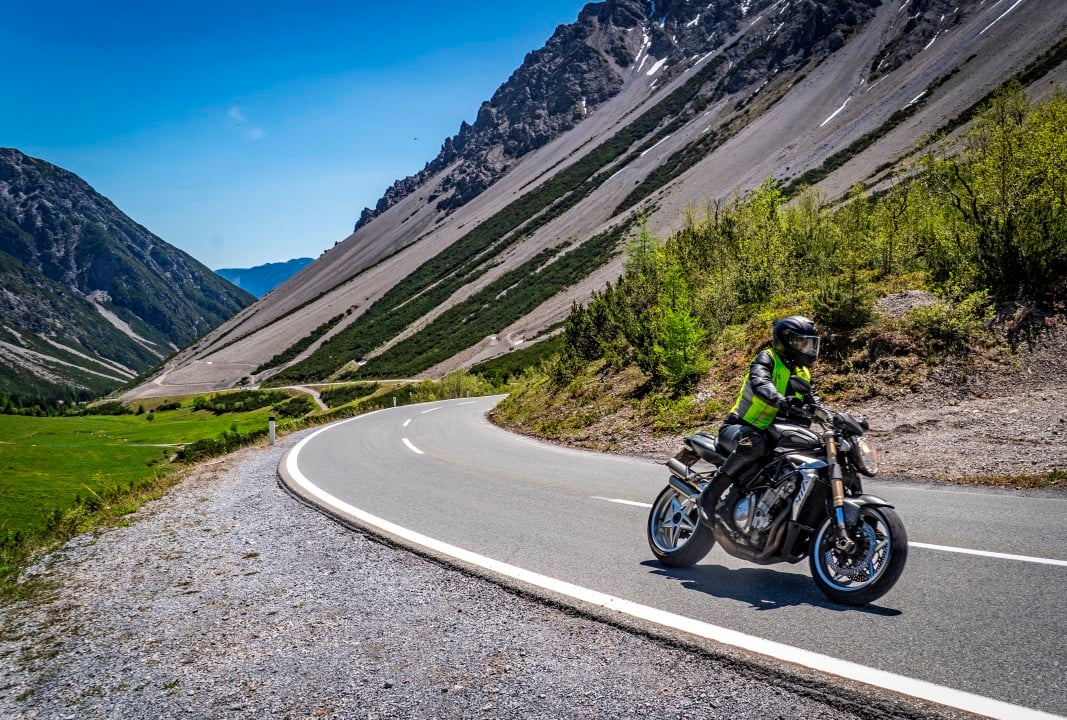
Após obtain your motorcycle license and acquire your first vehicle, there comes the moment that every beginner motorcyclist wants: to take their first ride completely alone. Esse milestone, however, requires extra attention to details that easily go unnoticed. Experienced Motociclistas point out that there are common pitfalls capable of compromising security in this crucial debut.
The most frequent mistakes occur precisely because the enthusiasm of achievement obscures the need for meticulous preparation. The solo journey presents different challenges from those faced in classes or first accompanied practices. Therefore, knowing the main points of attention and strategies to avoid them can make the difference between a memorable experience and an avoidable accident.
Verificação of components before each route
The first rule experienced motorcyclists stress is to never neglect pre-trip inspection. Pneus with inadequate pressure affects stability, especially when cornering. Engine oil must be at the correct level to ensure adequate lubrication. Worn Freios compromises deceleration capacity. Loose Correntes increases the risk of crashing.
Muitos beginners disregard that a motorcycle requires checks that a car does not require as often. Corrente, chains, tires and fluids need regular attention. Realizar this check before each journey, even if it only takes a few minutes, becomes an essential protective habit. The most neglected component is tire pressure, often forgotten between trips.
More on this story: Maximize each liter: experts reveal 10 strategies to save gasoline and boost your car’s performance

Conhecimento of route and road conditions
Planejar the route in advance avoids hasty decisions while driving. Conhecer the presence of sharp curves, traffic lights and sections of intense traffic allows the motorcyclist to maintain a safe speed. Digital Mapas with terrain visualization helps identify unexpected rises and falls.
Motociclistas beginners often underestimate how mental fatigue affects performance. Concentrar just on the route leaves fewer mental resources to anticipate behaviors of other vehicles. A first solo trip should not include complex journeys through unfamiliar urban areas. Rotas known at lower traffic times offer a controlled environment to develop trust. Decidir returning home by a different route should be reserved for when experience increases.
Protection Equipamento: obligation, not option
The helmet is not a visual accessory; is a life-saving device. Motociclistas beginners sometimes choose unsuitable models, such as very heavy helmets that cause discomfort and affect balance. Appropriate equipment includes a reinforced jacket, gloves that protect your hands in case of a fall, and specific pants. Botas with ankle protection reduces injuries in accidents.
Full coverage: Latest News (EN)
Low-quality Cascos offers a false sense of protection. Investir in certified and well-adjusted equipment is not a luxury, it is an investment in health. Protection only works when used every time. Esse commitment must be non-negotiable from the first solo trip.
Velocidade and personal limits during learning
The temptation to gradually increase speed is natural, but must be consciously resisted. Manter below legal limits is the minimum rule. Porém, a safer practice is to set even more restrictive personal boundaries during the initial trial period.
Learn more: Drivers adopt a reference point to park accurately on the left side
Curvas that an experienced motorcyclist passes safely at fifty kilometers per hour can be deadly at sixty for someone with few hours of practice. Acceleration must be carried out on straight, well-lit stretches. Frenagens should be tested in safe areas to understand how the vehicle responds. Velocidade is a factor that can be increased month after month as confidence and skills grow organically.
Comportamento defensive towards other vehicles
Outros Drivers often don’t see motorcyclists until the last moment. Manter Visibility through light-colored or reflective clothing is essential. Sinalizar all direction changes in advance provides other drivers with reaction time. Evitar blind spots of larger vehicles preserves safety.
Most accidents involving motorcyclists occur because other vehicles do not notice them in the traffic space. Dirigir defensively means assuming no one sees you and acting preemptively. Isso includes reducing speed approaching intersections, even when there is a green light.
Motocicleta suitable for the beginner
The Honda NC750X represents the category of vehicles designed specifically for beginners. Seu innovative design, which relocates the fuel tank to create storage space, offers practicality without complicating basic operation. The two-cylinder in-line engine balances ease of handling with fuel economy, reducing anxiety about range on longer journeys.
Escolher, a motorcycle with a focus on cost-benefit ratio, allows the beginner to focus attention on developing skills, not on dealing with an unnecessarily powerful machine. Very powerful Motocicletas amplify handling errors and increase the consequences of failures. A machine that responds predictably to the driver’s commands allows gradual and safe learning.
On the same topic: Harley-Davidson recalls 90,000 motorcycles due to brake failure
Primeiros kilometers as a learning laboratory
The first solo journeys should be treated as a laboratory where skills are tested in a controlled environment. Trafegar on closed circuits or on roads with a low volume of vehicles allows you to practice braking, accelerating and cornering without external pressure. Cada session should focus on a specific aspect of driving.
Experienced Motociclistas recommend keeping initial sessions brief, thirty to forty minutes, to avoid fatigue that impairs concentration. Retornar with home security is complete success. Ambição from covering large distances should be left until dozens of hours of practice have consolidated reflexes and confidence.