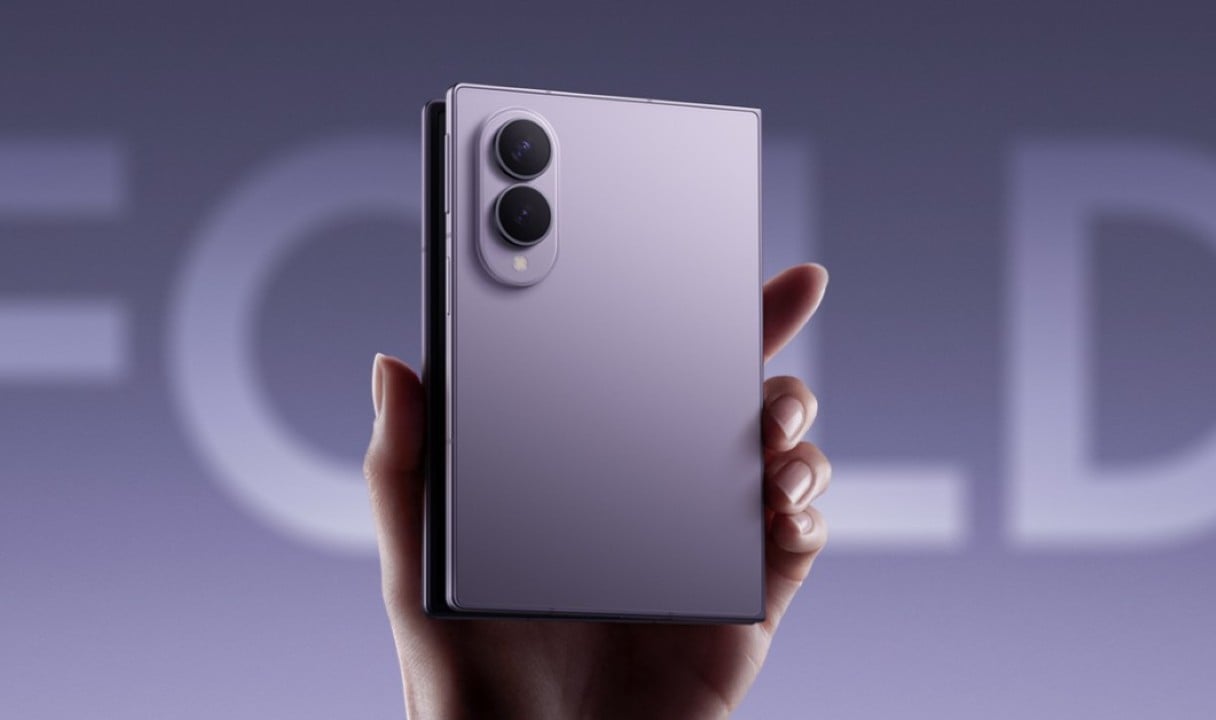
In a technological scenario focused on mobile device innovation, the Galaxy Z Fold8, Samsung’s latest foldable bet, has been the subject of detailed analysis. A recent disassembly test conducted by experts revealed an internal structure that presents significant repairability challenges. These findings generate important discussions about maintenance costs and the expected longevity of such a substantial investment, which can directly impact the consumer experience, from an eventual repair to the decision to replace the device.
Complex Galaxy Z Fold8 repair frustrates tech experts
A thorough analysis of the Galaxy Z Fold8 by technicians specialized in electronics dismantling confirmed that the device has one of the lowest repairability rates among high-end smartphones. The detailed report describes the difficulty in accessing and removing key components, such as the battery and display modules, which were secured with an excessive amount of adhesive. This robust adhesion, although it contributes to structural integrity, turns any repair attempt into a time-consuming process prone to additional damage if not carried out with extreme caution and specific equipment.
Experts pointed out that each stage of disassembly required an unconventional approach. They used heat to soften glues and delicate tools to prevent breakage. In practice, this translates into a repair service that requires more time, more skill and, consequently, is more expensive for the owner. The difficulty of internal access reduces the feasibility of simple repairs, pushing the user to replace larger components or even the entire device.
Structural challenges that make Samsung’s foldable difficult to maintain
The Galaxy Z Fold8’s innovative design, with its flexible screen and hinge mechanism, is the main source of its structural complexity. The assembly of the internal screen, for example, involves multiple sensitive layers and thin connectors, which are extremely vulnerable during the opening process. If this essential part is damaged, the replacement cost can represent a significant portion of the total value of the smartphone, discouraging repairs.
In addition, the device has two batteries, arranged in separate compartments and tightly glued together. Removing these power cells for eventual replacement, a common repair on smartphones over time, is an arduous task. The intricate network of flexible cables that interconnect the two halves of the phone also contributes to the low repairability scenario. Any improper handling may result in chain damage to other components.
Financial and ecological implications of low reparability for users
The difficulty in repairing the Galaxy Z Fold8 has direct ramifications for both the consumer budget and the environment. With the need for highly skilled labor and expensive spare parts, the cost of any out-of-warranty repairs can become prohibitive. A simple battery change or screen repair can cost hundreds or even thousands of dollars, forcing many owners to consider purchasing a new device rather than repairing their current one.
This early replacement cycle intensifies the e-waste problem. Devices discarded prematurely due to unfeasibility of repair contribute to the accumulation of waste containing heavy metals and other toxic materials. The absence of a design that favors repairability conflicts with the growing “right to repair” movement, which seeks to give consumers more autonomy and reduce the environmental impact of electronic products.
Comparison: the Galaxy Z Fold8 in the foldable repairability scenario
Samsung’s Galaxy Z Fold series, since its first editions, has been known for the complexity of its construction. Previous models, such as the Z Fold3 and Z Fold4, already presented notable difficulties in repairs, mainly due to the flexible screen technology and hinge. The Galaxy Z Fold8 does not represent a significant advance in this regard, maintaining a challenging maintenance profile for technicians.
In the foldable smartphone landscape in general, repairability remains an Achilles heel for most manufacturers. Competitors like the Google Pixel Fold and OnePlus Open also received modest scores in teardown tests. This shows that the innovative nature of these devices still imposes barriers to the service. The industry seeks to balance technological innovation with the need for a more repair-friendly design, a level that foldable devices still struggle to reach.
Galaxy Z Fold8 Durability: Analysis Beyond Repair Challenges
It is important to distinguish repairability from the intrinsic durability of the device in daily use. Samsung has invested in resistant materials, such as Armor Aluminum for the structure and Ultra Thin Glass (UTG) for the flexible screen, seeking to offer greater resistance to scratches and impacts. However, the density of internal components and excessive use of adhesives can create structural stress points. Over time, these points could compromise longevity in more rigorous use scenarios or accidents.
Sophisticated engineering aims to maximize space and functionality. However, this compaction can mean that in the event of a severe fall, the damage is more systemic and less localized. Protecting the hinge from dust and water ingress is crucial, but its very complexity adds a layer of risk in the event of mechanical failure. So, while Samsung improves the external resistance, the difficulty of accessing and repairing the interior remains a point of attention.
Essential strategies to extend the useful life of foldable smartphones
Given the difficult repairability and high maintenance costs of the Galaxy Z Fold8, it becomes even more crucial for owners to adopt practices that help preserve the integrity and functionality of their devices. Prevention is the best approach to ensuring that a significant investment lasts as long as possible:
- Active protection with covers and films:Choose sturdy covers that cover the edges and, if possible, the hinge of the device. High-quality films on the external screen are also essential to prevent scratches.
- Take extra care with the internal screen:Avoid pressing the flexible screen with your fingernails or sharp objects. Clean it with a soft, dry cloth, free from abrasive chemicals, and open and close the device gently.
- Suitable use environment:Keep your phone away from environments with excessive dust, sand, or extreme humidity, which can compromise the hinge mechanism and internal components.
- Battery Charging Optimization:To extend the life of dual batteries, avoid overnight charging and frequent full discharge. Use the original charger and make sure the device’s temperature is stable during the process.
- Keeping the software up to date:Install operating system and security updates. They correct faults, improve performance and can optimize energy consumption, contributing to the longevity of the hardware.
The Galaxy Z Fold8 establishes itself as an icon of innovation in the world of smartphones. However, the recent disassembly test reinforces the importance of considering not only the cutting-edge features, but also the practicality of its maintenance. For consumers looking for this device, information on repair complexity should serve as a guide for more conscious and careful use, ensuring that the amount invested is accompanied by prolonged durability, the result of good prevention and responsible usage habits.