

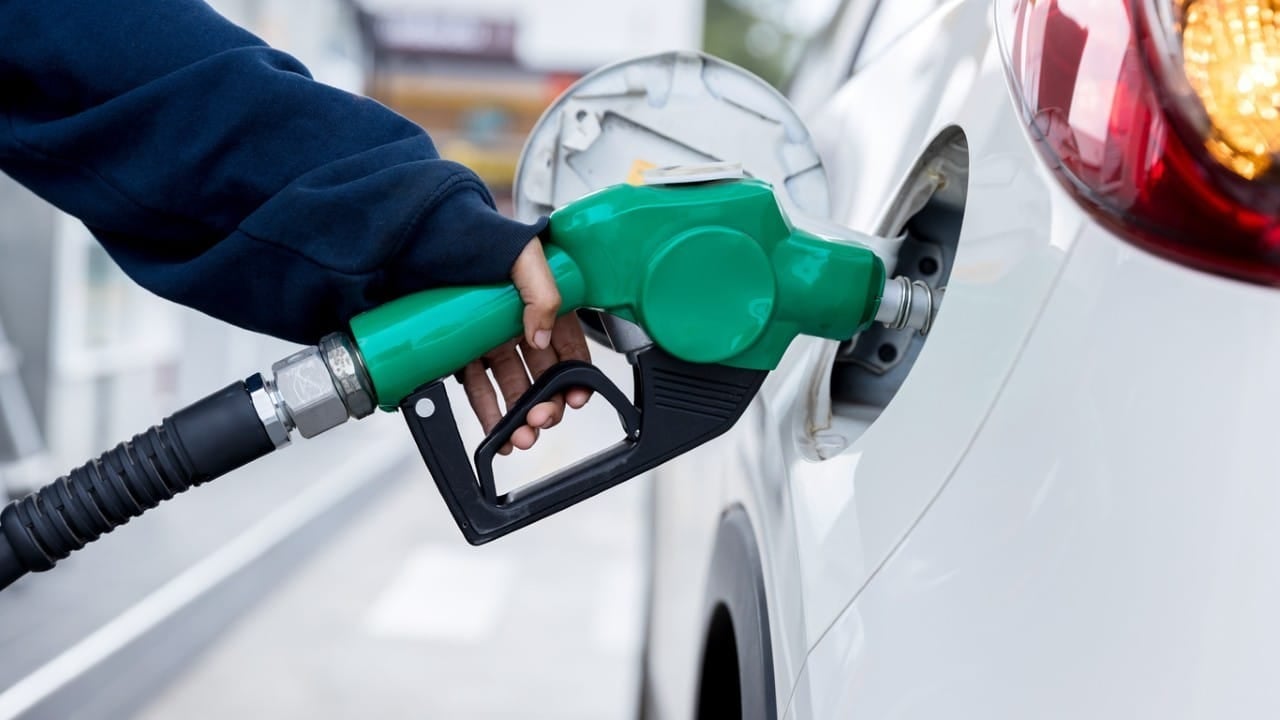
Gasoline prices in Michigan have risen to record levels, with the state average surpassing $4 per gallon and clear signs that gas could hit the $5 mark in the coming days. Diesel has already reached US$5.12 per gallon, reflecting global pressures in the energy market. The increase represents not only a direct impact on driver mobility, but also cascading economic consequences across the transport and logistics sectors.
The price escalation is directly linked to the closure of Estreito from Ormuz, one of the world’s most critical shipping lanes for oil trading. Negociações to reopen the passage failed, maintaining uncertainty about global crude supply. Analistas warn that without a quick diplomatic resolution, pressure on local prices is likely to intensify.
Current Situação prices in Michigan

Michigan faces the reality of fuel costs being among the highest in the country. Regular gasoline is already selling for close to US$4.40 per gallon at stations across the region, with some establishments in urban areas reaching prices above that. Diesel, historically more expensive, has now surpassed the US$5 barrier, signaling even greater pressure on truck owners and carriers.
Price volatility has intensified over the past two weeks. Motoristas face daily increases, changing consumption patterns and forcing family budgets to be redefined. Pequenas and mid-sized enterprises that rely on fleets are already reporting significant operational impact.
- Common Gasolina: Over $4.40 per gallon
- Diesel: $5.12 per gallon
- Tendência: Bullish continuation predicted
- Regional Impacto: Transport and logistics sectors affected
- National Comparação: Michigan among the three most expensive states
Fatores geopoliticians behind the crisis
The delisting of Estreito from Ormuz represents one of the biggest threats to global oil price stability. Essa strategic passage, located between Irã and Omã, is responsible for the flow of approximately 20% of internationally traded oil. Qualquer interruption on this route has an immediate effect on world markets, especially on Estados Unidos, which continue to depend on crude imports even with an increase in domestic production.
Negotiations to reopen failed due to disagreements over terms of access and maritime security issues. Sem clear prospect of resolution, the market prices a reduced supply of oil, pushing values upwards. Geopolitical uncertainty adds a risk premium to the international barrel price, directly affecting American refineries that supply stations like Michigan.
Especialistas in energy warn that any further escalation in the region could push gasoline beyond the psychological $5 per gallon mark in the state.
Impactos economical beyond the gas station
High fuel costs are not limited to individual drivers. Transportadoras cargo adjusts freight prices, passing on costs to companies that depend on logistics. Restaurantes, supermarkets and retailers face pressure on operating costs, ultimately impacting the consumer through higher prices on essential products.
School transport, delivery services and taxis have already felt direct pressure on their margins. Municipalidades who maintain municipal fleets urgently review budgets. The American supply chain, already facing inflation challenges on multiple fronts, is absorbing yet another hit from energy volatility.
Consumidores begin to change behaviors: increase in shared rides, reduction in non-essential trips and greater interest in electric vehicles. Car rental companies Agências report increased demand for hybrid and electric models, signaling structural shift in transportation preference.
Perspectivas for the next few days
Sem resolution in Estreito of Ormuz, price pressure tends to remain high or intensify even further. Analistas monitors diplomatic developments in the region with particular attention, as any declaration of reopening of the crossing could ease global prices. Paralelamente, American independent producers increase extraction, trying to compensate for reduced supply from abroad.
Agência of Informações over Energia (EIA) projects continued volatility in the near term. Previsões point out that gasoline at Michigan will remain above US$4 per gallon for at least another two weeks, with a real risk of reaching or exceeding US$5. The situation especially affects Centro-West states like Michigan, which face a combination of distance from large refineries and dependence on longer logistics routes.
Motoristas are advised to monitor daily price updates and consider adjustments in shifting patterns. Empresas transport company is already negotiating adjustments in freight contracts with customers. State Autoridades assess whether fiscal relief measures or subsidies can be implemented, although options are limited given global oil price dynamics.