
Nintendo’s new portable platform bets on graphic recreation of Zelda Ocarina of Time

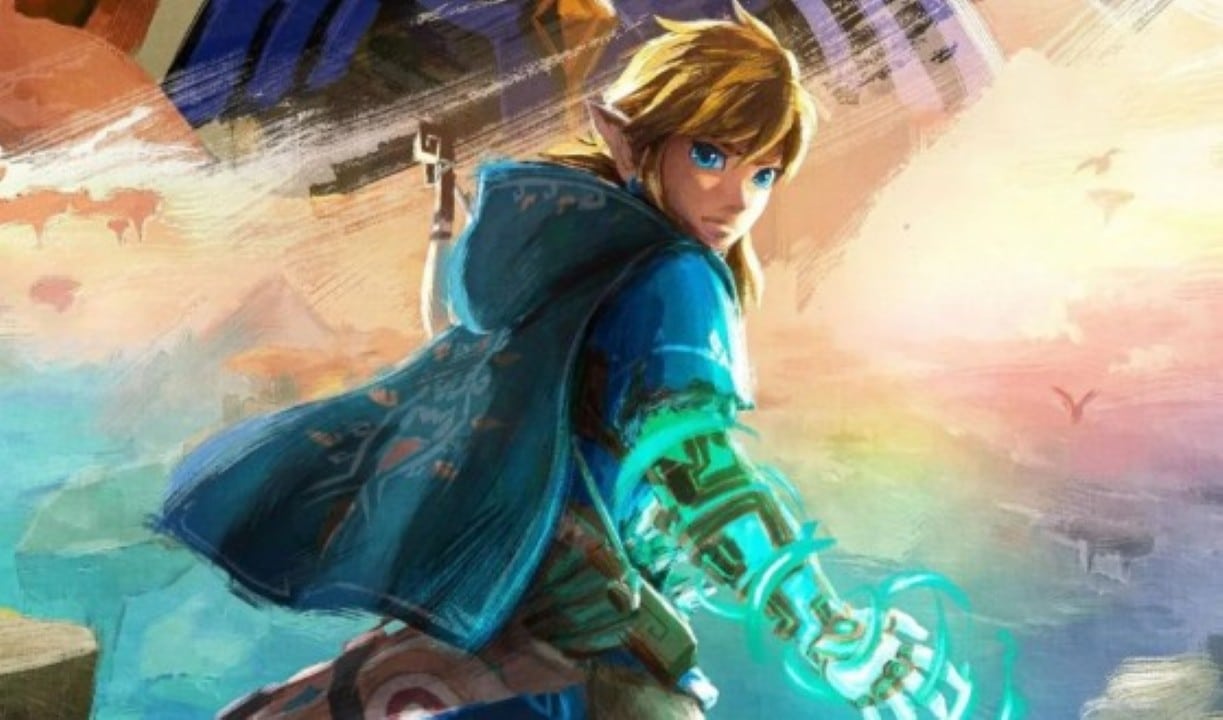
Japanese manufacturer Nintendo has officially revealed its latest digital entertainment device, marking the transition to a new generation of portable hardware. The new equipment will hit the shelves accompanied by a complete reconstruction of the acclaimed The Legend of Zelda: Ocarina of Time. The company is banking on the strength of one of its most famous intellectual properties to drive early adoption of the system. The project modernizes the original adventure with advanced textures and controls adapted to current industry standards.
The strategic move seeks to consolidate the company’s leadership in the hybrid and mobile video games segment. The presence of a strong title on the first day of sales serves as a practical demonstration of the machine’s processing capabilities. Especialistas from the industry assess that the combination of nostalgia with technical innovations represents a historically profitable formula for the Asian brand. The device promises to deliver a superior visual experience without sacrificing the mobility that defines the company’s recent products.
『제르다의 시대의 오카리나』의 메자리메이크특,
(소스:https://t.co/Isv8LRAJxQ) pic.twitter.com/NQfhSRF9CE
—चर्चाफिल्म (@चर्चाफिल्म)2026년 3월 27일
Arquitetura of the new portable device and specifications
The center of the new console’s visual experience resides in an eight-inch liquid crystal display. The display uses recent contrast enhancement and color fidelity technologies to deliver sharp images in different lighting conditions. The manufacturer decided to keep the portable format as the central pillar of the product design. The physical structure was designed to balance the weight of the internal components with the ergonomics necessary for long sessions of continuous use.
The leap in performance compared to the previous generation is significant. The internal hardware has received substantial upgrades to support higher resolutions and maintain frame rate stability. Efeitos complex lighting and large room rendering capabilities, previously restricted to traditional desktop consoles, now run natively in the compact form factor. The operating system interface also underwent a complete overhaul to ensure fluid navigation between the menus and the online store.
Energy autonomy received special attention from the engineers responsible for the project. The high-capacity battery allows users to explore virtual worlds for hours before needing an outlet. The device’s internal storage has been expanded considerably compared to past standards. Essa structural change meets the growing demand for space, as the installation files of modern games occupy increasingly larger volumes of the system’s flash memory.
Reconstrução visual and sound of the 1998 classic
The work on recreating The Legend of Zelda: Ocarina of Time goes beyond a simple resolution update. The original title, released at the end of the nineties, had all of its three-dimensional models remade from scratch. The iconic scenarios have gained high definition textures, while the characters have much richer and more detailed facial expressions. The fluidity of combat and exploration animations has been adjusted to respond instantly to player inputs.
- Implementação is a dynamic lighting system that changes the atmosphere of scenes in real time.
- Mapeamento buttons revised to take advantage of new hardware analog triggers and levers.
- Ajustes fines the physics and mechanics of interaction with the elements of temples and dungeons.
The programming team dedicated efforts to maintaining the mechanical identity that established the original work. The classic puzzles remain present, but the updated graphics engine allows for new visual approaches to solving challenges. The soundtrack, widely recognized by the public, underwent a complete remastering process. The musical arrangements now feature modern orchestration, increasing the audio quality without losing the characteristic melodies that define the franchise.
Estratégia commercial and initial catalog expansion
Choosing Zelda as the main launch product serves a dual purpose for the company. The game simultaneously acts as a draw for longtime fans and a technological showcase for partner developers. The demonstration that the console can run a complex open world with updated graphics encourages other studios to invest in the platform. The company has already confirmed agreements with several external producers to ensure a constant flow of news.
Market planning includes aggressive pricing to compete directly with other gaming-focused handheld devices. The distribution strategy foresees the arrival of new titles in a staggered manner during the first twelve months of the device’s life. Esse schedule avoids long periods without relevant releases, keeping user base engagement always high. Support for independent studios has also been strengthened, ensuring a diverse library from day one.
Genre diversification is a fundamental piece in the manufacturer’s commercial puzzle. Além of action adventures, the initial catalog will feature simulators, racing games and casual puzzles. The presence of producers of different sizes ensures that the console ecosystem offers entertainment options for all age groups. The business model focuses on consumer retention through a continuous offer of quality software.
Projeções for the electronic entertainment segment
The impact of the arrival of new hardware from Nintendo usually moves the entire video game production chain. Analistas financiers note that the continued focus on portability dictates trends that are often followed by competing companies. The ability to deliver big-budget experiences in a backpack-friendly format addresses a shift in modern consumer behavior. Today’s audience values the flexibility of starting a game on their living room television and continuing it during their commute to work.
The bet on the nostalgia factor, materialized by the remake of Ocarina of Time, demonstrates an accurate reading of the current market. Jogadores who grew up with the original title today have the purchasing power to purchase the new system at launch. At the same time, the modern graphic guise makes the work palatable for teenagers and young adults who have never had contact with the classic version. Essa bridge between generations is one of the most valuable assets that the company has in its portfolio.
The competitive landscape of the coming years will be shaped by the initial reception of this new ecosystem. The consolidation of more efficient display technologies and powerful mobile processors opens up space for continuous innovation in the sector. The commercial success of the device will depend on the company’s ability to maintain the pace of software production and overcome possible bottlenecks in the global supply chain. The industry is awaiting the first sales results to calibrate its own medium-term development strategies.





