
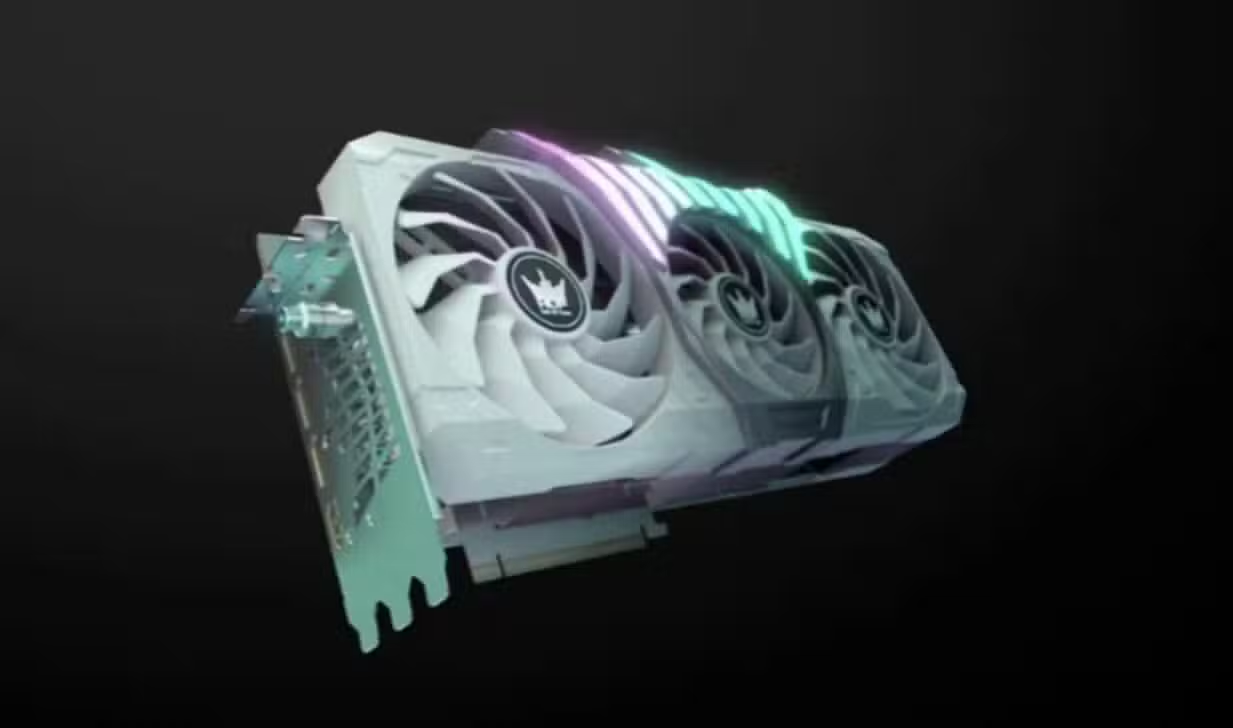
The computer components manufacturer denied recent rumors about the closure of its activities in the technology sector. The company will undergo a profound administrative reorganization. Operational control is now under the direct responsibility of the owner matrix. The decision affects internal workflow, but guarantees the permanence of product lines on physical and virtual shelves around the world. The transition process seeks to optimize resources without harming the end consumer.
The scenario of uncertainty began after posts on social networks suggested the brand’s exit from the high-performance graphics processing segment. The head office quickly intervened with an official statement to calm investors and commercial partners. The move transfers the administrative headquarters from Hong Kong to Taiwan. Especialistas point out that the maneuver strengthens the company’s ability to compete against other giants in the semiconductor sector. The computer parts market requires constant adaptations from automakers.
Administrative Integração centralizes operations on Taiwan
The Asian conglomerate has held the rights to the brand since 2007. Durante For more than a decade and a half, the subsidiary has maintained an almost total independence stance in its market decisions. The team operated from its own offices and managed its supply chain autonomously. The new business model ends this structural separation. The main management takes charge of all strategic departments to unify the group’s commercial vision.
The transition directly affects the research, development and international logistics sectors. Engineers from both divisions will now share proprietary laboratories and technologies. Unifying resources significantly reduces manufacturing costs. The hardware market requires massive investments in constant innovation to keep up with chip launches. Bringing the teams together creates a more conducive environment for creating advanced thermal and electrical solutions for modern graphics cards.
Rumores about layoffs circulated on specialized forums during the early days of the corporate transition. Representantes from the Brazilian arm even mentioned loss of access to internal management systems. The companies involved chose not to disclose exact numbers regarding the relocation of employees or possible payroll cuts. Personnel readjustment is usually a standard step in corporate merger processes of this size. The current focus lies on maintaining the production capacity of factories.
High-performance Série maintains manufacturing schedule
Technology enthusiasts have shown particular concern about the future of premium graphics processing lines. The series known for its white design and focus on extreme overclocking has a very loyal fan base around the world. The manufacturer released a specific note to ensure that the development of these models remains active. Engineers are already working on the next generations of cards. The quality standard required by professional players will be strictly maintained.
The high-performance graphics card segment generates billions of dollars annually in the global market. The company competes directly with other partners in assembling boards based on third-party architectures. Maintaining a complete portfolio indicates that the parent company recognizes the commercial value of the subsidiary. Products will continue to receive regular software updates and performance optimizations. The visual identity consolidated over the years remains intact on the packaging.
The strategy of keeping multiple brands under the same corporate umbrella caters to different profiles of technology consumers. One division focuses on cost-benefit for the general public looking to build basic computers. The other caters to advanced users looking to break processing records in global competitions. The visual and marketing separation of products remains unchanged in retail stores. Essa approach ensures a larger share of total industry sales.
Warranty Atendimento on Brasil undergoes direct transition
Brazilian consumers face immediate practical changes when accessing specialized technical support. The brand’s national portal already displays updated guidance on the process for returning authorized merchandise. The head office assumes full responsibility for the analysis and replacement of defective components in the country. The unification of service policies standardizes the service provided to local customers. The sending of parts for repair will follow a new centralized logistics protocol.
The change in the warranty flow generates mixed expectations among desktop users. The previous system had an established reputation for agility in resolving complex technical problems. The new structure promises access to a much larger and more diverse stock of spare parts. The adaptation period will require patience from customers who need to activate the service in the coming months. The customer database transition is already underway.
After-sales support represents a decisive factor when choosing high-cost computer parts. A modern graphics card requires a considerable financial investment from the buyer. The guarantee of long-term operation dictates the pace of sales in specialized IT retailers. The parent company reinforced its commitment to honor all warranty periods in force stipulated at the time of purchase. Consumer rights remain protected throughout the restructuring.
Corporate Movimento Seeks Efficiency in Global Hardware Market
The consolidation of operations reflects a clear trend in the consumer electronics manufacturing sector. Profit margins on the sale of computer components have declined in recent years due to rising production costs. Centralizing raw material purchases increases negotiating power with silicon and copper suppliers. Economies of scale allow us to maintain competitive prices on physical and virtual shelves. Operational efficiency defines the survival of automakers.
The release schedule for the next fiscal year has not undergone any documented changes to date. The factories located at Ásia continue to operate at normal daily production capacity. The global distribution of batches of goods follows the logistical planning established in the previous quarter. The integration of inventory management systems is expected to be completed in the coming weeks. The flow of containers for Américas and Europa maintains the usual regularity.
Detalhes specifics about the reorganization illustrate the breadth of structural change in companies:
- The main administrative headquarters now operates exclusively on the island of Taiwan.
- Technical support for the Brazilian territory is under the direct management of the parent company.
- The product lines aimed at breaking performance records remain active.
- The research and development department unifies advanced refrigeration projects.
- The original brand maintains its visual identity on retail packaging.
The technology market demands quick responses to changes in consumer behavior and software innovations. The lean administrative structure facilitates the approval of new engineering projects. The elimination of duplicate positions between the two companies speeds up the flow of internal information and decision making. The end result of this corporate maneuver will be tested during the semiconductor industry’s next major launches. Customer loyalty will depend on the quality of the next products delivered.