
Risk of lightning forces Formula 1 to prepare immediate stoppage protocol at the Miami GP

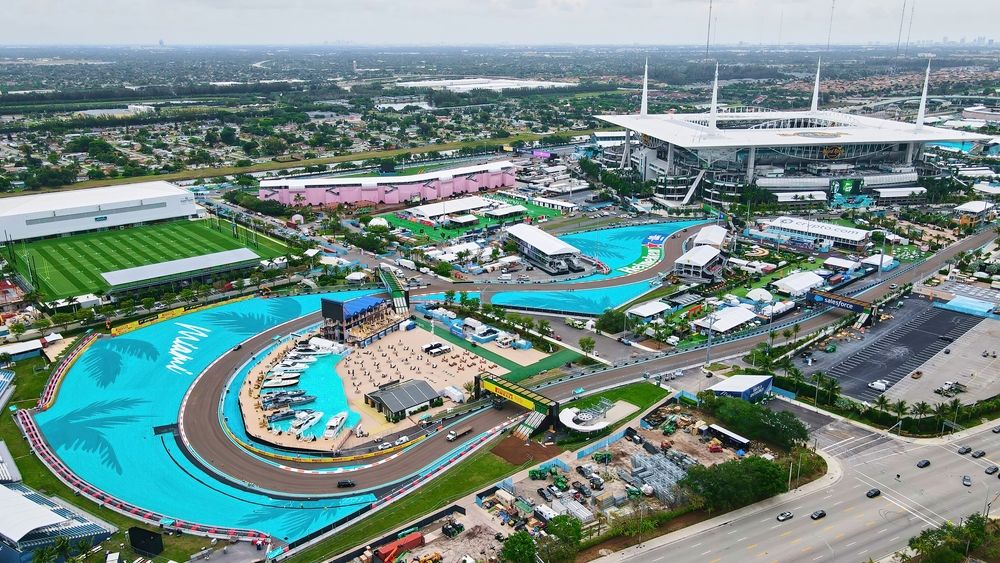
The Fórmula 1 organization monitors the Flórida sky with increased attention for this Sunday’s race. Miami’s Grande Prêmio deals with a worrying weather forecast that affects all planning. The possibility of electrical discharges in the racetrack area became the main focus of the engineering teams. Meteorologistas calculates a fifty percent chance of severe storms during the main event. The unstable weather requires special preparation from everyone involved in the event.
The strictness of Estados Unidos laws for outdoor events changes the dynamics of automobile competition. Local legislation applies different rules than the standards seen in Europa or Ásia. The detection of lightning near the track requires the immediate suspension of the race with no room for negotiation. Fans need to seek shelter indoors quickly. The rescue helicopter instantly loses flight permission. Human security takes absolute control of sporting decisions.
Hey Miami! 👋 We have arrived 😎 #F1 #MiamiGP pic.twitter.com/yxQ4oaJSkc
— Formula 1 (@F1) April 30, 2026
Normas of public security determines interruption of the test
American guidelines call for quickly dispersing crowds at risk of an electrical storm. Fórmula 1 adapts its internal procedures to strictly comply with this legal determination. The race direction raises the red flag instantly on the light panels. The measure takes place even without heavy rain on the circuit’s asphalt. The simple presence of lightning in the security perimeter generates maximum alert. Track Fiscais and spectators in metal stands are at high risk of fatal accidents.
The Federação Internacional of Automobilismo has a direct communication system with the pit walls. Teams receive the danger warning simultaneously on their telemetry monitors. Pilots reduce speed sharply and safely. The cars return to the pitlane in single file. The race director commands safety actions from the control tower. The sports regulations undergo specific adjustments to respect the laws of the Flórida state.
Medical helicopter flying Restrição blocks cars on the runway
The aeromedical rescue protocol defines the continuity of any session in the highest category of motorsport. Fórmula 1 prohibits the movement of cars at high speed without immediate air cover. The helicopter needs to have clear takeoff conditions at any time. Landing at the referral hospital also requires climate approval from aviation authorities. Electrical storms cancel all flight permits in the metropolitan region.
American authorities apply civil protection law strictly and without exceptions. The financial value of the sporting event does not change public safety decisions. The shutdown lasts as long as necessary for the atmospheric risk to completely dissipate. The drivers await further instructions outside the single-seaters at the back of the garages. The organization maintains continuous contact with the local airport control tower to monitor the movement of clouds.
Regulamento makes an exception to protect vehicles in the pits
Races held on Estados Unidos have exclusive rules for the red flag interruption period. The global standard requires cars to be parked in the pitlane under all weather conditions. The Miami stage offers a logistical alternative for the teams. Mechanics receive official permission to collect equipment. The measure protects sensitive electronic systems against damage caused by excessive humidity.
- Engenheiros push single-seaters into garages after official authorization.
- Portões’s pit lane remains fully open during the race stoppage.
- Mecânicos only performs the repairs listed in the category technical document.
- Movimentações without prior warning results in serious punishments on the starting grid.
- Sistemas cooling systems work without restrictions to protect power units.
Inspection inside the garages occurs relentlessly throughout the break. Delegados technicians monitor the work of mechanics closely to avoid infractions. The highest motorsport entity prohibits changes to the aerodynamic configuration of vehicles. Failure to comply with closed park rules generates automatic punishment. The offending driver starts from last position when the race resumes, damaging the team’s weekend.
Modern hybrid engines generate an extreme amount of heat during operation. Cooling depends on air entering through the side fins at high speed. The sudden stop in the pitlane raises the internal temperature quickly to critical levels. Crews use powerful industrial fans and bags of dry ice. The requirement for open doors facilitates visual inspection by stewards and opposing teams.
Race Retomada depends on strict schedule and favorable weather
The release of the runway only occurs after safety confirmation by the competent authorities of Flórida. The race director analyzes the weather radars minute by minute on dedicated screens. The medical helicopter needs to regain formal flight authorization. The organization issues an audible warning eighteen minutes before the official restart. The teams organize work tools and prepare the pilots for their return.
The cars return to the outside pit area in the exact order they stopped. A second audible warning indicates the ten-minute mark for the contest to resume. Engineers relay strategy information over the radio. Thermal blankets come off the tires only in the last few seconds allowed. Cold rubber on wet asphalt poses a major grip challenge in the first few corners.
The formation lap behind the safety car serves as a practical track test. Competitors look for puddles of water accumulated on the zebras. The transition from wet to dry track changes the dynamic behavior of the cars. Mechanics race to clear the work area in time for the start. The resumption logistics require absolute precision from all team employees.
Weather Previsão indicates extreme heat ahead of Sunday threat
The speed weekend starts with very stable weather conditions. Friday features the only free practice and qualifying for the short race. The sky remains clear most of the day over the racetrack. The thermometers read twenty-nine degrees Celsius in mid-afternoon. The chance of rain is considered zero by experts. Teams calmly test dry tires and collect data.
Saturday raises the temperature on the street circuit built around the stadium. The heat reaches thirty-one degrees Celsius during the main track sessions. The probability of rain does not exceed the ten percent mark. Smooth compounds dominate the sprint race and official qualifying for Sunday. The change in climate only happens during the night, bringing cold fronts.
The main race concentrates all the meteorological concerns of the weekend. The chance of lightning reaches fifty percent at the start time. A weather shutdown changes all planned tire change strategies. The Grande Prêmio requires quick adaptation from engineers at the pit wall. American laws and the force of nature define the rhythm of the sporting event.





