

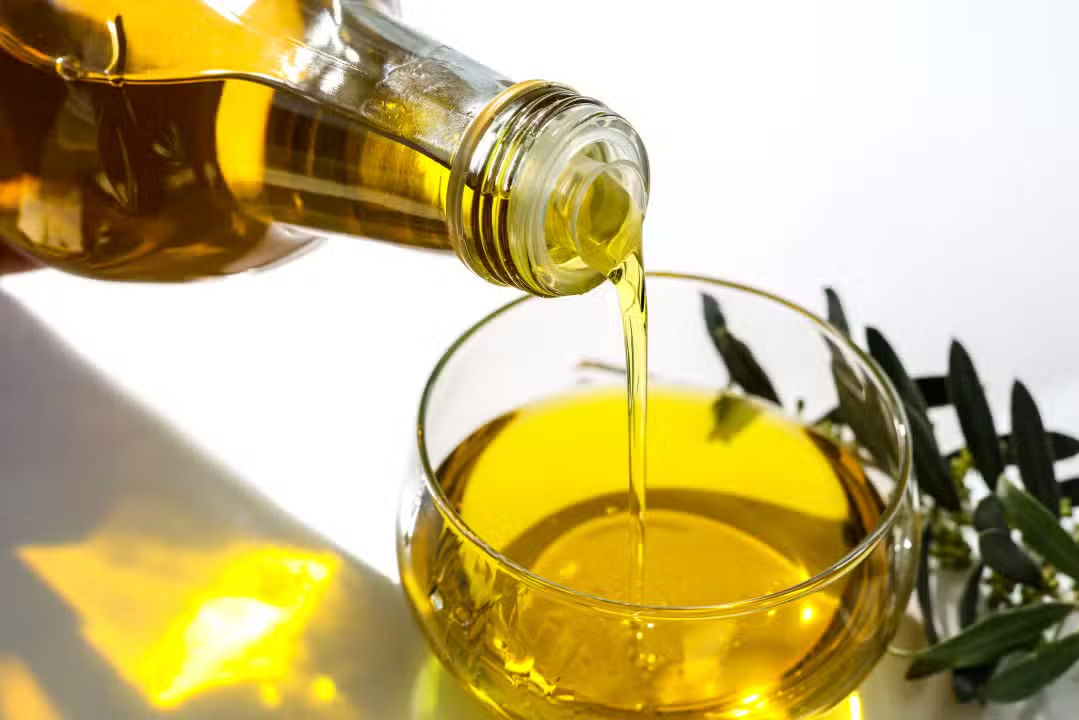
Apenas two extra virgin olive oils passed with flying colors in a test carried out by Öko-Test. The laboratory analyzed 30 products from the highest category and found that the majority do not meet the standards promised on the packaging. Contaminação by pesticides increased significantly from previous tests, and dangerous hydrocarbons were found in virtually all oils.
The situation is worrying for consumers who pay between 7.99 and 27.98 euros per liter expecting to receive a premium product. Dezoito of the olive oils tested had organic certification, which did not guarantee safety or superior quality. The analysis included oils from the low to mid price range, deliberately excluding the most expensive versions on the market.
Apenas two olive oils receive maximum approval
Aldi’s organic extra virgin olive oil, priced at 9.27 euros per liter, was the only commercial brand product that achieved the “very good” rating. The second approved with excellence was the Rapunzel from Itália, priced at 19.78 euros. Ambos met the strict sensory purity and chemical composition criteria established by European regulations.
Sete olive oils received a “poor” grade in the test. Entre rejected are Azeite from Oliva Extra Virgem Orgânico De Cecco, Azeite from Oliva Extra Virgem Orgânico Rewe and Azeite from Oliva Extra Virgem Dennree. Quatro products have been classified as “rancid”, indicating degradation of the oil during storage or transportation. Outros three had a strong and cloudy smell, signs of a serious sensory defect.
Pesticidas found at rising levels
Contamination from multiple pesticides has increased alarmingly compared to previous research carried out by Öko-Test. Diferentes classes of agrochemicals were detected in dozens of the analyzed products. The phenomenon occurs in all price ranges, including in olive oils certified as organic.
Especialistas assess that the origin of this contamination may be in the production chain, from the field to bottling. Resíduos of herbicides and fungicides used in conventional olive groves can migrate to organically produced oils when facilities share equipment or location. European legislation establishes maximum limits for each substance, but Öko-Test applied even stricter criteria.

Dangerous Hidrocarbonetos appears in virtually all oils
Todos the 30 olive oils tested contained at least traces of saturated mineral oil hydrocarbons, known by the acronym MOSH. Essas molecules gradually accumulate in human adipose tissue and internal organs. The biological effects are not yet fully understood by science, but researchers from Öko-Test warn of the potential risk of chronic storage.
Resultado is even more worrying: four olive oils showed aromatic hydrocarbons from mineral oil, called MOAH, in concentrations considered high. Essa class of compounds poses greater risk because it may include substances with carcinogenic and mutagenic properties. The likely source is contamination during the production process, with industrial lubricating oils coming into contact with the product through inappropriate machines or conveyors.
Metodologia Rigorously Sets Test Standards
Öko-Test subjected each sample to complete laboratory analysis of physicochemical parameters. Acidity, peroxide index, K values, fatty acid alkyl esters and waxes were measured according to Regulamento of Azeite established by União Europeia. A panel of certified tasters, consisting of at least eight members recognized by Conselho Oleícola Internacional, evaluated each oil in blind sessions.
Olive oil experts judged the presence of desirable sensory characteristics: spiciness, controlled bitterness and balanced fruity notes. Também identified undesirable attributes that indicate reduced quality. The overall harmony of each sample was considered in the final score. The analysis of polycyclic aromatic hydrocarbons, which form during intense heating in production, did not reveal relevant levels in this test.
Plastificantes and contamination of the production chain
Além of pesticides and hydrocarbons, laboratories detected plasticizers in several samples. Essas molecules migrate into the oil during the distribution chain, especially when the product comes into contact with unsuitable plastic containers and equipment. European regulation sets limits, but the persistent presence suggests failures in the control of materials used by the industry.
Todos These contaminants raise questions about how consumers can identify truly safe olive oil. Rótulos and certifications, including the organic stamp, do not guarantee absolute purity. Price also offers no protection: expensive olive oils were not included in this test, but previous analyzes show that high value does not always correspond to superior quality.
Como recognize good olive oil when purchasing
Olive oils labeled “extra virgin” must be free from sensory defects in accordance with international standards. European legislation requires these products to meet strict parameters before reaching retail. In practice, consumers have few resources to evaluate quality before purchasing, depending mainly on brand and established reputation.
Color, although attractive, does not indicate quality. The aroma cannot be tested in the closed packaging. The flavor only reveals itself after purchasing and opening the container. Diante these limitations, the recommendation is to look for brands with a proven history of transparency and that invest in independent tests. The Öko-Test result demonstrates that established names can also disappoint, reinforcing the importance of research and comparison before spending on an expensive product.