

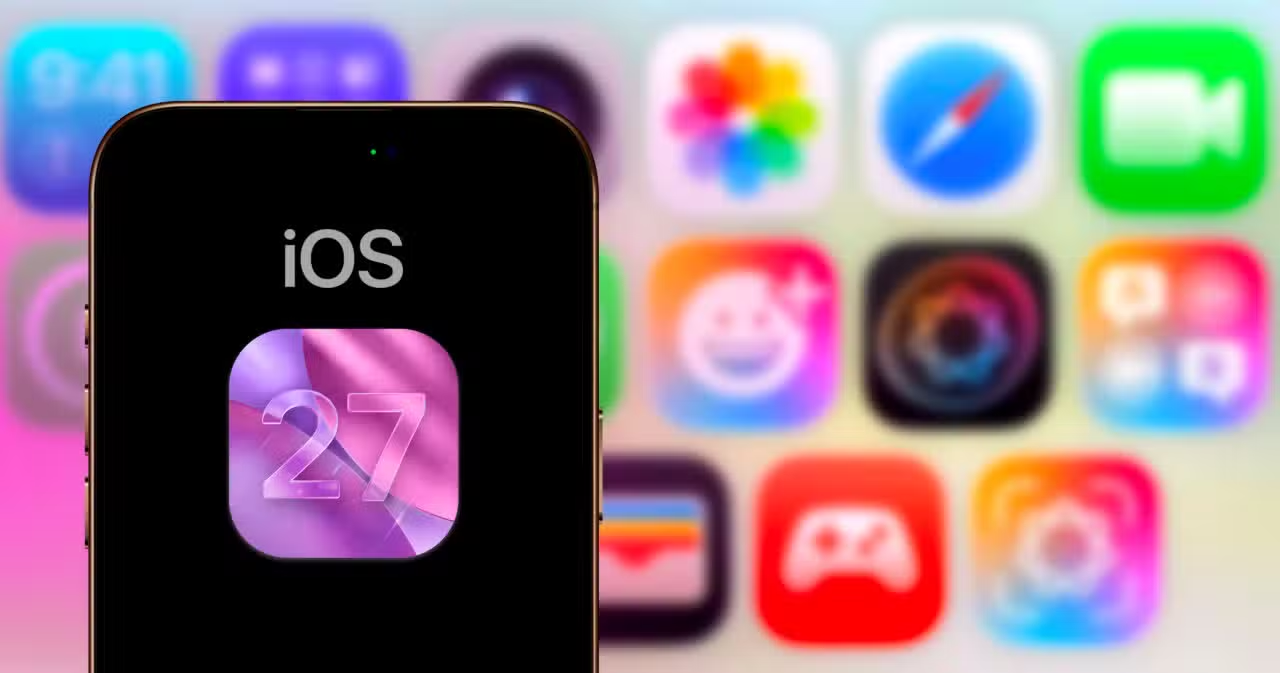
Apple is preparing a significant change for the main interface of its smartphones. The next major OS update will introduce a stock reversal button on the home screen. The feature allows device owners to undo accidental movements of applications, folders and widgets. The new feature arrives to resolve an old consumer complaint about the organization of icons. The specific code for this function is already part of the preliminary versions of the software under development.
The modification reflects a change in the technology company’s approach. Developers now prioritize overall system stability over major visual overhauls. The update is scheduled to reach the global market in 2026. The company seeks to deliver more fluid and intuitive navigation for daily use. Especialistas from the sector indicate that the brand wants to consolidate existing tools before proposing new design paradigms, guaranteeing an experience free from structural flaws.
Integração of rollback command in context menu
The implementation of the new button will occur discreetly in the user interface. Atualmente, owners of the brand’s smartphones need to press the screen for a few seconds to activate editing mode. The system will now display the undo option directly in the context menu that appears when touching and holding an icon. The action will immediately revert the last change made to the arrangement of elements. The chosen format avoids the need to add permanent floating buttons on the screen.
The manufacturer’s main objective is to eliminate the frustration associated with customizing the device. The manual process is time consuming. One wrong move often destroys entire folders or moves dozens of applications to unwanted pages. Entering the rollback command returns the interface to the exact state seconds before the error. The mechanism works in a similar way to editing shortcuts found on computers and productivity software, offering a safety net for users.
The absence of this tool has become more evident over the last decade. The operating system’s home screen received several innovations, such as the application drawer and interactive widgets of different sizes. The increase in complexity in the organization required a practical solution for possible mistakes. Manually rearranging a disconfigured screen requires patience and precision, factors that the new update aims to optimize with a simple touch on the screen.
Avanços in voice commands and artificial intelligence
The software package update will also bring profound changes to voice interaction. The Siri virtual assistant will gain autonomy to perform specific actions within installed applications. Integration with the brand’s artificial intelligence system will allow the assistant to understand the context of what is being displayed on the screen. The user will be able to request complex commands without having to manually navigate through menus. The tool will process information continuously and silently in the background.
The evolution of the virtual assistant will gradually replace the need for complex manual configurations. The shortcuts application, currently used to create automations, will lose space in consumers’ routines. Artificial intelligence will take on the responsibility of connecting different services and executing tasks in sequence. The company directs its efforts to create an experience where voice replaces screen taps for advanced functions. The processing of information will take place with a focus on data protection.
- Gerenciamento data location to ensure the absolute privacy of the user’s personal information.
- Compreensão enhances the content displayed on the screen for accurate responses and immediate actions.
- Automação of repetitive tasks without the need for prior programming by the consumer.
The architecture of the new operating system limits the sending of data to external servers. Most artificial intelligence decisions will take place directly on the device’s processor. The strategy protects customer information and reduces command response times. The manufacturer maintains its strict stance on privacy, using local processing as a competitive differentiator in the global mobile device market.
Prioridade for performance and energy efficiency
The development guidance for the 2026 software focuses on consolidating existing resources. The engineering team works to eliminate code bugs and improve the fluidity of animations. The decision to avoid drastic visual changes allows developers to dedicate more time to battery optimization. Background power consumption will undergo rigorous reviews to ensure greater autonomy than current models. The system will operate with greater thermal efficiency.
The focus on stability responds to the smartphone industry’s recent history. Atualizações loaded with new visual features often results in slowdowns and crashes in the first few months of release. The company adopts a conservative stance to ensure that the transition to the new system occurs without interruptions in daily use. Cleaning up old codes and restructuring internal processes promises to revitalize even the oldest devices compatible with the new version.
Calendário testing and public availability
The distribution schedule for the new operating system will follow the standard established by the company. The first official demonstration will take place during the annual developer conference, scheduled for June 2026. The event will serve to present the technical capabilities of the update and release the first test version to programmers. The technical evaluation phase allows application creators to adapt their products to new interface and artificial intelligence requirements before commercial launch.
The beta testing period will last approximately three months. Interested Consumidores can sign up for the public evaluation program to try out the new features in advance. Public participation helps identify malfunctions in real usage scenarios. The company will use the reports generated during this phase to refine the code and fix security vulnerabilities. The iterative process ensures that the final version reaches the market with the highest level of polish.
The definitive release of the operating system is scheduled for September 2026. The update will coincide with the launch of the iPhone 18 line in physical and virtual stores. The new software will be factory installed on newly launched devices, extracting the maximum potential from the new hardware. Owners of previous generations will receive the update notification simultaneously, ensuring millions of devices around the world have immediate access to the undo button and performance improvements.