Apple transforms the look of the iPhone 18 Pro with translucent chassis and unprecedented 5200 mAh battery
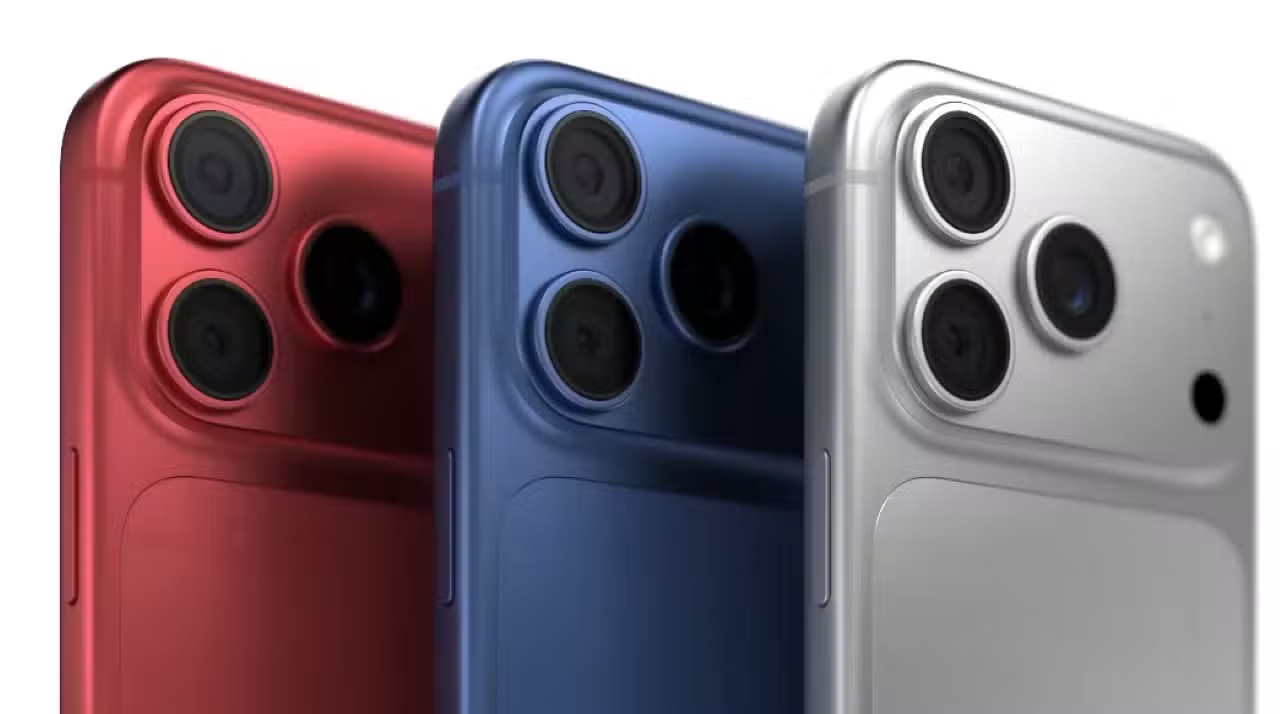
Apple prepares an aesthetic and hardware overhaul for its next generation of high-end smartphones. The future iPhone 18 Pro will hit the market with a translucent chassis unprecedented in the brand’s family of cell phones and a high-density battery with a capacity of 5200 mAh. The change represents a significant departure from the visual language adopted by the company in recent years, combining premium materials with an aesthetic that exposes the device’s internal components.
The technology giant’s move seeks to attract consumers interested in visual innovation and greater autonomy in daily use. The adoption of new silicon-carbon technologies allows for increased charging without compromising the thickness of the device. Especialistas from the telecommunications sector point out that the change in design also requires complex adaptations to the assembly lines located at Ásia, which affects the planning of the product’s initial global distribution volume.
Retorno of Translucent Aesthetics and Aerospace Materials
The development of the translucent chassis marks a profound change in the visual identity of the Pro line. The main structure of the device continues to use aerospace-grade titanium, a material chosen for its high resistance and lightness. The novelty lies in the glass back, which receives a specific chemical treatment to lose its traditional opacity. The finish allows users to observe part of the internal organization of the electronic components. The design decision harks back to technological trends from decades past, when computers and video games featured their circuit boards.
Applying this aesthetic to a modern smartphone requires a superior level of internal finishing. Cada flex cable, screw and connection module must be in perfect alignment. The company’s engineering team had to redesign the logical arrangement of the parts to ensure a clean and symmetrical visual presentation. The titanium surrounding the chassis acts as a frame for this technological showcase. Transparency adds an element of exclusivity to the final product.
Assembly requires clean rooms with strict particle control in industrial facilities. Qualquer speck of dust trapped under the translucent glass would be permanently visible to the consumer. Partner factories have implemented medical-grade air filtration systems in the chassis seal areas. The process of gluing the rear glass to the titanium structure takes place in vacuum chambers to prevent the formation of microscopic air bubbles.
Avanços on battery and cooling system technology
The energy upgrade represents the second pillar of this hardware redesign. The device incorporates a battery with a capacity of 5200 mAh, a significant numerical leap compared to previous generations. The increase in capacity without expanding the physical volume of the cell phone occurs thanks to silicon-carbon technology. Traditional lithium-ion batteries use graphite in their anodes, which limits the density of stored energy. The partial replacement of graphite with silicon compounds makes it possible to retain more charge in the same physical space.
Thermal management needed to accompany the gain in energy power and the new physical structure. The A-series processor generates a considerable amount of heat during intensive tasks such as recording high-resolution videos and processing complex games. The manufacturer integrated a vapor chamber-based cooling system to dissipate temperature efficiently. The mechanism uses a fluid that evaporates when it absorbs heat and condenses when it cools, creating a continuous refrigeration cycle.
The vapor chamber occupies a strategic area close to the processor and the new high-density battery. The ultra-thin metal component distributes the heat generated by the processing chips over a larger surface area of the titanium chassis. Thermal efficiency prevents automatic reduction in processor performance during prolonged use. The cooling system also protects the chemical integrity of the silicon-carbon battery, extending the component’s useful life over years of use.


Impactos in the production chain and manufacturing challenges
The transition to these new materials imposes logistical barriers on Asian factories responsible for final assembly. Production lines go through a period of adaptation to calibrate precision equipment. Handling translucent glass requires specialized machinery to avoid scratches during fixing to the metal chassis. The large-scale production of silicon-carbon batteries also demands new safety and storage protocols in industrial facilities. The manufacturing schedule includes additional quality check steps.
Production engineers identified critical points that require extra attention during the assembly of new devices:
- Calibração of industrial lasers for precise cutting of rear glass without compromising the structural integrity of the part.
- Implementação of new sealing adhesives that are invisible to the naked eye, maintaining water resistance certification.
- Treinamento of the assembly line teams for the millimeter positioning of the internal vapor chamber.
- Revisão of automated optical inspection protocols to detect cosmetic flaws in the now exposed internal components.
Component suppliers face tight deadlines to achieve the yield rate required by the brand. Production yield refers to the percentage of manufactured parts that pass quality control without defects. Taxas lows in the initial stages generate material waste and delays in the global distribution schedule. Analistas supply chain monitors the delivery flow of titanium parts and battery modules to predict potential logistical bottlenecks. Synchronization between dozens of different factories determines the volume of devices available on launch day.
Posicionamento in the global smartphone market
The front panel of the device also receives structural updates to complement the new translucent design. The edges around the screen have been further reduced in thickness, maximizing the usable viewing area for the user. Display engineering managed to shrink the lower screen connectors, allowing the panel to occupy almost the entire front surface of the device. The combination of ultra-thin edges at the front and the translucent chassis at the rear creates a distinct visual identity for this year’s Pro version.
The high-end smartphone market requires constant innovations to justify consumers changing devices. The introduction of higher density batteries solves one of the main demands of mobile technology users, who are looking for devices capable of withstanding a full day of intense use. The translucent design offers an immediate aesthetic difference on store shelves, highlighting the product among dozens of options with traditional looks.
The technical execution of these changes sets the standard of competition for other manufacturers in the telecommunications sector. The use of aerospace titanium combined with silicon-carbon batteries increases production costs, but delivers superior technical specifications. Manufacturing operations continue at an accelerated pace to guarantee supply to physical stores and partner operators on several continents. International distribution logistics involves chartering dedicated cargo aircraft to transport initial batches directly from factories to regional distribution centers.
See Also em Latest News (EN)

Christian Horner plans strategic return to motorsport after million-dollar exit from Red Bull
02/05/2026
Return of Formula 1 at the Miami circuit introduces new energy rules and expands training
02/05/2026
Pernambuco records four deaths from landslides and flooding after heavy rains on holiday
02/05/2026
Spirit airline ceases operations after US$500 million bailout negotiations fail; canceled flights in the USA
02/05/2026
International star Terry Crews debuts as a controllable soldier in the intense clashes of Black Ops 7 and Warzone
02/05/2026
Apple develops iPhone 17 Air with record thickness of five millimeters and titanium chassis
02/05/2026
Apple launches new iPhone 17 Air with record thickness of 5.5 millimeters and advanced security
02/05/2026
Brazilian Carlos Prates faces Australian Jack Della Maddalena in a decisive fight for welterweight in the UFC
02/05/2026
UFC Fight Night in Perth: Della Maddalena and Prates star in a balanced welterweight duel
02/05/2026
Official revelation: Terry Crews becomes a playable operator in Black Ops 7 and Warzone in the next update
02/05/2026
PlayStation 5 owners can redeem three new games for free without needing a PS Plus plan
02/05/2026