Apple’s new foldable cell phone features a 5,800 mAh battery and an unprecedented thickness of 4.5 millimeters
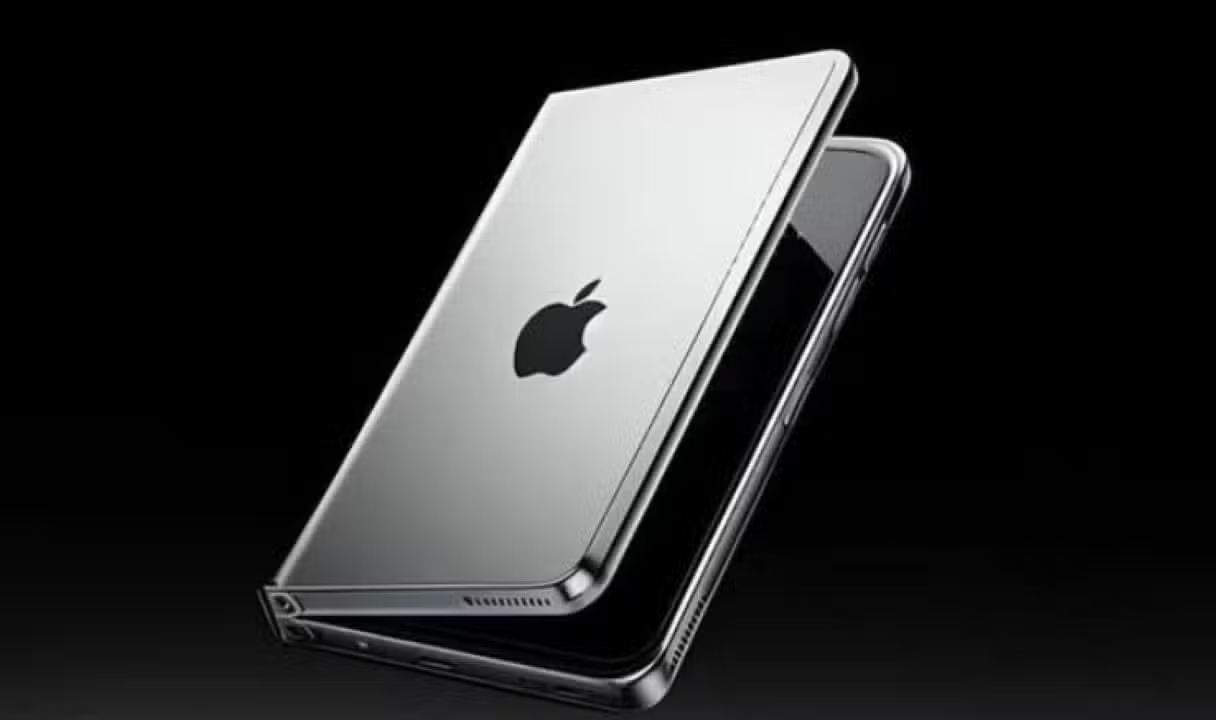
Apple officially entered the flexible device segment with the announcement of its first foldable smartphone. The equipment changes the North American manufacturer’s hardware engineering standard. The design integrates an ultra-thin chassis with an energy capacity higher than the industry average. The launch establishes new parameters for the mobile device category in 2026. The company responds to market demand for structural changes after successive incremental updates to its traditional formats.
Product development required a complete reorganization of the supply chain and assembly lines. The high production cost places the device at the top of the brand’s commercial catalog. Analistas from the technology sector had been monitoring the project behind the scenes for months. Rumors pointed to provisional nomenclatures such as iPhone Ultra or iPhone Air during the testing phase. The final version consolidates years of research into malleable materials and miniaturized components.
Arquitetura physics and materials used in the hinge
The new cell phone redefines the physical dimensions known in previous generations of flexible screens. The device measures exactly 9.5 millimeters thick when it is fully closed. Opening the main screen reveals a profile of just 4.5 millimeters. The visual impact is immediate. The drastic reduction in volume required a redesign of the motherboard. The memory modules have been adapted to fit into the restricted chassis space. Engineering discarded old parts to achieve these measurements.
The central folding mechanism uses liquid metal panels. The structure is reinforced with parts manufactured using high-precision 3D printing. The union of these elements guarantees the necessary rigidity against accidental twists and impacts from daily use. The mechanical system withstands hundreds of thousands of opening and closing cycles without demonstrating structural wear. The seal against dust and microscopic particles has received additional layers of protection. The durability of the equipment meets international certification criteria.
Gerenciamento power and advanced processing
Battery life has always been the main technical limit for foldable smartphones. The current design gets around this restriction by housing a 5,800 mAh power cell. The number exceeds the capacity installed in the vast majority of conventional phones available in stores. The electrical density increased thanks to new techniques for chemical packing of ions. The result is impressive. The consumer is guaranteed a full day of intense operation away from sockets. Recharging is quick.
The device’s thermal control follows the increase in electrical charge. The inside of the cell phone houses a processor built using 2 nanometer lithography. The chip delivers superior processing speed with considerably lower power consumption. Dissipating the heat generated by complex applications required the creation of an unprecedented cooling system. The temperature is distributed evenly throughout the metal housing. The mechanism prevents isolated areas from overheating when running heavy games or editing high-resolution videos.
Especificações new hardware techniques
The integration of cutting-edge components in a reduced physical space required specific engineering solutions. The hardware set balances raw performance with size constraints. The manufacturer detailed the main features of the equipment during the official presentation. The data confirms the technological leap in relation to the brand’s rigid models.



- Estrutura external with 9.5 millimeters in the folded format and 4.5 millimeters in the open position.
- Módulo high-density battery with 5,800 mAh nominal capacity.
- Main Câmera equipped with 48 megapixel sensor and low profile lens array.
- 2 nanometer Processador integrated with a state-of-the-art thermal dissipation system.
- Painel Dual-layer OLED with fold mark reduced to 0.15 millimeters deep.
The photographic module underwent rigorous adaptations to not exceed the phone’s thickness limit. The 48-megapixel main sensor records images with a high level of detail even in low-light scenarios. Computer software processing corrects any physical limitations imposed by flattened lenses. Video capture preserves the visual quality characteristic of the company’s products. Algorithms adjust focus and exposure in real time.
Engenharia of the display and reduction of visual imperfections
The quality of the visual experience on flexible panels often comes up against the mark left by the hinge. The new display minimizes the depth of the central crease to the 0.15 millimeter mark. The imperfection becomes practically imperceptible during everyday use. The technical advance results from the application of exclusive protective films. The screen takes on an internal teardrop shape when closed. Document reading and movie playback occur without distortion in the central area of the glass.
The display uses double-layer structured OLED technology. The panel emits light with greater energy efficiency and extends the useful life of organic components. The maximum brightness level reaches enough peaks to ensure reading in direct sunlight. Dynamic refresh rate adapts the fluidity of animations according to the application in use. Battery consumption decreases drastically when the user views static photographs. Color calibration meets the standards required by visual editing professionals.
Commercial Disputa in the high-cost device sector
The competitive environment of 2026 imposes significant barriers to the consolidation of the North American product. Samsung organizes the launch of Galaxy Z Fold 7 for the same period. The South Korean competitor promises to deliver an even smaller thickness, estimated at 4.2 millimeters. The battle for high-income consumer attention drives decisions in the global telecommunications industry. Chinese manufacturers are also putting pressure on the sector with more affordable devices and frequent hardware updates. The late arrival of Apple requires the delivery of a system free of design flaws.
The company’s sales tactic focuses on the exclusivity of the ecosystem. Massive spending on research, development and machinery impacts the final amount charged in stores. The cell phone occupies the super luxury shelf within the current portfolio. The supply chain operates with a conservative projection for the volume of the first manufacturing batch. The acceptance of this model by the public will define the brand’s launch schedule for the coming years. The commercial success of the device dictates the pace of the market’s definitive transition to flexible formats.
See Also em Latest News (EN)

Forza Horizon 6’s 156GB size on PC exposes Japan’s colossal scale and never-before-seen graphics
02/05/2026
PlayStation Plus catalog receives EA Sports FC 26 and new action titles in May
02/05/2026
Supercell distributes free rewards to Brawl Stars players during May 2026
02/05/2026
Supercell distributes 50 thousand gold coins and exclusive anniversary items in Clash Royale
02/05/2026
Xbox releases in May 2026 highlight Forza Horizon 6 in Japan and new games in the catalog
02/05/2026
Spirit airline prepares definitive closure of its operations after Trump administration denies bailout
02/05/2026
Developer CD Projekt RED makes official new game in the Cyberpunk franchise with a focus on technology and multiplayer
02/05/2026
Epic Games launches digital platform in Japan for iPhone users with Fortnite in the catalog
02/05/2026
IPhone 18 under pressure with escalating memory prices and warning from Tim Cook
02/05/2026
Family warns of Narges Mohammadi’s risk of death and demands hospital transfer
02/05/2026
File exploration in Diablo 4 code hints at imminent return of classic Legendary Cow level
02/05/2026