Toyota presents sixth generation of the RAV4 sports utility vehicle with 226 horsepower hybrid engine and renewed design


The Japanese vehicle manufacturer officially launched the sixth generation of the best-selling sports utility vehicle in its global lineup. The model undergoes a complete redesign of its architectural structure. The main change lies in the decision to definitively abandon engine options powered exclusively by combustion. From now on, the catalog adopts an electrified system in all factory configurations available to consumers.
The vehicle brings significant updates to its exterior appearance, aligning the product with the automaker’s new visual identity. The company’s global strategy seeks to maintain leadership in the compact utility vehicle segment in the face of growing competition. The project focuses on offering greater efficiency in fuel consumption and drastically reducing emissions of polluting gases into the environment. The first units are beginning to be distributed in the Asian market, with expansion scheduled for the América and Norte and other continents over the next few months.
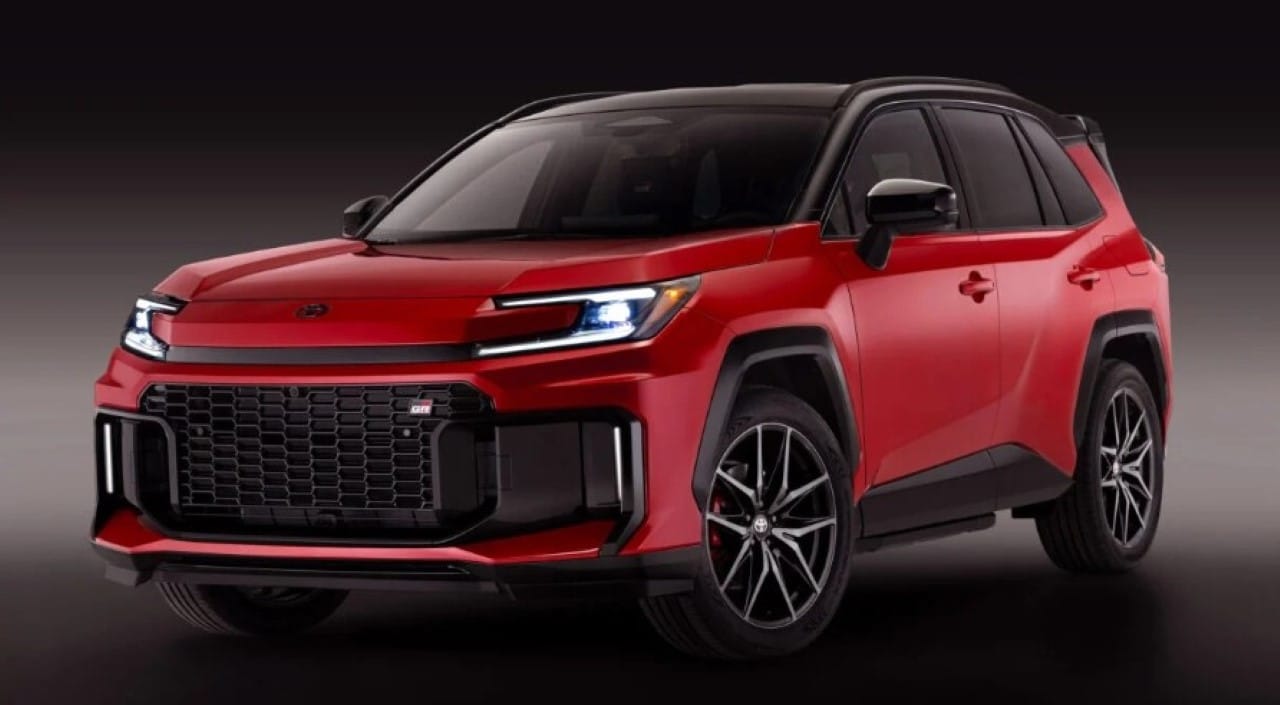
Identidade redesigned look and aerodynamic enhancement
The external design adopts the stylistic language known as the hammer shape. Essa characteristic stands out for aggressive frontal lines and striking creases on the body. The tapered LED headlights integrate perfectly into the radiator grille. The piece now appears printed directly on the front bumper. Essa change gives the car a more imposing stance on the streets. The configuration replaces the angular look of the previous generation with fluid, modern contours.
The industrial design team chose to soften the sides of the car. The decision created less pronounced creases on the doors, but maintained robust bumpers that house light alloy wheels with an enlarged diameter. At the rear, the optical array receives a continuous horizontal light signature. The light bar connects the lights from end to end of the trunk lid. The aesthetic feature has become standard in the brand’s recent launches and improves nighttime visibility for drivers following behind.
The bodywork changes underwent a long period of wind tunnel testing. The central objective involved optimizing the vehicle’s aerodynamic coefficient. The practical result of this engineering is reflected in the reduction of drag at high speeds. The air passage flows with less resistance across the metal surface. The improvement directly impacts the reduction of fuel consumption on highways and reduces wind noise that invades the passenger cabin during longer journeys.
Desempenho mechanical and electrified system efficiency
The standard mechanical package for all versions combines a 2.5-liter combustion engine with high-efficiency electric drives. The architecture forms an advanced parallel system. The driver has a combined power of 226 horsepower at his disposal. The number guarantees acceleration from zero to one hundred kilometers per hour half a second faster compared to the previous model. The continuously variable transmission manages the driving force. The all-wheel drive system distributes torque to the rear axle via an independent electric motor. The technology ensures maximum grip on low-friction surfaces, such as wet asphalt or dirt roads.
The automaker offers a plug-in hybrid version equipped with a higher-capacity lithium-ion battery for select markets. The configuration allows the vehicle to travel more than 100 kilometers using only electrical energy. The range perfectly suits daily urban commuting without pollutant emissions from the exhaust. The battery is charged using conventional residential sockets or public fast charging stations. Testes initial homologation points indicate an improvement of up to 15% in fuel consumption in urban cycles.
Inovações in digital panel and advanced security package
The cabin received a complete redesign to accommodate a new floating multimedia center. The display reaches up to 14 inches in top-of-the-line versions. The native operating system supports remote updates via the internet. The owner can correct software glitches and add new navigation features without having to schedule visits to the dealership network. Integration with mobile devices is completely wireless. The digital instrument cluster offers multiple customizable display options. The driver sees route data, engine energy flow and driving assistance alerts directly in his field of vision.
The selection of finishing materials prioritized rubberized surfaces and high-quality synthetic coatings. The interior space has subtly grown due to the clever repositioning of electrical components. Rear seat passengers gained more leg comfort. The volumetric capacity of the trunk has also increased to accommodate family luggage with ease. The active and passive safety package features the latest version of the driver assistance system. The technology combines long-range radar sensors and high-resolution cameras. Autonomous emergency braking identifies pedestrians, cyclists and motorcyclists at intersections, even in heavy rain or low light.
Adaptive cruise control works in conjunction with lane keeping assist. The system makes subtle corrections to the steering wheel to keep the vehicle perfectly centered in the lane. 360-degree Câmeras and modern acoustic sensors make maneuvering in tight spaces easier. The occupant protection package includes multiple airbags, especially the side curtains and a new central air bag designed to prevent collisions between front passengers in the event of a side collision.
Adaptação for the South American market and available versions
The presence of camouflaged prototypes on the highways of the América of the Sul confirms the advanced stage of tropicalization of the sports utility vehicle. The local engineering team works on calibrating the suspension to deal with the uneven asphalt characteristic of urban and rural roads in the region. The adjustment seeks the ideal balance between driving comfort for the occupants and directional stability at high speeds. Outro crucial point in development involves adapting the combustion engine to operate with the fuel mix available at local stations. The brand plans to launch a flex hybrid version capable of consuming ethanol in any proportion.
The dealership network has begun technical preparations to receive the new generation. The process includes the acquisition of specific tools and intensive training of after-sales teams. The catalog of options varies depending on the sales region. The main assembly guidelines include the following equipment packages:
- Entry-level Nível: focus on energy efficiency, smaller diameter wheels and highly durable fabrics on the seats.
- Nível adventurer: suspension with specific calibration, reinforced roof rack and traction control adapted for dirt.
- Nível premium: panoramic sunroof, luxury brand signature sound system, electrically adjustable seats and climate control.
Starting prices in the North American market start at US$31,900. The value reflects the repositioning of the product after the inclusion of a vast package of standard technologies. The sports utility vehicle will face stiff competition from direct rivals of Asian and European origin that have also undergone extensive renovations recently. The original model debuted in the 1990s as one of the absolute pioneers in the segment. The current generation consolidates the definitive transition to electrification, built on a modern global modular platform focused on carbon neutrality.