
Online retailer cuts price of Galaxy Watch 8 Classic to less than half its original price


E-commerce platform Woot has started a round of aggressive liquidations for Samsung’s line of smartwatches. The main focus of the action is on the Galaxy Watch 8 Classic. The device suffered a significant cut. Ele now costs $199.99. The original value of the equipment at launch was US$500. The US$300 reduction places the premium model in a similar cost range to the entry-level versions of the same generation.
The commercial strategy generated a spike in hits on the website and accelerated the depletion of available stocks. The retailer uses this sales format to liquidate inventory quickly. Consumidores monitor these windows of opportunity to acquire cutting-edge electronics at a reduced cost. The movement reflects the dynamics of digital retail in 2026. Lojas seek to quickly rotate products ahead of new announcements from the technology industry.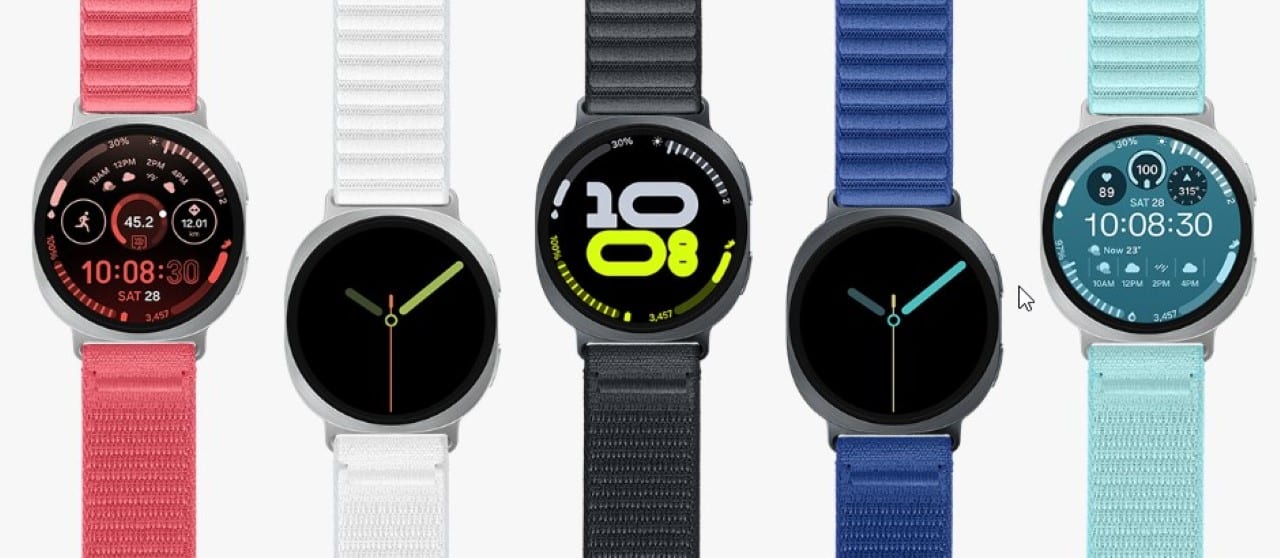
Detalhes of the promotion and models available on the platform
The promotional campaign covers different configurations of the South Korean manufacturer’s wearable family. The Classic model attracts most buyers due to its refined finish and physical rotating ratchet. The standard version of the watch also received adjustments in the amounts charged. Reductions vary depending on the size of the equipment box.
The cuts reach US$170 compared to the brand’s official price list for conventional editions. The virtual store structured its offers to serve both the public looking for smaller displays and users who prefer large screens. The list of devices with changed prices presents the following purchase options:
- Samsung Galaxy Watch 8 Classic retails for US$199.99.
- Samsung Galaxy Watch 8 with 40mm case starts at $200.
- Samsung Galaxy Watch 8 with 44mm case costing US$210.
Price leveling creates an atypical situation in the store catalog. The Classic edition, traditionally the most expensive in the line, appears with a value lower than or equal to the basic models. Market Analistas point out that this reversal frequently occurs in stock burns of specific lots. The availability of colors and bracelet types varies depending on the daily demand on the platform.
Diferenças warranty and origin of international devices
The attractive price requires attention to the technical details of the purchase. The watches sold in this specific Woot action are classified as international models. The internal hardware and software features remain identical to the devices officially sold in the North American market. The central difference lies in after-sales support.
Activating the manufacturer’s standard warranty may present obstacles for equipment imported in this manner. The store gets around this limitation by offering its own coverage to buyers. The company guarantees the functioning and integrity of the watches for a period of 90 days after delivery. The device arrives to the customer in original packaging and in new condition.
The consumer needs to evaluate this restriction before paying. The $300 savings is worth the risk for many users. Outros customers prefer to pay the full amount to maintain long-term support from the brand. The final decision depends on the usage profile and tolerance for possible future maintenance costs.
Comparativo of values with official and competitor channels
The price discrepancy is evident when looking at the manufacturer’s direct sales channels. The official Samsung website has the Galaxy Watch 8 Classic listed for $369.99. Purchasing directly from the brand includes additional benefits. The customer receives free shipping, full technical support and the ability to customize the style of the bracelet at the time of ordering.
Amazon, the parent company of Woot, also operates with its own pricing dynamics. The retail giant even offers the same watch for US$199.99 in very specific configurations and at specific times. Amazon offers usually include a two-year extended warranty. Availability under these conditions, however, fluctuates daily and depends on the platform’s algorithm.
The electronics market operates with narrow margins and strong competition among distributors. The aggressive pricing strategy forces rivals to revise their own pricing. Lojas department technicians find it difficult to match discounts of this magnitude. E-commerce consolidates its advantage in the sale of high-value-added products.
Impacto from liquidations in the wearable technology market
The cheaper price of premium smart watches changes consumer behavior in the technology sector. Dispositivos equipped with advanced health sensors become accessible to a larger portion of the population. Continuous monitoring of heart rate, blood oxygenation and sleep quality is no longer exclusive to niches with high purchasing power.
The rapid uptake of these stocks demonstrates the strength of the wearables category. The modern consumer sees the smart watch as an essential extension of the smartphone. Integration between devices makes it easier to manage notifications and monitor daily physical activities. Fabricantes invests in closed ecosystems to build customer loyalty through convenience and data synchronization.
The scenario indicates that the price factor continues to be the main driver of conversion in electronics sales. Promoções structured with transparency about the origin of the product are highly receptive. The wearable device market is expected to maintain the growth momentum driven by these settlement windows. The democratization of access to technology advances through the gears of digital commerce.





