
Apple introduces new smartphone with transparent back and long-lasting battery to the market

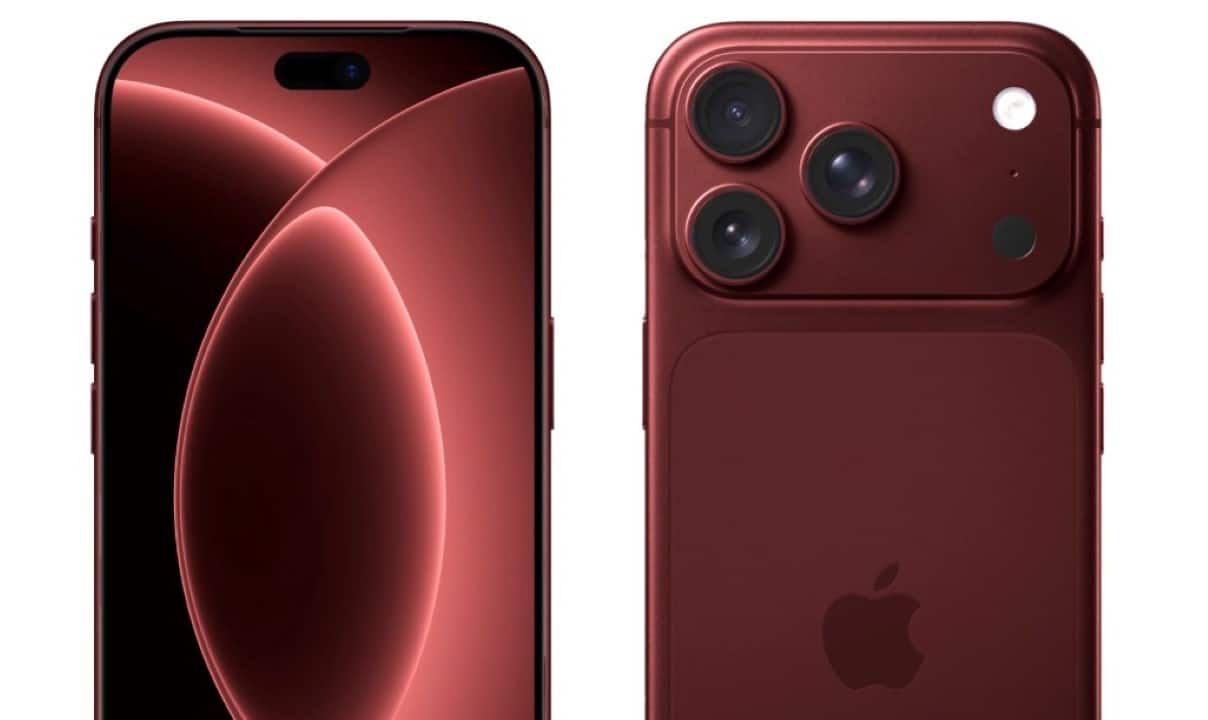
Apple announced the launch of a new smartphone aimed at the international market, characterized by a transparent back panel and an extended capacity battery. The device introduces a significant visual change to the company’s product line. The structure combines aerospace-grade materials with textured glass to showcase the device’s internal components in a unique way. The model also responds to consumers’ frequent demands for greater energy autonomy in daily use, integrating new energy storage technologies.
The decision to change the aesthetic standard accompanies a complete redesign of the equipment’s internal architecture. Engenheiros needed to rearrange boards, connectors and processing modules to ensure a clean and symmetrical visual appearance under the translucent glass. The distribution of the product will occur simultaneously on several continents, requiring a large-scale logistical operation. The launch aims to consolidate the brand’s presence in the premium device segment through differentiation through design and durability of components.
Innovative Design exposes internal components with titanium finish
The chassis of the new equipment uses aerospace titanium on the side edges and support structure. Este material guarantees lightness and extreme structural strength to the mobile phone. The main aesthetic change lies in the rear cover, manufactured with a special, highly durable glass that allows direct viewing of the logic board and the magnetic charging ring. The brushed titanium contrasts with the translucent glass, creating a visual identity distinct from the manufacturer’s previous models.
Para To enable transparency without compromising usability, the development team applied a micro-textured matte finish to the outer surface of the glass. The specific treatment prevents fingerprints and grease stains during continuous handling of the device. Assembly of this part requires clean rooms with strict particle control in factories. The controlled environment prevents microscopic dust grains from becoming trapped under the transparent panel and damaging the final finish of the product.
Exposing the interior of the device required the development of darkened flat cables and thermal protection shields with a symmetrical design. Cada visible weld and screw has undergone an anodizing process to match the device’s industrial color palette. The company has invested in new sealing techniques to ensure that the glass back maintains water and dust resistance certification. The gluing process uses industrial adhesives cured by ultraviolet light to fix the panel without leaving visible residue.
Capacidade energetic reaches unprecedented milestone in the device line
The new organization of the internal space allowed the inclusion of a battery with a capacity of 5200 mAh. The component represents the largest volume of energy storage ever integrated into this specific category of the brand’s phones. Para achieve this number without increasing the overall thickness of the chassis, the manufacturer adopted stacked battery cell technology. The method optimizes every cubic millimeter available in the rear compartment. Superior energy density ensures additional hours of continuous use in tasks that require high data processing.
The thermal management system required extensive adaptations to handle the new high-capacity power cell. Placas graphite heat sinks have been strategically repositioned around the main processor and battery module. The device supports advanced fast cable charging and high-power magnetic induction protocols. Sensores internals monitor temperature in real time to prevent overheating during the heaviest load cycles.
The useful life of the energy component also received optimizations through software algorithms integrated into the operating system. The system learns the user’s daily charging routine and adjusts electrical current flow to reduce chemical wear on lithium-ion cells. The combination of efficient hardware and intelligent software maximizes the device’s active screen time. Consumidores that use GPS navigation and high-resolution video recording see the greatest positive impact of this hardware upgrade.
Arquitetura processing and updated camera system
The raw performance of the smartphone depends on a state-of-the-art processor manufactured using three-nanometer lithography. The microchip works together with 12 GB of high-speed RAM. The combination provides enough bandwidth to run complex editing and heavy data processing applications in the background without choking. The processor’s built-in neural engine accelerates machine learning tasks directly on the device.
- The front panel uses OLED technology with variable refresh rates to save energy when reading texts.
- Screen size options range from 6.3 inches in the standard model to 6.9 inches in the extended dimensions version.
- The photographic system includes significant improvements in dynamic range for captures in low-light environments.
- The front glass has an additional layer of ceramic crystals to protect against accidental drops and scratches.
The rear photographic set maintains the focus on capturing images in very high resolution. The main sensor has 48 megapixels and lenses with an anti-reflective coating to avoid distortions caused by direct light sources. The image processing engine applies automatic color, contrast and sharpness corrections in the exact fraction of a second of the click. Microphones built into the chassis capture directional spatial audio for studio-quality video recordings.
Estratégia global distribution and high precision assembly
The new model is manufactured in industrial facilities equipped with high-precision machinery. Linhas automated assembly systems use calibrated robotic arms to position the transparent glass panel with millimeter accuracy on the titanium structure. Quality control involves computer vision inspections at multiple stages of the production process. The method identifies microscopic alignment flaws before definitively closing the chassis.
Large-scale production began months before the official announcement to ensure the volume needed for the international market. Global distribution logistics require complex coordination between Asian factories, customs sorting centers and cargo airlines. Lotes of the smartphone are shipped on sealed pallets and monitored via satellite to regional distribution centers located at América of Norte, Europa and América of Sul.
Logistics planning aims to avoid product shortages in the first weeks of availability on retail shelves. Sistemas supply chain tracking monitors the movement of units from leaving the production line to arriving at authorized points of sale. The final packaging process uses exclusively recyclable materials and pressed cardboard fibers. The initiative completely eliminates the use of single-use plastics in device housings, aligning industrial operation with modern environmental guidelines for solid waste reduction.




