
Simulations reveal why early galaxies glowed so brightly in the young cosmos

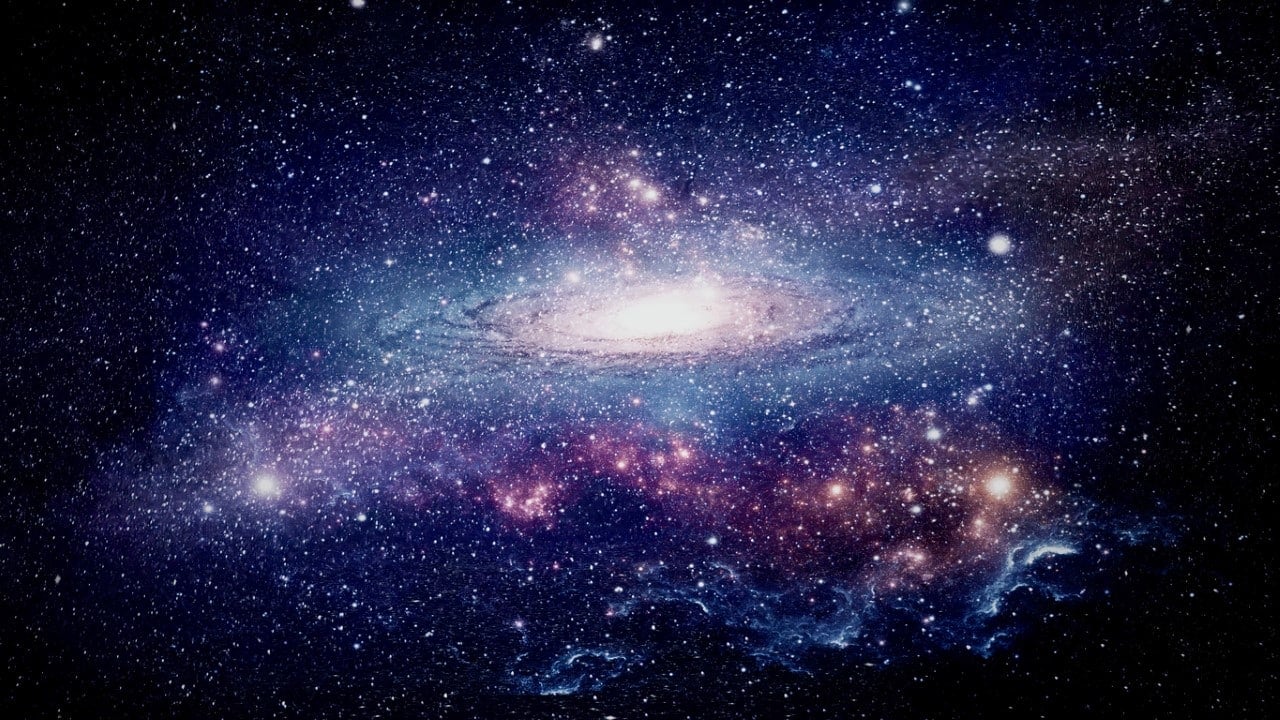
Modelos computational research reveals that galaxies in the universe’s first billion years consumed gas at extraordinary speeds, explaining why they shined much brighter than previous theories predicted. Observações of Telescópio Espacial James Webb confirm that these structures were larger and brighter than expected, like teenagers in a kindergarten classroom. The discovery forces astronomers to completely rethink how star formation occurred in the youngest epoch of the cosmos.
Pesquisadores of Instituto Nacional Italiano of Astrofísica and Observatório Europeu of Sul used simulations called ColdSIM to track the behavior of the gas in the first billion years after Big Bang. The results show that the cosmic gas has undergone a dramatic transformation. At first, it was predominantly cold and dense — an ideal environment for forming stars. But as reionization advanced and ultraviolet radiation spread, the gas became hot and less dense, fundamentally altering the pace of galaxy evolution.
Máquinas stars more aggressive than the model predicted
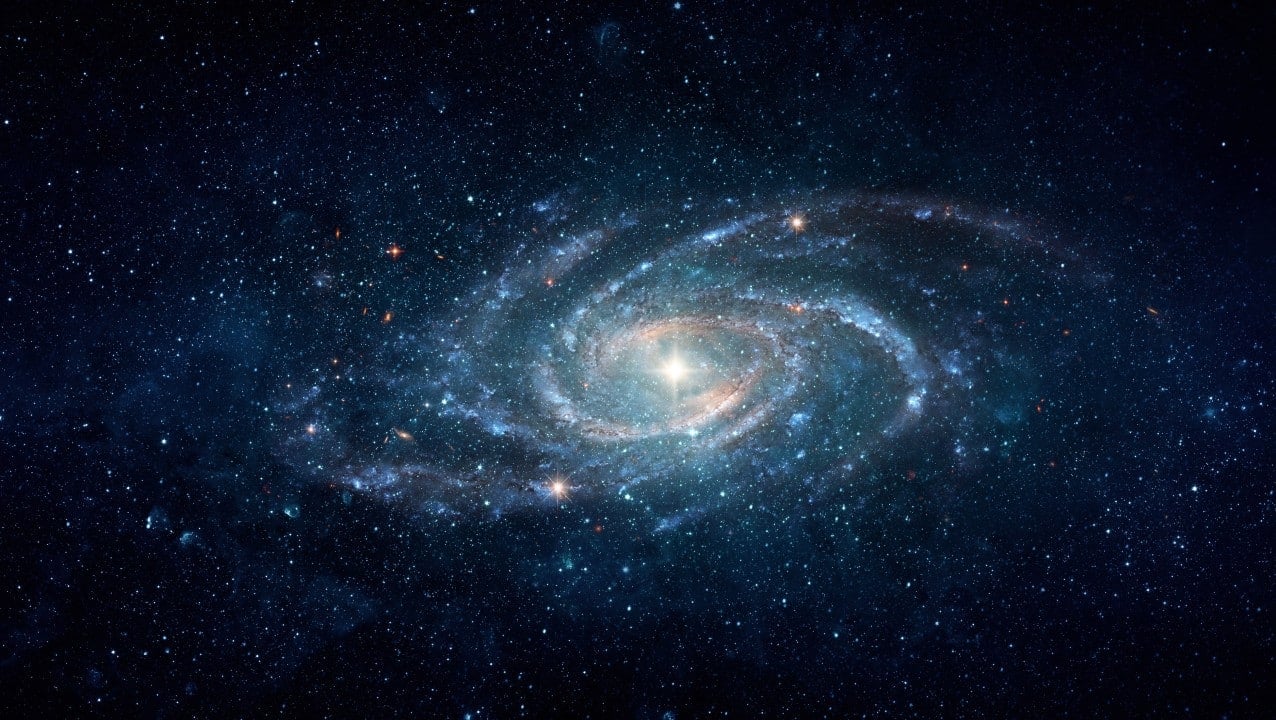
Previous Descobertas suggested that young galaxies were active, but the JWST data revealed an even more extreme reality. Umberto Maio and Céline Péroux found that depletion times — the period needed for a galaxy to convert all of its gas into stars at the current rate — were incredibly short. Muito smaller than observed in contemporary galaxies. Essas primitive structures functioned like star-forming machines, devouring cosmic fuel and expelling stars with furious intensity.
The gas that fueled this production came mainly from hydrogen in gigantic clouds that continually fell from the cosmic web. Today’s Diferentemente, when stars die and recycle material back into the surrounding gas, in the early universe this recycling was much less efficient. The stellar return fraction — the amount of material that stars eject when they die — was surprisingly low. Novas generations of stars formed almost exclusively from fresh gas from the outer cosmos, not from recycled stellar debris.
Reionização marked the cosmic tipping point
The epoch of reionization acted as a watershed in the history of the early universe. Antes her, the gas was mostly cold and opaque. Depois, transformed into a warm and less dense environment. Essa transition occurred when star formation intensified and ultraviolet radiation began to spread rapidly across the cosmos. ColdSIM simulations carefully tracked this journey, avoiding common computational shortcuts that lead to inaccurate results.
What emerged from the calculations was a much more dynamic picture than previous models suggested. Não was just about changing temperature — the transformation fundamentally altered how galaxies evolved. Radiation from the first stars heated the gas, reducing its density and affecting the entire chain of events that led to the formation of new stellar generations. Como if the universe had gone from a calm, cold morning to a sunny, busy afternoon.
JWST’s Observações confirms cosmic precocity
Telescópio Espacial James Webb provided direct observational evidence corroborating the simulation findings. The images show galaxies in the early universe being even brighter, larger and more developed than theoretical models had predicted. Essa’s cosmic precocity suggests that star formation processes were much more efficient and accelerated in those early days. The data challenge fundamental assumptions about how baryonic matter — that which makes up stars, planets and galaxies — was distributed and behaved in the early cosmos.
Observations include:
- Galáxias detected with stellar masses 10 to 100 times greater than predicted
- Stellar production Taxas significantly higher than previous models estimated
- Estruturas already formed just a few hundred million years after Big Bang
- Níveis ultraviolet luminosity consistent with aggressive star formation
- Concentrações of molecular gas indicating rapid consumption of cosmic fuel
Revisão required of galactic evolution models
The discrepancy between theoretical predictions and actual observations forces a profound reconsideration of how astronomers understand galaxy formation. Current models assume that gas falls into dark matter halos, cools and ignites to form stars in a relatively controlled process. ColdSIM simulations and JWST data suggest a much more violent and accelerated process. Astrônomos now question whether they are adequately capturing the physics that govern these extreme systems.
Maio and Péroux discovered surprising revelations when tracking different types of gas in simulations. Material recycling was so inefficient that most new fuel came directly from the cosmic web, not from stellar waste. Isso means these early galaxies had access to constantly renewed supplies of virgin gas. Combinado with environments still relatively cold before complete reionization created a perfect scenario for bursts of star formation. Era like a construction site constantly receiving new materials instead of reusing previous demolitions.
Essas’s findings represent a significant step forward in understanding how the universe evolved from its earliest moments to the complex structure we observe today. Cada galaxy we see now bears the imprint of these primordial events, shaped by the extreme conditions and wild processes of the first billion cosmic years.





