
What is the moon phase today? see the phases of the moon in 2026

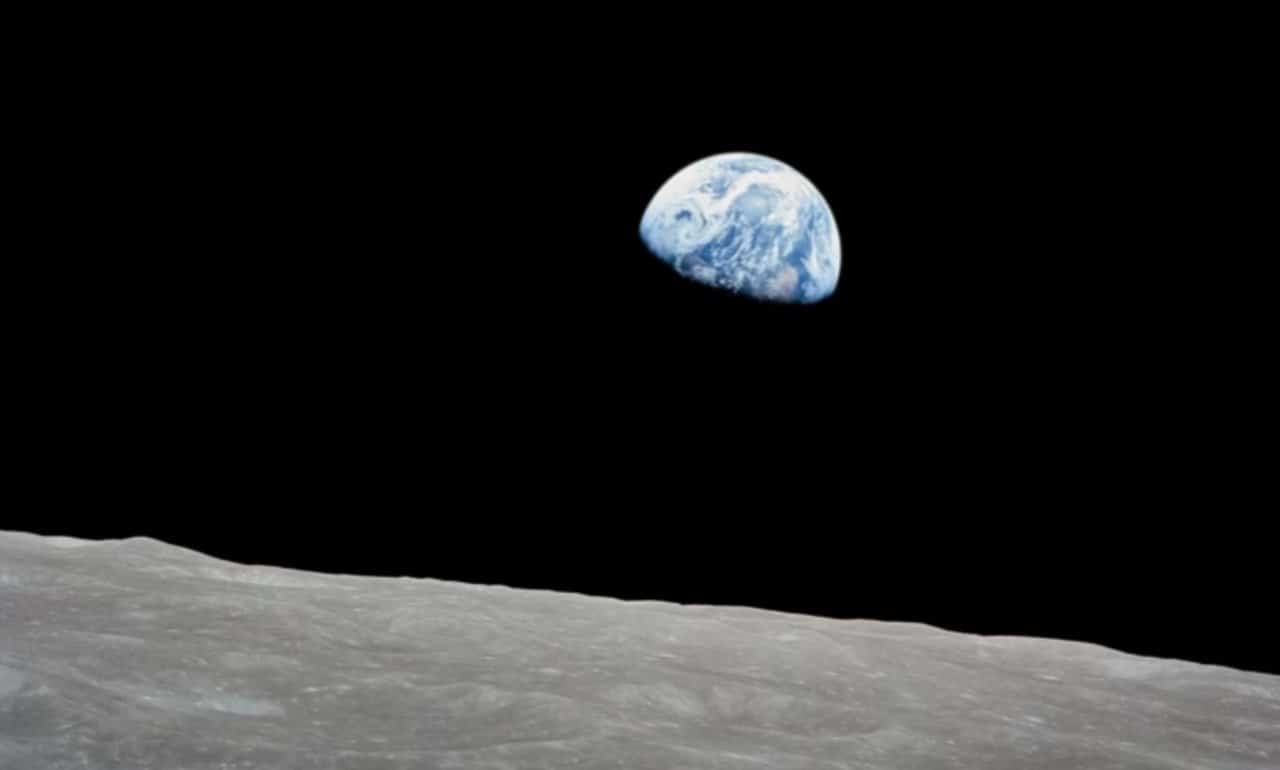
Neste May 5, 2026, Lua is in the gibbous waning phase with 87% of its surface illuminated. The natural satellite completed 18 days of its lunar cycle and follows the astronomical pattern expected for this time of year, offering good conditions for night observation.
The gibbous waning phase is characterized by the gradual decrease in the illuminated area after the peak of full Lua. Nesta configuration, more than half of Terra’s visible lunar face remains receiving direct sunlight, but the amount of illumination decreases day by day until it reaches the next phase change.
Datas highlights of the lunar cycle in May
The month of May 2026 features four important milestones on the lunar calendar. The full Lua occurred on the 1st, when the satellite reached its maximum illumination. The third quarter, or last quarter, is scheduled for the 9th at 5:11 pm ET. Posteriormente, the new Lua will arrive on the 16th, marking the point of lowest visibility. The first quarter is scheduled for May 23rd.
Esses events repeat approximately every week, creating the cyclical pattern that governs nighttime brightness variations. The regularity of these changes allows astronomers and amateur observers to accurately plan their skywatching activities.
Como the eight lunar phases occur
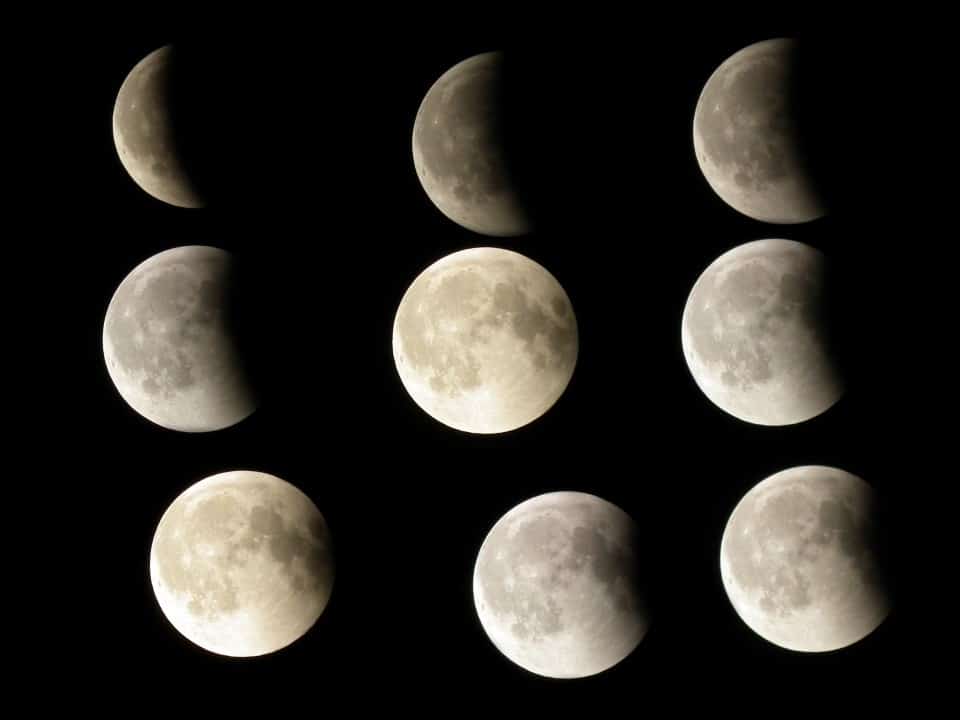
The complete Lua cycle comprises eight distinct phases over approximately 29.5 days. Tudo starts at the new Lua, when the satellite is positioned between Terra and Sol, becoming practically invisible. From that point on, the illuminated side grows progressively during the crescent phase, going through the first quarter until reaching full Lua, when it is 180 degrees from Sol.
Após reaches peak illumination, the process reverses. Lua enters the waning phase, gradually decreasing its visible luminosity. Passa through the last quarter, also called the third quarter, and continues to decline until returning to the new Lua. Essa repetitive sequence marks the passage of time in the night sky and influences various natural phenomena.
Cada transition lasts approximately seven days, allowing observers to track nighttime visual changes with relative ease. Lua never stays in the same phase for many days in a row; its orbital movement around the Terra ensures constant transformation of its appearance.
Observação of Lua waning gibbous
Durante the gibbous waning phase, Lua is visible during much of the night, presenting a well-illuminated disk. Nesta May specific configuration, with 87% brightness, the satellite offers excellent opportunities for telescopic observation. The contrast between illuminated and shadowed areas of the lunar surface is well defined, making it easier to see craters and reliefs.
- Melhor observation period: dawn and early morning
- Current Iluminação: 87% of lunar disk visible
- Tempo until next phase change: 4 days (Q3 May 9)
- Astronomical Condições: favorable for basic telescopes and naked-eye observation
Lua rises later each night during the waning phase, disappearing from the afternoon sky and concentrating its visibility in the early morning hours. Este pattern continues until the third quarter, when only the left half of Lua will be illuminated as seen from Terra.
Calendário complete from May to December 2026
The year 2026 features a detailed lunar calendar that allows advance planning of astronomical observations. Junho brings the full Lua on the 1st, followed by Q3 on June 8th. Julho offers changes on the 7th with a last quarter and Lua new on the 14th. Agosto concentrates events between the 5th and 12th, with fast cycles.
Setembro marks transitions on the 4th, 10th, 18th and 26th. Outubro distributes its phases between the 3rd, 10th, 18th and 25th. Novembro brings new Lua on the 1st, waning quarter on November 4th and full Lua on November 8th. Dezembro ends the year with events on the 1st, 8th, 17th, 23rd and 30th.
Este accurate calendar allows amateur astronomers, astrophotographers and occasional observers to plan their activities according to the lunar cycle. Specific Fenômenos like lunar eclipses occur when the Earth’s shadow crosses the face of Lua during the full phase.
Compreensão scientific phases
The Lua, like the Terra, is a sphere that receives constant illumination from the Sol. The phase cycle results from the relative positioning of the satellite in relation to our planet and the star. Conforme to Lua orbits Terra throughout its 27.3 day orbital period, the terrestrial observer sees different proportions of the illuminated half.
The lunar orbit does not exactly coincide with the Earth’s orbital plane around Sol. Essa slight tilt explains why lunar eclipses do not occur with each full Lua. Quando there is perfect alignment between Sol, Terra and Lua, the earth’s shadow crosses the lunar disk, creating the eclipse phenomenon. Esses events remain rare precisely because most full Luas events occur without this ideal alignment.
The Luz reflected by Lua is sunlight bouncing off its rocky surface. Durante to Lua new, only sunlight refracted through the Earth’s atmosphere (barely visible) illuminates the satellite. Increasing Na Lua increases the proportion of reflected light as more than the illuminated half becomes visible. Na Lua full, the satellite reflects the maximum available sunlight.





