
2026 astronomical calendar details satellite with 87% illumination in the waning gibbous phase

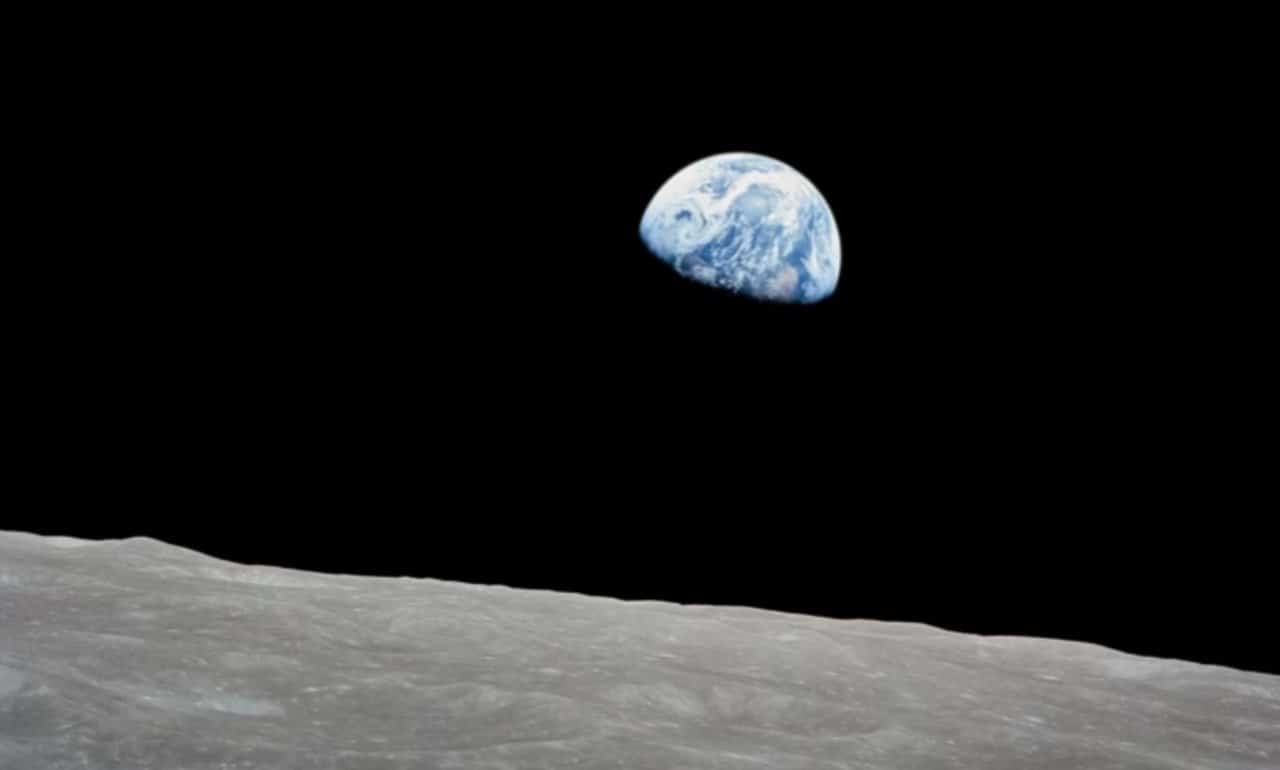
The night sky offers a continuous spectacle of visual transformations for terrestrial observers over the millennia. Orbital dynamics ensure that the natural satellite’s appearance changes daily, creating a reliable pattern that guided ancient civilizations and continues to guide modern science. The cosmic ballet between celestial bodies results in a precise play of lights and shadows.
Neste May 5, 2026, the celestial body is in the waning gibbous phase. The surface has exactly 87% of its area illuminated by Sol. The current cycle has completed 18 days of evolution since its beginning. Astrônomos find excellent conditions. The astronomical pattern follows the regularity expected for the fifth month of the year, allowing detailed studies of the lunar relief during the autumn dawns in the southern hemisphere.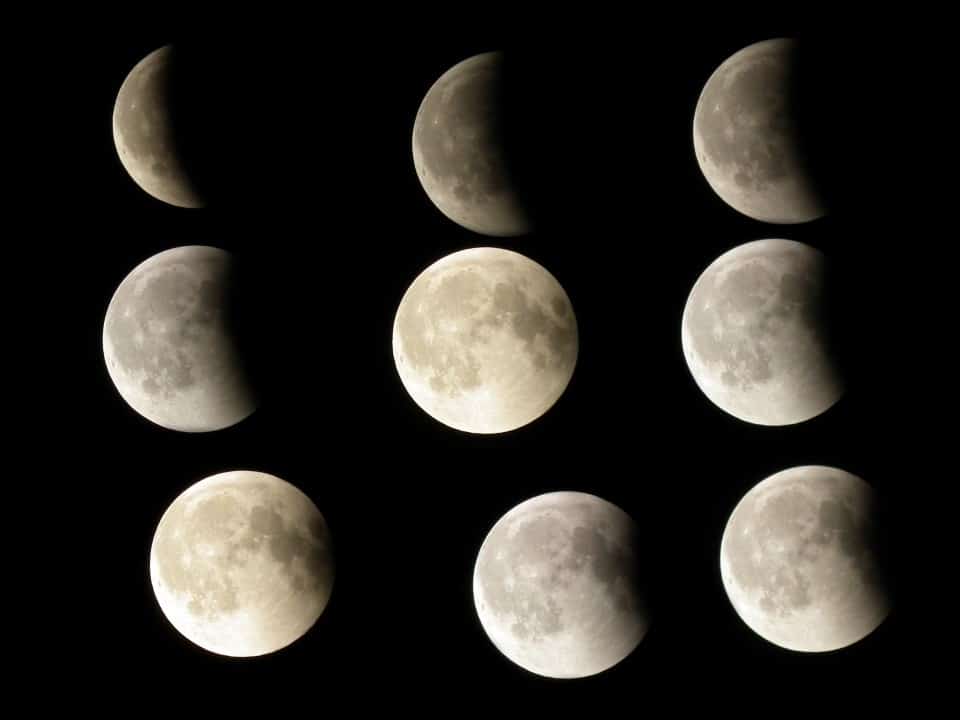
Dinâmica of illumination during the waning period
The gibbous waning configuration occurs shortly after the peak of monthly luminosity. The phenomenon is characterized by the gradual reduction of the visible face from Terra. Mais of half of the lunar disk remains receiving direct sunlight at this particular time of the month. The amount of brightness decreases each night. The ongoing process sets the stage for the next major transition of the cosmic calendar.
Durante this specific stage, the contrast between the light and dark regions gains absolute prominence. The dividing line between lunar day and night, technically known as the terminator, makes it easier to identify craters and mountains. Basic Telescópios can capture stunning details of rocky topography. The celestial body is born progressively later each day. Visibility is concentrated in the hours before dawn.
Scientific observation benefits immensely from this angle of sunlight. The shadows cast by geological formations reveal the depth of the impact basins. Pesquisadores uses this period to map variations in the satellite’s crust. The visual spectacle attracts thousands of enthusiasts to public parks and observatories. The absence of light pollution in rural areas enhances the experience of contemplating the sky.
Marcos timelines scheduled for May 2026
The current month focuses on four fundamental events in marking astronomical time. Luminous totality occurred on the first day of May, lighting up the skies with maximum intensity. The next significant stage occurs soon. The waning quarter is calculated for the 9th. The exact time points to 5:11 pm, considering the Estados Unidos east coast time zone, serving as a reference for global calculations.
The sequence of transformations progresses quickly over the following weeks, altering the nighttime landscape. Almost total invisibility marks the middle of the month, opening up space for the observation of distant galaxies. Proper planning requires attention to the specific dates of orbital changes.
- Totalidade luminous recorded on the 1st with maximum brightness in the sky.
- Terceiro room scheduled for May 9th during the afternoon.
- New Fase scheduled for the 16th with very low terrestrial visibility.
- Primeiro quarter set for May 23, restarting visual growth.
The weekly repetition of these events dictates the rhythm of ocean tides and influences several coastal ecosystems. Observadores amateurs use this predictability to organize astrophotography sessions with specialized equipment. The mathematical regularity of the solar system allows precise calculations about orbital positioning for decades to come.
Mecânica celestial and the 29 day cycle
The complete route encompasses eight distinct visual stages recognized by the international scientific community. The synodic period lasts approximately 29.5 Earth days. The journey begins again when the satellite aligns between our planet and the system’s central star. The face facing Terra is immersed in deep shadows. Luminous growth begins soon after. The crescent phase expands the bright area until it reaches the exact 180 degree opposition.
The translational movement around the globe takes 27.3 days to complete. The difference between the periods occurs due to the simultaneous displacement of Terra through outer space. The inclination of the lunar orbit prevents eclipses from occurring monthly. Perfect three-dimensional alignment is an extraordinary mathematical rarity. The Earth’s shadow crosses the silver disk only under strict geometric conditions during luminous totality.
The light observed at night consists entirely of solar radiation reflected by cosmic dust. The rocky surface acts like a giant spherical mirror suspended in a vacuum. The proportion of reflection varies depending on the viewing angle of the observer positioned on the Earth’s surface. The visual spectacle depends exclusively on this complex spatial geometry that governs the mechanics of celestial bodies.
Projeções astronomical until the end of the year
The second half of 2026 mapping provides a complete guide for ongoing nighttime tracking. Junho begins with full luminosity on the 1st, followed by the third quarter on the 8th. The month of July presents the new phase on the 14th, ideal for observing meteor showers. Agosto concentrates its main changes in the first fortnight. Rapid cycles require attention from researchers. Setembro distributes its transitions evenly on the 4th, 10th, 18th and 26th.
The last quarter of the year maintains the relentless precision of the cosmic clock. Outubro records significant changes on the 3rd, 10th, 18th and 25th. Novembro stands out for the absence of lighting on the first day of the month. The last quarter occurs on November 4th. Luminous totality returns with full force on November 8th, dominating the celestial vault.
Dezembro ends the annual calendar with five crucial dates for observational astronomy. The events are distributed over the 1st, 8th, 17th, 23rd and 30th, closing the 2026 cycle. Advance planning ensures maximum use of clear nights. Institutos research uses these ephemerides to calibrate advanced measuring instruments. The systematic observation of the natural satellite consolidates human understanding of the dynamics of the universe.




