
After peaking in the early morning, the Eta Aquárids meteor shower can still be observed in the coming days


The Eta Aquáridas meteor shower has already experienced its greatest intensity in the early hours of this Wednesday. The day has dawned on Brasil, but the phenomenon remains active. Partículas left by comet Halley continue to enter the Earth’s atmosphere and may produce luminous trails in the coming dawns.
The radiant of the rain is in the constellation Aquário. Meteoros appear to emerge from this direction, although they appear all over the sky. In the southern hemisphere visibility conditions are better. Quem searches dark places yet has the opportunity to record dozens of events per hour on favorable nights.
Período activity extends until the end of May
The rain began on April 19th and remained active until May 28th. The peak occurred in the early hours of May 6, but the meteor rate remains high in the following days. Observadores who were unable to leave in the early hours of today can try in the early hours of Thursday and Friday. The waning gibbous Lua gradually loses strength and interferes less as the days go by.
- Busque points away from urban lighting to reduce light pollution
- Aguarde 20 to 30 minutes for the eyes to completely adapt to the dark
- Evite use cell phone or any white light during observation
- Deite in reclining chair or blanket to cover more of the sky
- Direcione the gaze about 45 degrees away from the radiant in Aquário
- Leve wear a coat, as temperatures drop a lot in the early morning of May
- Verifique the weather forecast to choose nights with clear skies
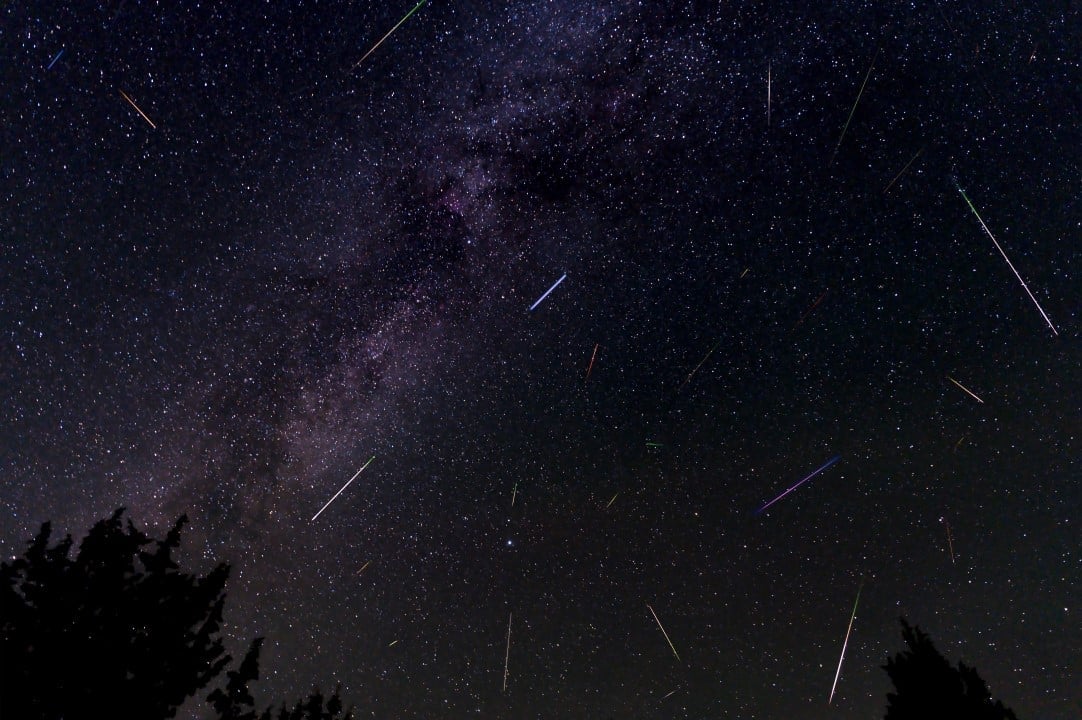
Comet Detritos Halley forms annual phenomenon
The meteors appear when Terra crosses the dust trail left by comet Halley in previous passes. The comet orbits Sol every 76 years. The last visible approach occurred in 1986. The next is scheduled for 2061. The particles that generate Eta Aquáridas are remnants of centuries ago. Elas enter the atmosphere at approximately 66 kilometers per second.
Essa high speed causes meteors to leave long, bright streaks. Muitos produce persistent tails that last several seconds. Alguns even shine enough to be classified as bolides. The rain is named after the star Eta Aquarii, the point from which the trails appear to radiate.
Comet Halley is one of the most famous in history. Registros Ancient Chinese, Babylonian and European documents their appearances over millennia. In 1066, his passage was recorded in Tapeçaria of Bayeux. Edmond Halley predicted periodic return in the 17th century. Agência Espacial Europeia’s Giotto probe passed close to the nucleus in 1986 and sent back the first detailed images.
Dicas practices increase the chances of a good observation
Observation requires patience and preparation. Fique on site for at least an hour or two. Meteoros appear in irregular bursts. Ideally, you want to look at a large area of the sky, not just the radiant. Apps astronomy charts show the exact position of Aquário and alert you about Lua’s sunrise times.
Evite very cloudy nights or with rain forecast. Locais such as parks, farms or beaches away from cities offer better conditions. Leve flashlight with red light to avoid disturbing the eyes’ adaptation. A thermos with a hot drink helps you face the cold. Amateur astronomy Grupos organize collective sessions and share tips in real time.
Quem has a camera and can try to record the meteors. Configure the camera in manual mode, with high ISO, large aperture and exposure of 10 to 30 seconds. Tripé is essential. Muitos amateur records end up contributing to scientific databases.
Impacto from Lua and year-over-year variations
Neste year, the waning gibbous Lua with about 80% illumination reduced the number of meteors visible during the peak. Under ideal conditions, without Lua and in dark skies, the southern hemisphere can record up to 50 or 60 meteors per hour. The real rate is lower because of lunar clarity. Mesmo thus, the brightest meteors still appear.
Rain varies in intensity depending on the year. In some periods, resonances with Júpiter increase particle density. As Eta Aquáridas are known to produce a high percentage of meteors with persistent tails. Isso makes them especially beautiful for observation and photography.
Outras meteor showers throughout the year
As Eta Aquáridas are not the only ones. The annual calendar includes dozens of events. As Perseidas in August and Geminidas in December are usually more famous in the northern hemisphere. In the south, the Eta Aquáridas stand out for their good visibility before dawn. Outra rain associated with Halley is Oriônidas, in October.
Astrônomos amateurs and professionals follow all these events. Redes cameras around the world record trajectories and calculate orbits. The data helps to understand the evolution of Sistema Solar and the risks of greater impacts.
História from meteor observation on Brasil
Brasil has a tradition in amateur astronomy. Clubes and observatories spread across the country promote sessions open to the public. In recent years, interest has grown with access to apps and live streaming. Relatos from observers in different states help map actual rain activity. Algumas City halls and state parks open areas for night observation during events like this.
NASA’s Cientistas and Agência Espacial Brasileira track meteor showers. The collected data contributes to models of the space environment. Partículas from comets also provide clues about the composition of materials that existed at the beginning of Sistema Solar.
Como contribute to citizen science
Qualquer person can participate. Aplicativos and American Meteor Society allow recording times and characteristics of meteors seen. Fotos and timestamped videos help researchers. Mesmo simple reports, such as approximate number of tracks per hour, are useful. Comunidades online exchange experiences and organize observation challenges.
The meteor shower reinforces the fascination with the sky. Ela remembers that Terra is in constant motion within a cloud of cosmic debris. Para Many, the experience of seeing a bright streak cross the dark sky is worth the effort of waking up early or going to bed late.





