
Earth’s orbital passage through debris from Halley’s Comet drives maximum peak of Eta Aquarids rain

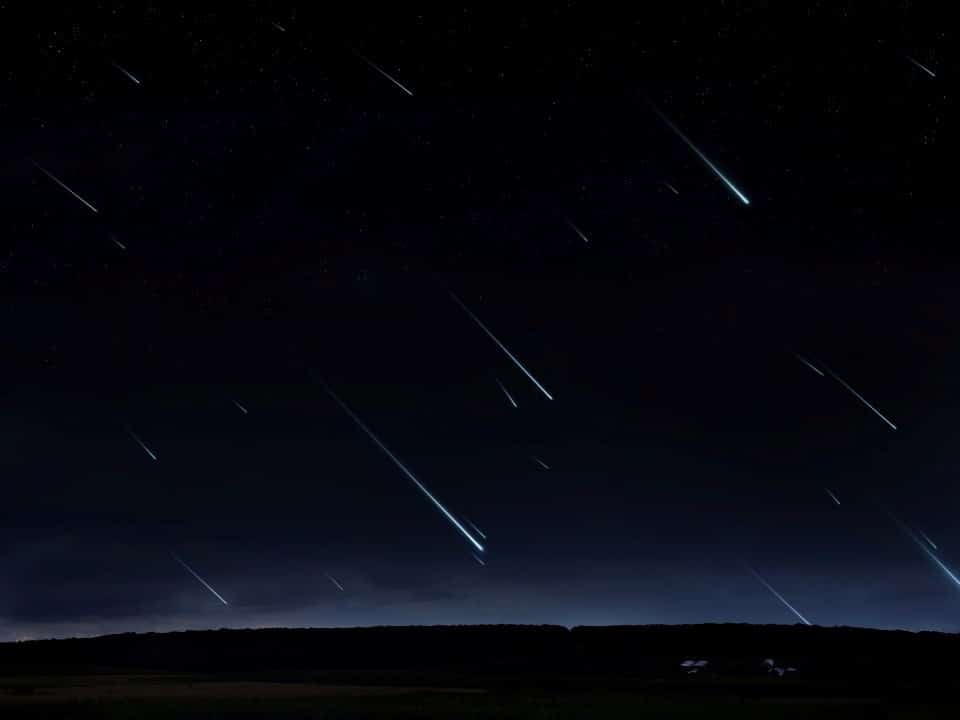
The Eta Aquáridas meteor shower reaches its maximum point of activity between Tuesday night and Wednesday morning. The annual astronomical event crosses the Earth’s atmosphere and generates intense luminous trails. Observadores from the sky consider the period one of the best opportunities on the calendar to monitor the burning of space fragments. The rate of visible meteors increases considerably during these specific hours.
The phenomenon occurs because the planet passes through a dense cloud of rocky particles during its translation movement. Sociedade Americana of Meteoros has been monitoring activity since April 19th with precision equipment. Official records indicate that the apparitions continued gradually until the end of May. The exact concentration of cosmic dust determines the number of beams of light that mark the darkness. The annual meeting yields important data for the ongoing mapping of the solar system.

Velocidade of spatial fragments and visual impact
Meteors in this classification travel at a speed of approximately 66 kilometers per second. Rapid displacement creates extreme friction with atmospheric gases. The friction is immediate. Essa thermal interaction results in bright contrails that remain suspended in the night sky for several minutes. The persistence of the glow makes it easier to identify the exact path taken by the incandescent rock.
The prolonged luminous characteristic attracts both professional astronomers and beginning enthusiasts. Equipamentos photographic cameras configured for long exposure can capture the paths drawn by particles with great clarity. The absence of





