
Eta Aquáridas meteor shower reaches peak visibility across Brazil this Wednesday

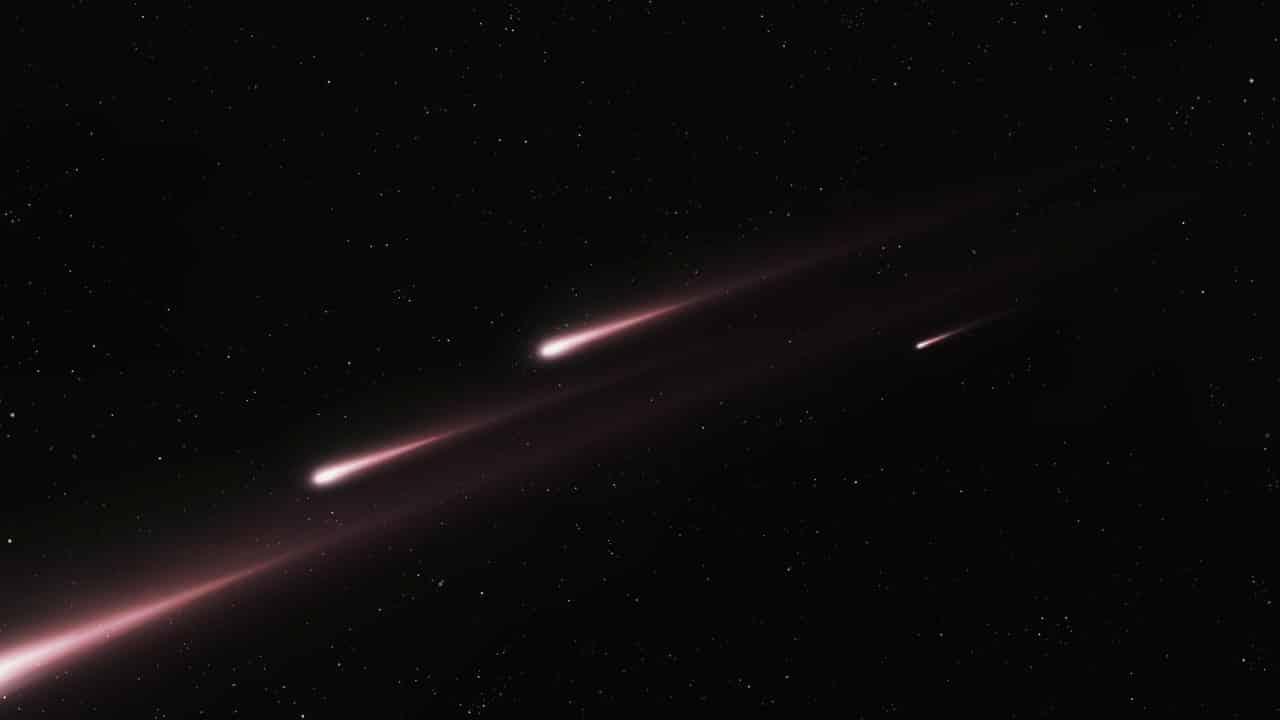
The Eta Aquáridas meteor shower reaches its moment of greatest intensity across Brazilian territory in the early hours of this Wednesday, May 6th. The astronomical phenomenon happens annually when the planet Terra crosses the orbit of debris left by Cometa Halley. Partículas of dust and small ice fragments come into contact with the atmosphere at high speed. Esse friction process generates the incandescence that we observe as luminous trails in the night sky. In 2026, visibility conditions are considered positive for observers in several regions of the country.
The event officially runs until May 28th, but the culmination occurs now. Especialistas indicate that the number of meteors visible per hour directly depends on the absence of clouds. Light pollution in large cities also interferes with the quality of the visual experience. Locais away from urban centers offer the best observation windows for enthusiasts. Não it is necessary to use professional equipment, such as telescopes or binoculars, to monitor the passage of the fragments. Human peripheral vision is usually more efficient in capturing the rapid movements of bolides on the horizon.
Recommended Horários varies depending on the region of the country
The observer’s geographic position determines the exact moment at which the Aquário constellation appears on the horizon, making it easier to see. As this is an event that depends on the rotation of Terra, there are significant differences between Brazilian states.
- Norte and Nordeste:Observation must begin at 2:30 am local time.
- Centro-West and Sudeste:The ideal period starts around 3:30 am.
- Sul:the recommendation follows the 3:30 standard for better visual capture.
- Geral:The period between 4am and dawn tends to be the most productive across the country.
The fall rate can fluctuate between 20 and 60 meteors per hour during the peak. Essa variation occurs because the debris trail left by Halley is not uniform in space. Quando to Terra crosses the densest areas of this trail, the frequency of “shooting stars” increases considerably. Cometa Halley, although it is far from a new approach with Sol, maintains this heritage of cosmic dust in its orbit. Every year, the gravitational encounter renews the spectacle for those who look at the sky.
Orientações techniques for better visual enjoyment
Para To ensure a good experience, the viewer needs to allow the eyes to get used to total darkness for at least 20 minutes. Using cell phone screens while waiting impairs the retina’s adaptation and reduces the perception of less bright meteors. Astrônomos suggest that the public try to lie on their back, keeping their field of vision facing east. It is in this direction that the radiant, the point from which the meteors appear to emerge, is located in the May sky.
The Aquário constellation serves as a technical reference to locate the point of origin. However, contrails can scratch any part of the celestial vault as they pick up speed on re-entry. The speed of these particles when they reach the upper air layer of the Terra is extremely high, which guarantees the intense brightness. Algumas of these particles are smaller than a grain of sand, but the energy released in the disintegration is enough to be seen from hundreds of kilometers away.
Influência from the climate and Lua in the 2026 observation
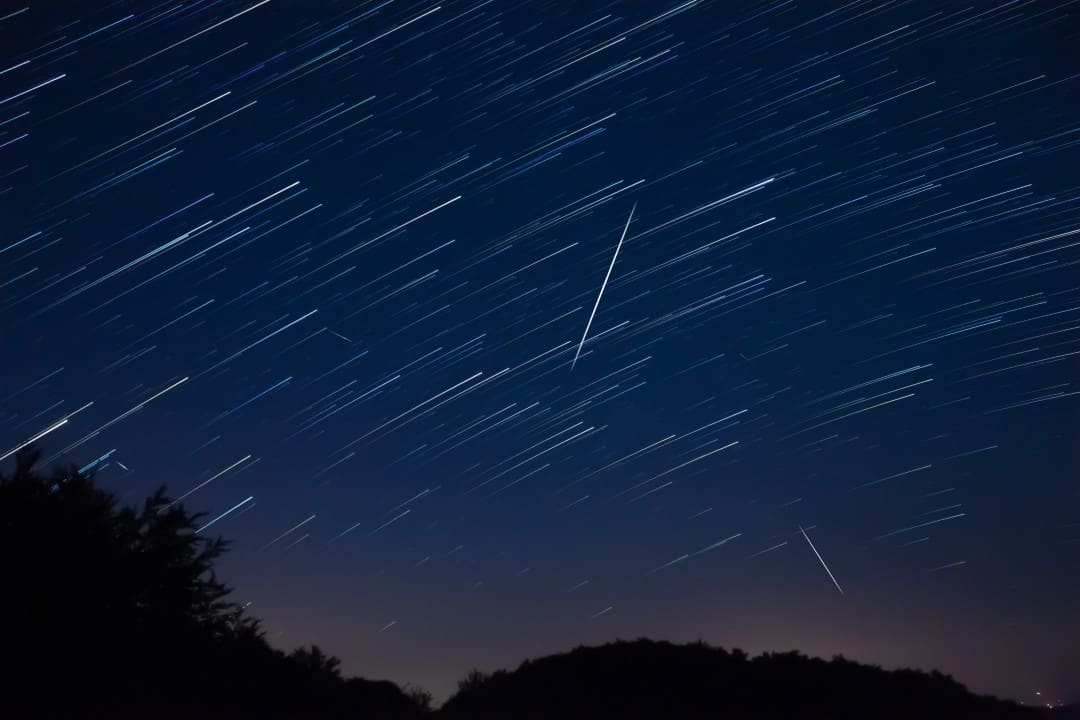
One of the determining factors for the success of observation in 2026 is the stage of the lunar cycle. The light reflected by the natural satellite can obscure smaller magnitude meteors, making counting difficult. Quando to Lua are in phases of lower brightness, such as new or waning, the contrast with the dark background of space improves. Além Furthermore, cloud cover remains the main barrier to the public. Cold Frentes or areas of instability may completely block vision in specific Sul and Sudeste states.
The Rede Brasileira of Monitoramento of Meteoros constantly monitors the event using high sensitivity cameras. Esses data helps science better understand the density of material present in the comet’s orbit. Eta Aquáridas is known for producing fast and persistent meteors, which leave a trail of ionized gas in the sky for a few seconds. Esse phenomenon is called “meteor train” and is often the highlight for astrophotography photographers. Capturing these moments requires long camera exposures and total equipment stability.
Phenomenon Origem linked to Cometa Halley
The material that makes up Eta Aquáridas rain was expelled by Cometa Halley hundreds of years ago. Toda As the comet approaches Sol, the heat vaporizes some of the ice and releases dust and rocks that become trapped in the orbit. Terra crosses this path twice a year. The first encounter generates Eta Aquáridas in May, while the second results in the Orionídeas meteor shower in October. It is a precise astronomical cycle that has been repeated for millennia.
Astronomer Renato Poltronieri, working in Nhandeara, inside São Paulo, reinforces the importance of seeking clean horizons. Prédios tall trees and trees can hide the radiance in the early hours of the morning. Patience is the amateur observer’s main tool. Nem always meteors fall at regular intervals; It is common for there to be periods of silence followed by several shots in sequence. Esta feature makes the activity unpredictable and fascinating for the general public. In 2026, Brasil occupies a privileged position for this event due to the inclination of the Earth’s axis in relation to the Aquário constellation.





