
Halley’s Comet meteor shower peaks in the early hours of Tuesday and Wednesday

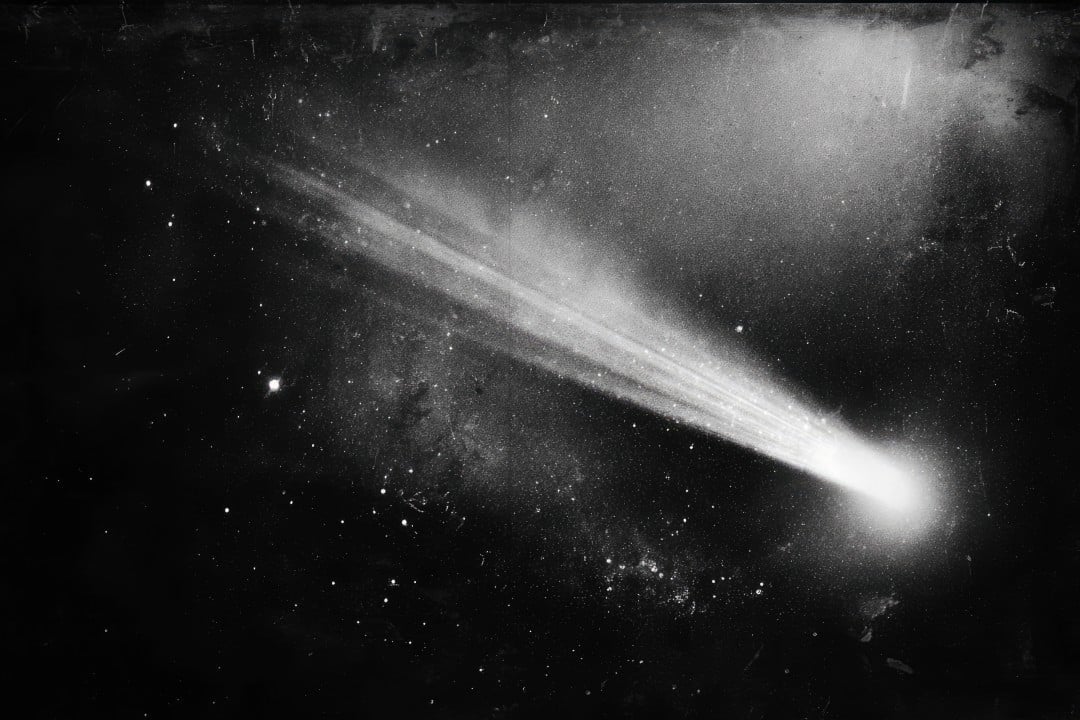
The Eta Aquáridas meteor shower reached its peak in the early hours of Tuesday and Wednesday, offering Canadians and observers from across the northern hemisphere an opportunity to witness the celestial spectacle. The annual event occurs when Terra passes through debris left behind by Cometa Halley, which orbits Sol approximately every 76 years. Particles burning in the atmosphere produce bright bands of light visible to the naked eye.
Segundo the astronomy expert Andrew Fazekas, activity will be most intense after midnight, between 3 and 4 am. Embora While observing conditions at Canadá are not ideal due to the low position of the Aquário constellation on the horizon, patient observers will be able to spot the brightest meteors. The bright moon in the sky will further reduce visibility this year, without however completely preventing the phenomenon.
Origem of the event and meteor formation
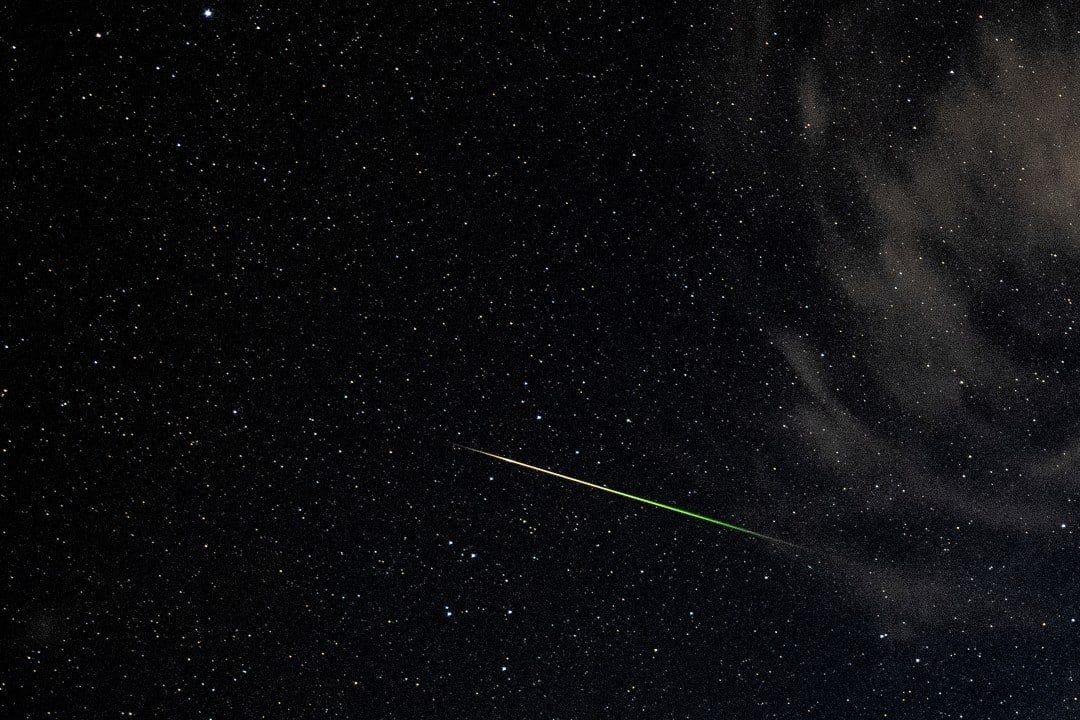
Cometa Halley releases material along its orbital path, creating a debris stream in space. Quando to Terra passes through this cloud of small grains of sand, the particles reach the atmosphere at high altitudes and burn quickly. The trails of light observed in the sky are exactly these remains of the comet vaporizing. Este process occurs annually at the same time, generating one of the most predictable astronomical events of the year.
Intensidade and expected visibility
The Eta Aquáridas meteor shower is considered modest, typically producing between 10 and 25 meteors per hour at its peak under ideal conditions. No Canadá, the forecast is more conservative. Fazekas estimates that the number of shooting stars observed here is probably closer to 10 per hour. The constellation of Aquário, where the meteors appear to originate, sits very low on the horizon, significantly reducing the amount of meteors visible compared to the Southern Hemisphere.
The bright moon still active in the sky contributes to reducing the visibility of weaker meteors. Tivemos full moon a few days ago, so there is still a bright moon interfering with observation. The most intense meteors, however, manage to shine despite lunar interference.
Como and where to observe the phenomenon
Nenhum Special equipment is needed to observe the meteor shower. Human eyes are sufficient, since binoculars and telescopes only show small portions of the sky, inadequate for tracking meteors appearing in different directions. Fazekas recommends the following procedures:
- Localizar a dark space, far from urban lights
- Permitir allows the eyes to adapt to darkness for 20 to 30 minutes
- Manter intense light sources outside the field of view
- Vire turns its back to the moon to optimize observation
- Usar a garden chair for reclining, preventing neck fatigue
- Levar covered or warm clothing, as the activity requires prolonged patience
Janela observation and practical tips
Activity begins as soon as it gets dark, but peaks in the second half of the night. Fazekas emphasizes that comfort is key: staying warm and protected from the cold significantly increases the chance of successful observation. Levar A garden chair is essential as looking up causes rapid neck fatigue.
Patience is a critical virtue in this type of activity. Nem every minute will show the same intensity of activity, and long intervals between sightings are normal. Proteger eyes of light, including artificial sources and the moon itself, improve the ability to detect fainter meteors that would otherwise go unnoticed.





