
Hungarian government incorporates new Saab Gripen fighters for air patrol in Eastern Europe

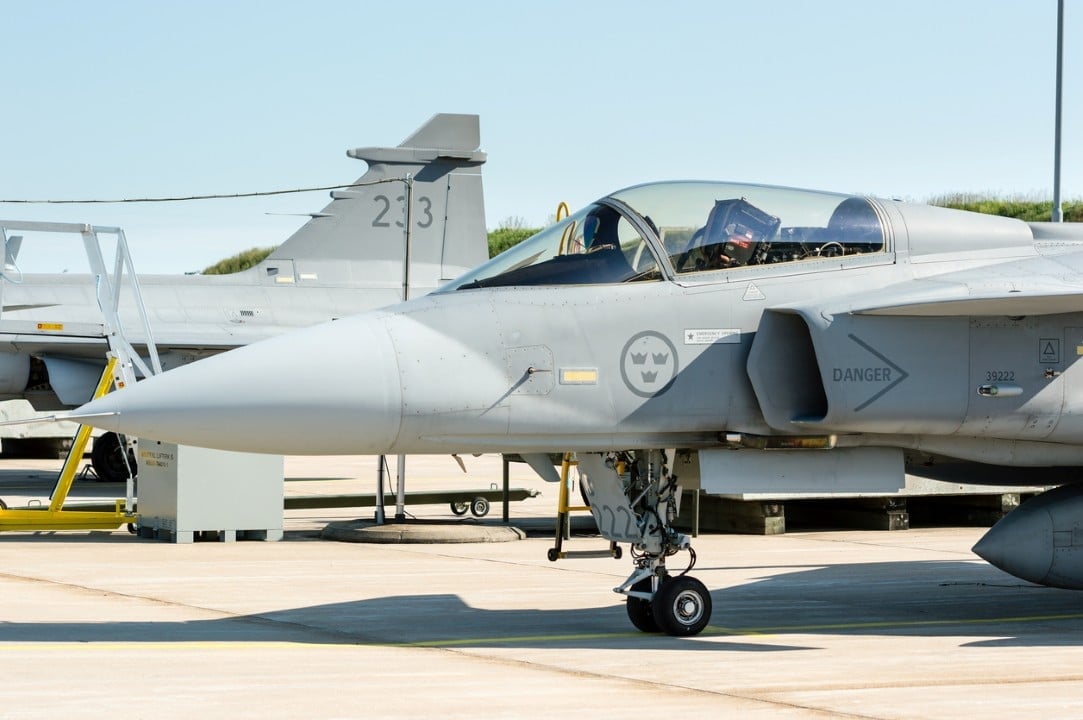
The air base located near the city of Kecskemét recorded the landing of two Saab JAS-39C Gripen multipurpose combat aircraft on April 29. The aircraft represent the initial delivery of a batch recently acquired by the Hungarian government. The strategic move seeks to expand Força Aérea Húngara’s response capacity. The European country formalized the purchase of four additional units in February 2024. The national fleet will reach the mark of eighteen military jets by the end of summer in the northern hemisphere. Logistics planning follows the schedule established by Ministério and Defesa.
The receipt of military equipment marks a stage in the modernization of the country’s aerospace protection system. The Swedish-made fighters operate under the guarantee of Hungarian territorial sovereignty since the beginning of the original contract. The fleet also provides ongoing operational support to Organização, Tratado, and Atlântico Norte allied countries. Military pilots have already completed four deployment missions in the Mar Báltico region. The operations are part of the official air policing program coordinated by the Western military alliance. The constant presence reinforces surveillance on Europa’s eastern borders.
Chegada aircraft consolidates military agreement signed with Swedish government
The JAS-39C model consists of a fourth generation tactical fighter designed by the manufacturer Saab. The aerial platform performs multiple functions during a single operational sortie. The system integrates advanced capabilities for air-to-air combat, attack on ground targets and photographic reconnaissance missions. The versatility of the project attracts nations interested in optimizing operational costs without compromising tactical efficiency. The plane reaches speeds greater than Mach 2 at high altitudes. Flight autonomy is around two hours on standard patrol missions.
The technical characteristics qualify the equipment for monitoring extensive border strips. The integration of modern weapons allows the engagement of threats at long distances. The digital panel makes it easier for the pilot to read tactical data during maneuvers with high gravitational force. Simplified airframe maintenance ensures high availability rates on the flight line. Mechanics carry out refueling and refueling on short runways or adapted highways. Lean logistics reduces dependence on large airport infrastructure in scenarios of armed conflict.
Transição contract guarantees definitive possession of military equipment
The current Hungarian fighter squadron operates under an international lease legal model. The validity period of this diplomatic agreement ends in the last month of 2026. The termination of the contract changes the legal status of all aircraft in operation. The Hungria government will assume permanent ownership of the military jets after this date. The transition eliminates the need to renew Suécia’s lease with the government. The measure ensures logistical independence for the local armed forces in the coming decades.
The Swedish manufacturer has already delivered seventeen units of the JAS-39C/D variant to the European nation over the years. Inventory suffered an operational write-off almost a decade ago. A JAS-39D model jet with registration number 42 was destroyed in an accident on May 19, 2015. The company provided a replacement aircraft in July 2016 to restore the front line. Current planning calls for the scheduled expansion of the interceptor squadron.
The official schedule establishes specific milestones for the incorporation of new aerial vectors:
- Dois JAS-39C fighter planes landed at the military base on April 29, 2026.
- Duas additional units arrive in the country before the end of the European summer.
- The national inventory reaches eighteen active aircraft with the completion of the agreement.
- The transfer of ownership of the machinery takes place in December 2026.
The completion of this logistics calendar ends a phase of contractual dependence. The Hungarian Ministério from Defesa starts to manage the life cycle of aircraft with total autonomy. Local military engineers assume greater responsibility for combat software updates. The support infrastructure at Kecskemét receives adaptations to accommodate the increased number of jets. New pilot training follows a curriculum adapted for the expanded fleet. Flight simulators receive updates to reflect new tactical capabilities.
Participação active in European airspace policing missions
Hungria has been part of the Western collective defense structure since 1999. The presence of fighters flying the Hungarian flag in Eastern Europe demonstrates the country’s commitment to regional security. Gripen squads perform regular armed patrols over Estônia, Lituânia and Letônia territories. Missions involve quickly intercepting civilian planes that lose radio contact with traffic control. Military pilots also identify and track foreign state-owned aircraft flying without a declared flight plan.
The operational environment on Mar Báltico demands round-the-clock readiness from alert teams. Mechanics keep the fighters armed and fueled in the hangars on standby. Activating the siren requires the pair of interceptors to take off within a few minutes. Tactical coordination occurs through integrated military alliance command centers. Ground radars guide the Hungarian jets to the unidentified target. The visual approach confirms the registration and the intention of the intercepted vector. The procedure follows strict international security protocols.
Defense Estratégia diverges from neighboring nations in technological choice
The European fighter aviation market is undergoing a profound generational transformation. Diversos Governments are preparing to replace their current fleets with fifth generation platforms. The República Tcheca operates JAS-39C/D jets under similar conditions to the Hungarian model. The Czech government has decided to acquire Lockheed Martin F-35A Lightning II stealth fighters for the future. The movement reflects a search for planes with low radar signature and network-integrated sensors. The technological transition requires billion-dollar investments in infrastructure and specialized training.
The Hungria military command adopts a conservative stance regarding the modernization of its air power. The expansion of the current Gripen fleet demonstrates confidence in the maturity of the Swedish project. Strategic planning prioritizes the strengthening of capabilities already mastered by the crews. Maintaining the same aircraft model avoids high costs for converting pilots and mechanics. The defense budget focuses on ready availability rather than the country’s acquisition of untested technologies. Logistics standardization guarantees the long-term sustainability of Hungarian air operations.





