
NASA equipment inactive since the 1960s returns to emitting radio signals in Earth orbit

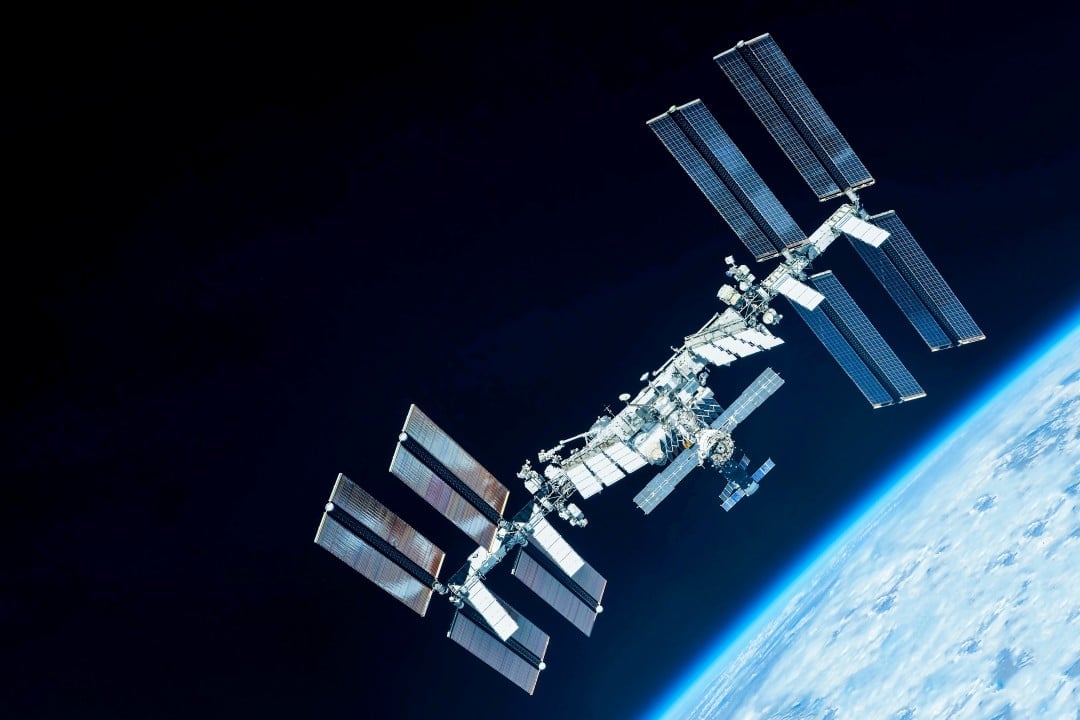
Pesquisadores Australians captured an extremely powerful radio frequency emission coming from Earth orbit. The phenomenon occurred during routine observations of deep space aimed at mapping distant galaxies. The source of the intense glow surprised scientists responsible for astronomical monitoring. Tratava is a piece of North American space equipment considered completely dead for decades. The intensity of the electromagnetic wave surpassed any other record captured by the instruments at the same moment.
The signal came from the Relay 2 communications satellite. The Estados Unidos space agency launched the artifact in 1964. The device remained inactive for almost sixty years in the vacuum of space. The discovery raises an alert about the unpredictable behavior of abandoned materials around the planet. The complete study with data analysis was published in a scientific journal specializing in astrophysics last year.
Captação of electromagnetic pulse by radio telescope
The Instituto of Radioastronomia of Universidade Curtin team conducted detection in the Austrália Ocidental region. Professor Clancy James led the work on decoding the raw data. The experts used the observation complex known as ASKAP. The structure has thirty-six gigantic satellite dishes installed in a remote area. Cada capture tower is the equivalent height of a three-story commercial building.
The observatory’s main focus is often the search for fast radio bursts. Esses events consist of energetic flashes originating from galaxies located at the edge of the observable universe. The recent capture showed unique characteristics of duration and light intensity. The total pulse lasted only a fraction of a millisecond. The strongest portion of the wave registered exactly three nanoseconds.
The power of the event reached the technical limit of the high-precision sensors installed in the antennas. The brightness of the emission surpassed any other radio data detected by the equipment by thousands of times. The object became the brightest source in the sky during that fraction of a second. Astronomers initially thought it was an unprecedented cosmic phenomenon. The primary suspicion fell on the activity of magnetars.
Magnetares are superdense stellar remnants that harbor extreme magnetic fields. Eles represent the final stage of matter before gravitational collapse into a black hole. The detection of a body with these properties so close to the solar system would represent an unprecedented scientific milestone. The team needed to refine the spatial coordinates to confirm the true nature of the mysterious emitter.
Histórico of the North American space mission
Data crossing revealed a distance incompatible with deep stellar phenomena. The source of the anomaly was four and a half thousand kilometers from the earth’s surface. The altitude exactly matches the orbital path of the former Relay 2 project. Nasa developed the equipment as a pioneering experiment in the field of global telecommunications.
The launch took place at the height of the space race in the 1960s. The model represented a direct evolution of its immediate predecessor launched into orbit two years earlier. The main function of the artifact involved the retransmission of telephone and television signals between the American and European continents. The satellite ensured the historic transmission of images of Jogos Olímpicos from Tóquio to the Western world.
The device’s useful life lasted just three years after insertion into Earth orbit. Falhas irreversible damage to key internal components forced the definitive shutdown of communication operations. The satellite turned into a piece of space junk wandering silently around the globe. The sudden return of transmissions required a detailed investigation into the physics of the orbital environment.
Hipóteses on reactivating the radio system
The proximity of the source caused an initial blur in the images generated by the telescope complex. The signal appeared weak in the early stages of raw data capture. The increase in resolution revealed the true magnitude of the electromagnetic pulse. The temporal structure of the wave demonstrated high technical complexity. Scientists have formulated physical scenarios to explain the sudden flash in space.
The research team established main lines of investigation into the mechanical origin of the event:
- Descarga abrupt static energy accumulated in the metal casing of the equipment over decades of exposure to solar radiation.
- Choque violent micrometeorites against the external structure of the satellite traveling at very high speed.
- Geração of superheated plasma resulting from the collision of millimeter space fragments capable of emitting short bursts.
The first hypothesis gained traction among experts at the Australian research institute. The accumulation of charged particles on the metal surface occurs naturally in the harsh space environment. The release of this energy generates short, extremely intense radio pulses. The meteorite impact theory requires very specific variables to produce the same effect detected by the antennas.
Impacto in orbital debris monitoring
The incident with the veteran satellite exposes the complexity of managing contemporary space traffic. Milhares of decommissioned artifacts continue to circle the planet in different altitude ranges. The permanence of these objects in orbit varies from a few years to multiple centuries. Abandoned material creates physical obstacles to launching new scientific and commercial missions.
The emission of signals by inactive equipment harms the work of terrestrial astronomical observatories. Artificial radio waves cause direct interference in the capture of distant cosmic phenomena. Telescopes need to constantly filter out this local noise to study the formation of the universe. Accurately mapping interference sources improves the quality of data collected by astronomers.
Agências global spacefarers seek engineering solutions for removing metal casings from low orbit. The development of orbital cleaning technologies advances gradually due to the high operational costs involved. The episode demonstrates that space debris has its own dynamics and unpredictable physical behavior. Rigorous cataloging of debris helps prevent catastrophic collisions with active satellites and manned stations.
The electromagnetic pulse record serves as a database for improving global radio sensors. The Australian team calibrated the ASKAP complex instruments after a thorough analysis of the event. The ability to distinguish between local anomalies and galactic explosions optimizes scientists’ research time. Continuous monitoring of the night sky ensures the safety of space operations and the integrity of modern communications networks.





