
Scientists explain that mosquitoes prioritize plant nectar and females suck human blood just for reproduction

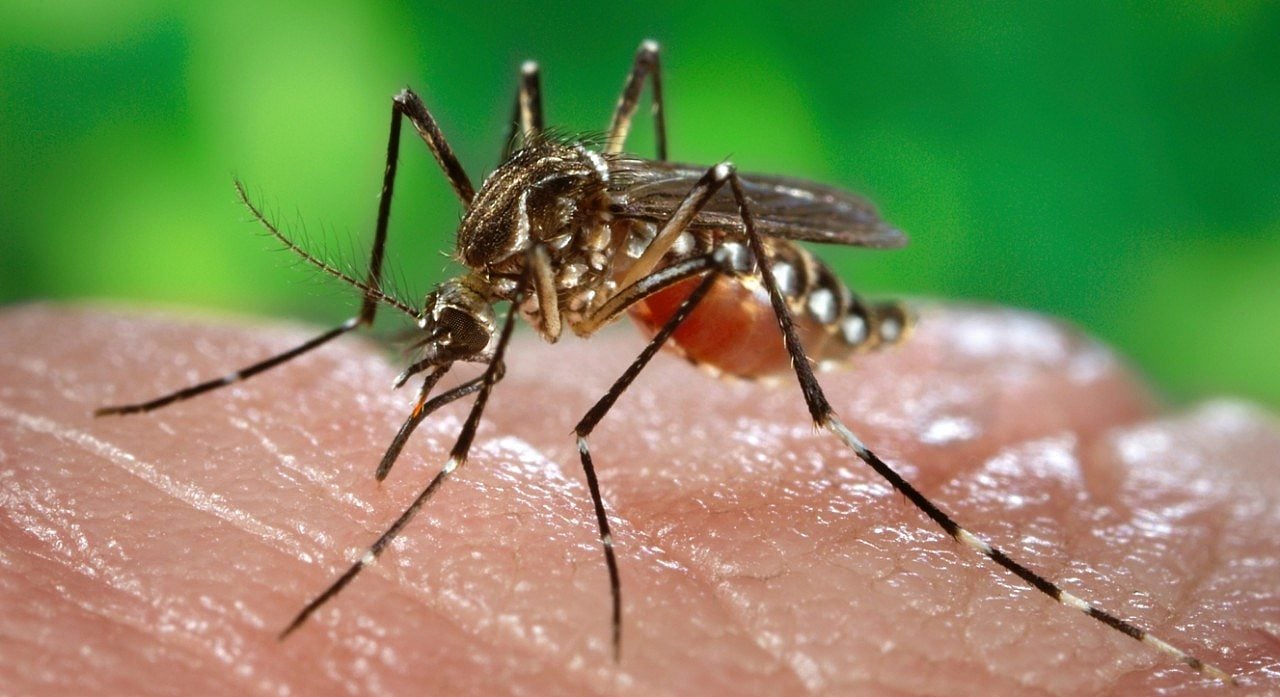
The main diet of mosquitoes is based on the consumption of floral nectar and plant sap, contrary to popular perception about the behavior of these insects. Human blood represents a secondary resource in the biology of the species. Apenas females look for hosts to bite. Esse process occurs exclusively during specific periods of the animal’s life cycle, motivated by urgent biological needs.
The confusion about the diet of muriçocas arises due to the lack of human observation in natural pollination environments. Males survive entirely on plant carbohydrates found in nature, flying among foliage at night. Females need animal protein to ensure the maturation of eggs before laying in breeding areas. Especialistas point out that the reduced visibility of mosquitoes in flowers contributes to the myth of exclusive vampirism. Public perception focuses only on the moment of discomfort caused by the bite.
Necessidade metabolic based on vegetable carbohydrates
The functioning of the mosquito organism directly depends on the intake of complex sugars present in the flora. The elaborated sap provides the sucrose necessary to keep the metabolism active. Biologist Reinaldo of Oliveira Elias classifies these plant compounds as the species’ vital support. Sem this primary energy source, insects lose the ability to fly. Moving around the environment requires a high daily caloric expenditure.
Tanto both males and females spend much of their time foraging in search of flowers and leaves suitable for extracting the nutritious liquid. The mouth structure of these animals has precise adaptations to pierce soft plant tissues. The energy from this diet guarantees basic survival and the maintenance of vital functions. The feeding process in plants occurs silently. People rarely notice this activity in residential gardens or native forest areas.
Fêmeas seek human blood to ensure reproduction
The need to bite mammals only arises when the female reaches the reproductive phase and needs to develop her ovarian follicles. Human blood provides specific amino acids that do not exist in plant sap. Professor Filipe Abreu, researcher of Instituto Federal of Norte of Minas Gerais with support from Instituto Serrapilheira, details the importance of this process. Isoleucine and iron found in the bloodstream form the structural basis of egg yolks. The absence of these nutrients makes the generation of new individuals impossible.
Host-seeking behavior involves complex chemical sensors capable of detecting carbon dioxide and body heat from meters away. The female temporarily abandons her vegetarian diet to have a blood meal. The volume ingested can exceed the insect’s own weight. Após feeding, she looks for places with stagnant water to deposit the fertilized eggs. Males remain distant from this process and continue to consume only nectar until the end of their lives.
Giant Espécie works in biological pest control
Biological diversity presents notable exceptions to hematophagous behavior, including species that refuse blood at all stages of life. Elephant mosquitoes, scientifically classified in the genus Toxorhynchites, maintain a strictly vegetarian diet even during female reproduction. Esses giant insects do not pose any threat to humans. The biology of this species is of particular interest to public health researchers. Its large size makes it easy to observe its eating habits in the forests.
The elephant mosquito life cycle offers direct ecological advantages for controlling tropical disease vectors. Females lay their eggs in the same breeding grounds used by dangerous species. Larval development occurs aggressively against other insects.
- Larvae actively prey on Aedes aegypti offspring in water reservoirs.
- The size of the adult insect significantly exceeds the measurements of common mosquitoes.
- Nutrition relies exclusively on carbohydrate-rich plant sources.
- The species functions as a natural agent to reduce the population of virus transmitters.
The presence of these natural predators in urban and wild areas helps reduce the incidence of dengue, zika and chikungunya. The larvae’s voracious appetite eliminates hundreds of potential transmitters before they reach adulthood. Especialistas in ecology consider the elephant mosquito an important ally in the balance of ecosystems. The preservation of this species contributes to the collective health of human populations close to forests.
Ecological Impacto and prevention measures in urban areas
The negative reputation of mosquitoes overshadows the fundamental role that these animals play in the dynamics of food chains. The pollination of several plant species occurs thanks to the constant movement of these insects between flowers. Reinaldo Elias emphasizes the importance of understanding ecological function before adopting indiscriminate extermination measures. Mosquitoes serve as daily food for frogs, geckos, spiders and insectivorous birds. Complete removal of this population would cause a collapse in the diet of natural predators.
Population control of other organisms also occurs through the transmission of specific pathogens from the animal world, regulating wildlife. Apesar environmental benefits, close coexistence with humans requires appropriate protection strategies. Algumas urban species carry viruses capable of causing severe fevers and Saint Louis encephalitis. Brain inflammation resulting from this infection requires immediate medical attention to avoid neurological sequelae. Prevention remains the most effective tool against bites.
Health authorities recommend installing physical barriers in homes to block insects from accessing bedrooms. The use of millimeter screens on windows and mosquito nets on beds drastically reduces nighttime contact in endemic regions. The application of dermatological repellents approved by health agencies guarantees individual protection during outdoor activities. Closing the doors before dusk prevents females from entering at a time of greatest hunting activity for hosts. The elimination of containers with stagnant water complements the collective control effort, breaking the reproductive cycle in urban areas.





