
Apple launches affordable MacBook and foldable iPhone to reposition portfolio in 2026


Apple reorganizes its commercial strategy in the first half of 2026 with the launch of two products that redefine entire device categories. The MacBook Neo hits the market with an aggressive price of US$599, while the iPhone Fold promises to revolutionize the foldable smartphone segment. The movement directly affects the demand for traditional tablets and repositions the way consumers choose their primary equipment for work and study.
MacBook Neo democratizes access to the Apple ecosystem
The new notebook was made available in March 2026 with strategic cost positioning. The equipment costs US$599 for the general public, while students and teachers can purchase it for US$499 with proof of academic affiliation. The machine uses M series processors, offering superior performance to competitors in the same price range. The streamlined aluminum chassis and battery optimization make the product highly competitive for use in classrooms and corporate environments.
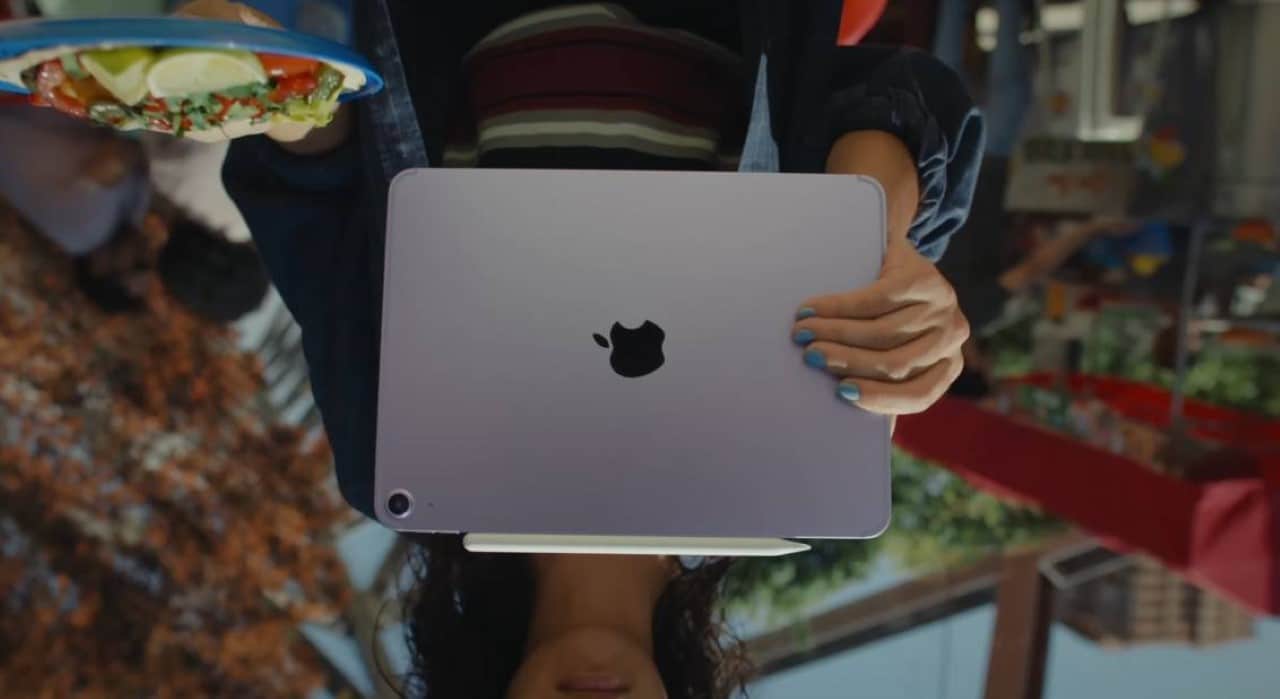
The initiative aims to regain space in the educational market, where low-cost devices have dominated for years. The new laptop offers an affordable gateway to the macOS system, allowing use of text editors, basic programming tools and fluid navigation. The manufacturer is betting on the early loyalty of young audiences, expecting these users to migrate to more expensive and complex equipment in the future. Especialistas note that the reduced price creates an immediate hurdle for the entry-level iPad, as consumers find a complete factory solution for similar value.
iPhone Fold threatens position of compact tablets
The technology giant’s schedule foresees the official debut of the iPhone Fold in 2026. The flexible smartphone represents the company’s response to a segment already intensely explored by Asian competitors. The device combines the portability of a traditional phone with the enlarged viewing area typical of a small tablet. The engineering focuses on mechanical durability and fluid integration of applications into the expandable format of the screen, ensuring an uninterrupted experience when opening and closing the device.
The introduction of this category directly affects the positioning of the iPad mini in the global market. The compact tablet, historically sought after for media consumption, games and digital reading, loses its exclusivity appeal in the face of a phone that doubles in size. The user gains the convenience of carrying just one device in their pocket capable of performing both functions with technical excellence.
- The flexible inner screen uses new generation materials to avoid visible creases in the fold area.
- The operating system adapts the application interface automatically when opening and closing the device.
- The main cameras work with the same quality in both compact and expanded format.
- Graphics processing supports heavy gaming and real-time video editing without overheating.
Cross-platform Convergência reduces technical differences
The Pro iPad line illustrates the identity restructuring affecting high-performance tablets. The latest models use exactly the same M series processors that power desktop and notebook computers. The addition of the Magic Keyboard, with integrated high-precision trackpad, physically transforms the device into a conventional laptop. The raw power of current hardware exceeds the needs of the vast majority of applications available in the virtual store, creating functional redundancy between categories.
Software remains the main technical differentiation factor between platforms. The computer operating system receives adaptations to facilitate touch and gesture commands. Tablet software incorporates complex multitasking and overlapping window management capabilities. The visual and functional approximation of the two interfaces generates debates in the industry about the real need to maintain separate product lines, especially when the user experience converges towards identical solutions.
Impacto commercial and recurring revenue strategy
Physical stores and digital sales channels are undergoing restructuring to accommodate the new reality of the expanded catalog. Displaying products requires a more technical consultative approach from sellers. Teams need to understand the customer’s routine to recommend the correct equipment among so many similar options. The proximity of prices between a tablet equipped with accessories and an entry-level notebook requires clarity in communicating the benefits of each format.
Subscription to digital services gains financial relevance in this highly diversified hardware scenario. Cloud storage, video streaming platforms and app bundles guarantee recurring revenue regardless of the device chosen. The perfect integration between school computer, professional tablet and folding phone locks the consumer into a structure of convenience. The sale of the physical device is only consolidated as the first step in a long-term commercial relationship, where digital services support the company’s profitability.




