
Samsung watch detects fainting five minutes earlier with 84.6% accuracy

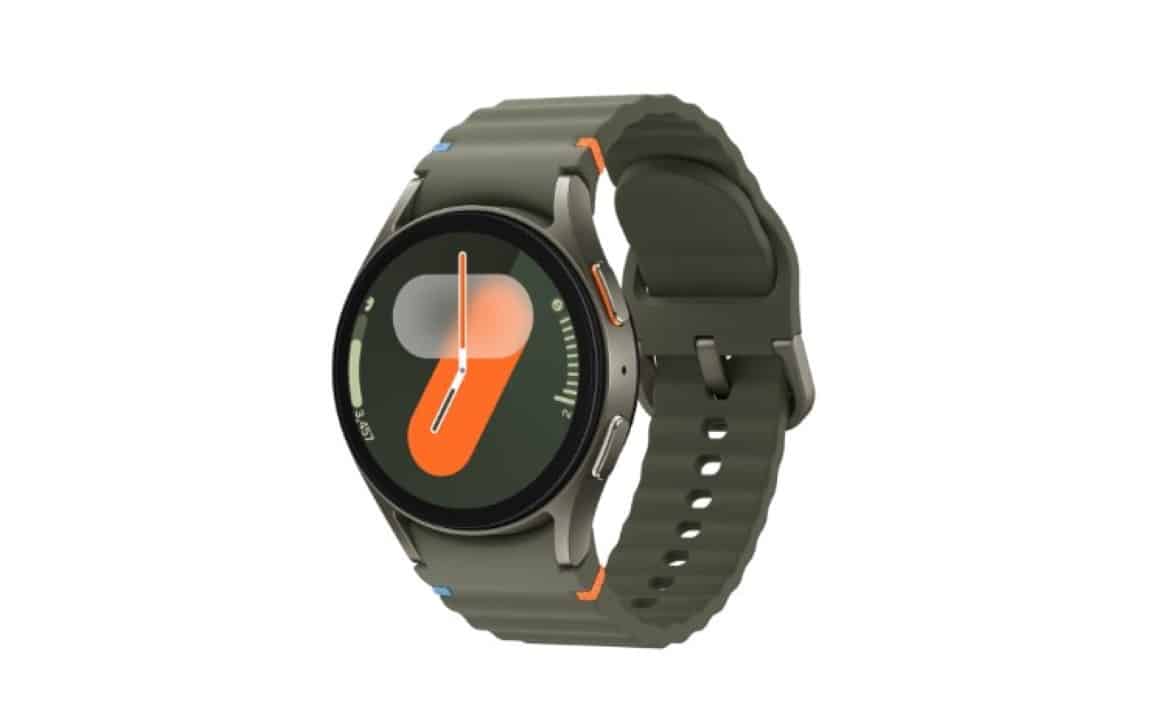
Samsung validated a system in Galaxy Watch capable of predicting fainting with high accuracy up to five minutes before the episode. The study, carried out in partnership with Hospital Universitário Chung-Ang at Coreia and published in European Heart Journal, achieved an accuracy rate of 84.6% during tests with 132 patients.
The development represents a significant advancement in wearable preventive medicine. The technology uses the photoplethysmography (PPG) sensor already integrated into the Galaxy Watch 6 to monitor heart rate variability. An artificial intelligence algorithm processes the signals in real time and identifies patterns that indicate imminent circulatory collapse.
Desmaios and the silent risks of everyday life
Vasovagal syncope (VVS) affects approximately 40% of the world’s population. Embora is not fatal in itself, the sudden loss of consciousness exposes the patient to severe trauma. Fraturas, concussions, and even brain hemorrhage are common complications resulting from falls during these episodes.
Fainting occurs when the body experiences abrupt drops in blood pressure or heart rate. Gatilhos include emotional stress, prolonged standing, sharp pain, and rapid position transitions. On stairs, busy streets or near hard surfaces, falling poses a substantial risk of injury.
Como watch identifies early warning
The algorithm developed by the medical team analyzes micro-oscillations in heart rate that are imperceptible to conventional monitoring. The Galaxy Watch’s PPG sensor captures this data continuously from the user’s wrist. The system processes information in milliseconds and issues visual and audible notification when it detects an imminent syncope.
The five-minute warning window is considered critical by the medical community. Nesse range, the user can:
- Position yourself lying or sitting in a safe place
- Afastar up from stairs or hazardous environments
- Alertar people nearby to request help
- Elevar the legs to restore cerebral blood flow
- Evitar the traumatic impact of the sudden fall
The tests were conducted in a controlled environment where syncope episodes were induced under medical supervision. Additional Eletrodos validated each clock prediction. The results demonstrated that the commercial hardware already available has sufficient computational capacity for advanced-level clinical analysis.
Primeira commercial validation on smartwatch
Este is the first study in the world to validate syncope detection on a mass-market wearable device. Previous Estudos used laboratory prototypes or medical equipment not accessible to the general public.
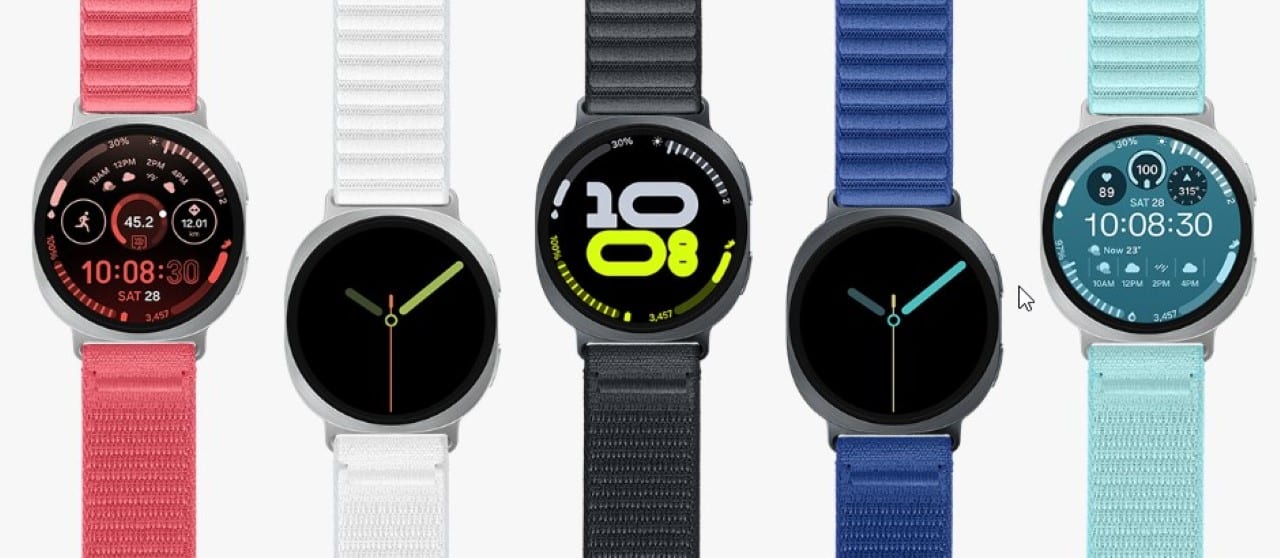
Samsung has already integrated the technology necessary for this prediction into Galaxy Watch 6. Later Modelos like the Galaxy Watch 8 added sleep apnea monitoring and heart irregularity detection. The implementation of the early warning system awaits regulatory validations before public launch.
Jongmin Choi, head of Pesquisa at Saúde at Samsung, highlighted that the advancement marks a conceptual transition. The clock no longer functions only as a recorder of past events and takes on a predictive role. Essa shift puts wearable devices at the center of home clinical monitoring of syncope-prone patients.
Aplicações and next steps
The system will mainly benefit the elderly, patients with a history of recurrent fainting and individuals in professions where sudden loss of consciousness represents an occupational risk. Motoristas, heavy machinery operators and tall professionals find this technology an occupational safety tool.
Implementation in future models awaits approval from regulatory agencies such as FDA on the Estados Unidos and Anvisa on the Brasil. Samsung did not provide a specific date for the functionality to be available to the public. The company signals that current hardware supports this functionality, indicating possible activation via software update in the coming quarters.
The research paves the way for other predictive applications in wearables. Batidas irregular heartbeats, blood pressure variations and abnormal oxygenation patterns can also benefit from real-time AI analysis on the user’s wrist.





