
Second full moon of May creates rare phenomenon visible across Brazil this week


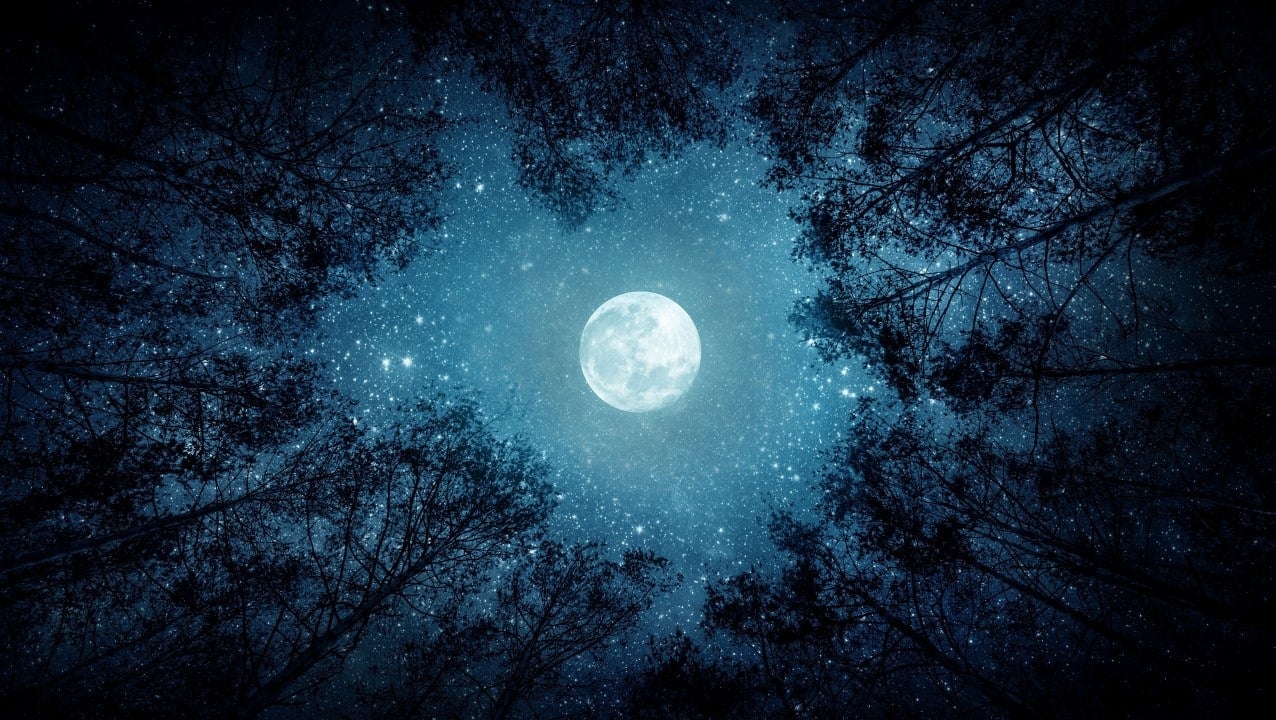
A rare lunar phenomenon takes place this Thursday throughout Brazilian territory. The second full moon in May, known as the “blue moon”, will be visible to the naked eye without the need for special equipment. The event marks the occurrence of two full moons in the same month, a situation that repeats approximately every two or three years, depending on the lunar calendar.
The blue moon does not actually have a bluish color. The term refers exclusively to the occurrence of two full moons within a single month of the Gregorian calendar. Observadores in different regions of Brasil will have ideal conditions to follow the phenomenon throughout the night, from sunrise to dawn.
Horários and best period for observation
The peak of luminosity occurs during the early hours of Thursday to Friday, when the moon reaches its highest position in the sky. Especialistas recommend observing between 10pm on Thursday and 5am the following morning for optimal viewing.
Céus clear and cloudless environments favor complete visualization of the phenomenon. Áreas urban areas with greater light pollution can make it difficult to observe details of the lunar surface, although the lunar disk remains visible even in large cities. Regiões rural areas and with less interference from artificial lighting offer the best viewing conditions.
Causa astronomical event
The phenomenon results from a discrepancy between the lunar cycle and the solar calendar used in most countries. A lunar month, the period between two successive full moons, lasts approximately 29.5 days. Como the months of the Gregorian calendar vary between 28 and 31 days, some periods have two full moons while others have none.
Maio of 2024 accommodated two full moon phases within its 31 days. The first occurred at the beginning of the month, while the second now takes place in the final week. Este arrangement is not annually predictable, which explains why blue moon events do not occur on fixed dates.
Registros histories and frequency
Luas blues have been documented by astronomers since ancient times. Registros Babylonians and Greeks mention observations of this phenomenon. In modern culture, the term only gained popularity in the 20th century, when it began to be used regularly by astronomy magazines and programs.
The frequency of occurrence is between 2 and 3 events every 7 years, depending on the period analyzed. Alguns years feature up to two blue moon events, while other decades go for months without any occurrences. The pattern strictly follows the laws of orbital astronomy, making it impossible to change.
- Primeira May full moon: May 2
- Segunda May full moon: May 31
- Full phase Duração: approximately 3 days
- Visibilidade: Hemisfério south, including entire Brasil
- Proximidade with Terra: average distance of 384 thousand kilometers
Impacto in professional astronomical observation
Observatórios Brazilians will expand their monitoring schedule during the event. Large Telescópios will be aimed at capturing detailed images of the lunar crater and topographic variations. High-resolution Fotografias will allow analysis of changes in lunar geological formations compared to previous records.
Institutos research teams use full moons to calibrate instruments and validate data collected in previous cycles. Federal Universidades with astronomy departments provide public access to telescopes in many cases, allowing collective observation of the phenomenon. The participation of the lay public in astronomical observations helps researchers in collecting data on local atmospheric conditions.
Preparação for home observation
Observadores amateurs only need a location with an unobstructed view of the night sky. Simple Binoculares enhance the ability to view details of the lunar surface, although they are not absolutely necessary. Câmaras conventional photo cameras with optical zoom allow image capture for personal documentation.
Aplicativos free astronomy charts available in app stores indicate the exact position of the moon in real time, making it easier to follow the orbital movement. Esses features also show information about brightness, solar incidence angle and current lunar phase. Comunidades online of amateur astronomers share expert photography tips and techniques for recording the event.
The experience does not require prior knowledge or investment in sophisticated equipment. Qualquer person with access to a place with visible sky will be able to witness the astronomical spectacle. The blue moon in May represents an educational opportunity for families interested in deepening their knowledge about celestial movements and the dynamics of the Earth’s solar system.





