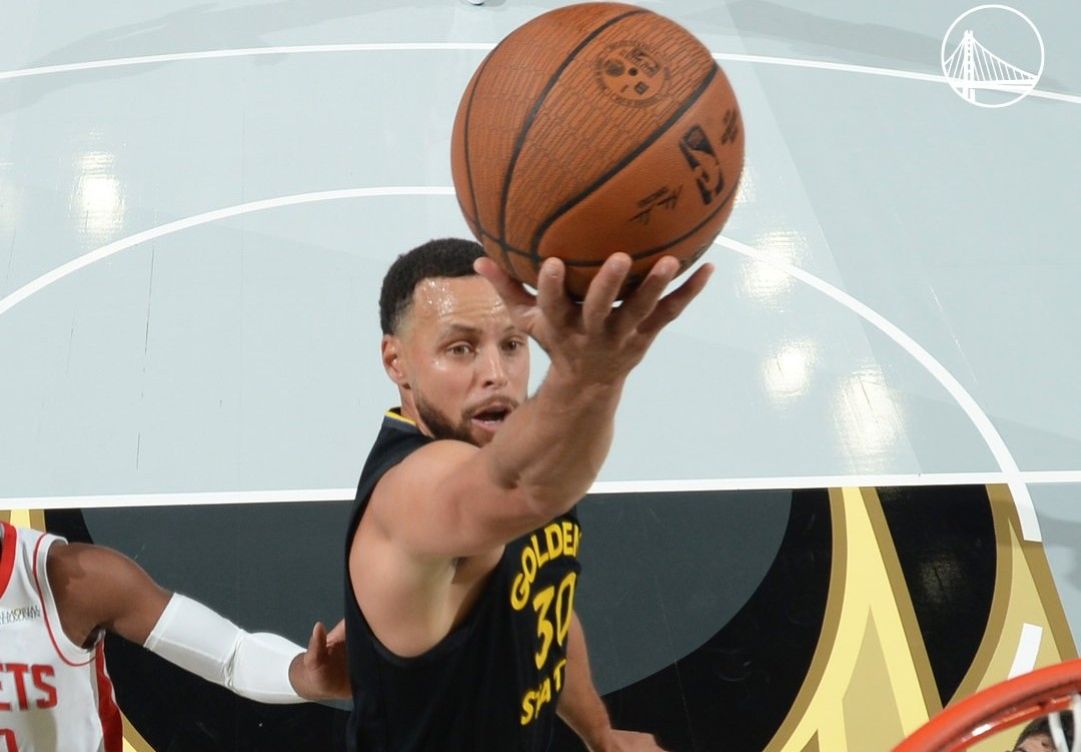
Stephen Curry attacked the structure of the NBA’s Acordo Coletivo and Trabalho and denounced that active players are prevented from participating in the teams’ assets. The Golden State Warriors star, despite receiving around R$321 million for the 2025/2026 season, stated that the class is “underpaid” for not having access to the franchises’ equity. Para the number 30, this exclusion represents the biggest flaw in the league’s current economic model.
In an interview with the 360 program With Speedy, Curry detailed his frustration with the limitations imposed by the CBA. The player made it clear that his criticism is not directed at the monthly salary, but at the inability to participate in the institutions’ long-term asset growth. “The way the CBA is currently structured, we cannot participate in the equity. And this is very important, because this is a partnership with the league. And we are on the short-term side of this revenue”, he explained.
Restrições legal restrictions prevent shareholding

The CBA, an agreement negotiated between the NBA and the athletes’ union (NBPA), establishes rules on salary caps, health benefits and working conditions. Porém, the clause that prohibits equity participation for active players has remained untouched for decades. The league justifies this ban as a measure to avoid conflicts of interest between athletes and owners.
Segundo Curry, this legal barrier is exactly what characterizes the devaluation of players:
- Jogadores cannot hold shares while active
- Franchises increase their billion-dollar value annually
- Athletes are left out of long-term wealth growth
- The CBA limits player participation to short-term revenue
- The disparity affects all generations, including future ones
The star highlighted that this exclusion is essential to understand why he considers the remuneration to be insufficient. “The idea that we can’t participate while we’re playing is part of the reason why I would say yes, we are underpaid, because you want to participate in this growth,” said the point guard, reinforcing that the fight for changes in economic rules is a priority for the next generations of players.
Contexto early elimination of Warriors
Curry’s statement comes shortly after Golden State Warriors’s elimination in the play-in tournament against Phoenix Suns. Esse anticipated result may have intensified the star’s reflection on the economic model that governs the league and the distribution of wealth generated by the athletes’ collective product.
Essa’s combative stance is not new. In July 2025, Curry had already expressed dissatisfaction with the structure of the CBA and the lack of participation in the franchises’ assets. Ele reinforces, however, that he is still far from hanging up his shoes and that the economic reform agenda remains relevant in his priorities for the coming years.
Pressão growing due to model changes
The number 30’s statement adds pressure to the NBPA and the league for future renegotiations of the CBA. The debate about equity for active players is gaining strength among the most influential veterans, especially those who accumulate market power and media influence. Curry, as one of the biggest names in the NBA, has the platform to amplify this agenda with owners and the public.
The current structure keeps players and owners on opposite sides of the value chain. Enquanto athletes capture salary income, owners accumulate equity through franchise appreciation, broadcast rights sales and diversified entertainment revenues. Curry’s argument is that this division is unfair because players are directly responsible for attracting revenue.