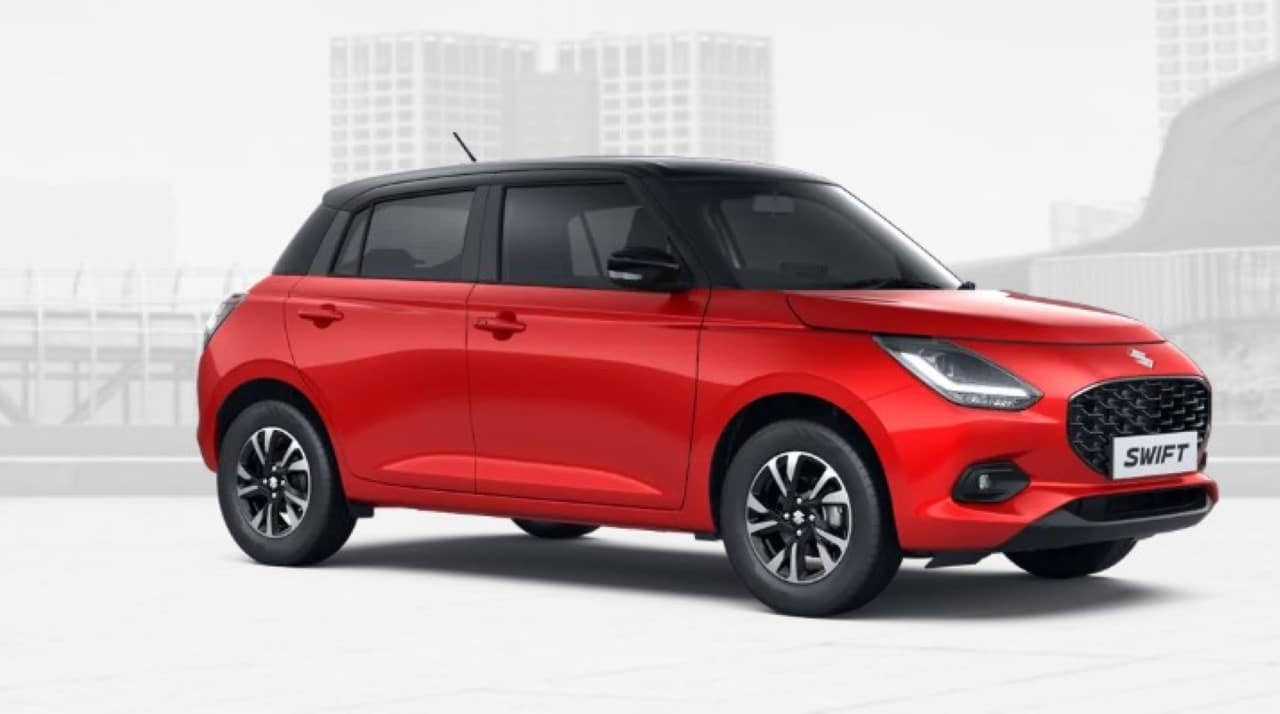
Suzuki revealed a prototype of the hydrogen-powered Swift during Simpósio of Motores of Viena, repositioning the Japanese compact to run exclusively on fuel cells. The project marks the manufacturer’s entry into the hydrogen vehicle segment, moving away from fossil fuels and compressed natural gas. Lançamento is scheduled for 2026, according to the company’s announcement.
The new hydrogen Swift abandons conventional gasoline engines and also abandons CNG technology. Sistema uses a fuel cell that generates electricity through the chemical reaction between hydrogen and oxygen. The expected Autonomia is close to electric models, without the need for recharging via a socket. Emissão produced is just water in vapor.
Tecnologia and prototype specifications
Suzuki developed high pressure hydrogen storage system for Swift. Tanques are strategically positioned so as not to compromise the vehicle’s internal space. Reabastecimento occurs at specialized stations, a process that takes just a few minutes. Célula fuel engine was integrated where the traditional thermal engine was previously located.
Capacidade storage allows travel between recharges without suffering significant reduction compared to the traditional Swift. Sistema security includes multiple layers of protection against leaks. The prototype’s Peso remains competitive against competitors with similar technology. Potência’s cell-powered electric motor provides acceleration suitable for urban use.
- PEM Technology Fuel Célula (Proton Exchange Membrane)
- Tanques hydrogen pressure 350 bar
- Integrated synchronous electrical Motor
- Autonomia estimated at 500 kilometers
- Tempo refueling less than five minutes
Posicionamento in the hydrogen market
Hidrogênio emerges as an alternative to fully electric vehicles, especially in markets with developing fueling infrastructure. Suzuki bets on technology as a complement to electrification. Japão leads investments in automotive fuel cells, with consolidated government support.
Competidores as well as Toyota with Mirai and Hyundai with Nexo already operate commercial models. Suzuki arrives with a product aimed at the compact segment, historically the brand’s focus. Estratégia seeks to offer a sustainable alternative without sacrificing the affordability that characterizes conventional Swift.
Simpósio of Viena and regulatory context
Apresentação in Simpósio in Motores in Viena reinforces European commitment to decarbonization. European Regulamentações pressures manufacturers to reduce carbon emissions across the entire fleet. União Europeia has set a goal of carbon neutrality in transportation by 2050. Hydrogen Tecnologias gains recognition as a viable path to this transition.
Viena hosts an annual conference that brings together automotive engineers, researchers and executives. Suzuki used the stage to demonstrate progress in green motor development. Apresentação included rounds of testing with journalists and industry experts. Reação on the market at first contacts was positive according to preliminary reports.
Infraestrutura and implementation challenges
Hydrogen Supply Network Expansão Represents Critical Obstacle to Mass Adoption. Brasil has specific initiatives in developing stations, mainly concentrated in metropolitan regions. Alemanha, França and Japão lead in number of operational stations. Infrastructure Building Custo Remains Elevated Against Electric Chargers.
Suzuki negotiates partnerships with energy suppliers and government agencies to enable distribution. Estratégia includes initial focus on commercial fleets and transportation services, where usage pattern justifies investment in dedicated fueling. Final Consumidor will still face geographic limitations for adoption, at least in the early years.
- Menos of 500 operational hydrogen stations globally
- Custo estimated fueling station between 1 and 2 million dollars
- Tempo average payback for positions: 10 to 15 years
- Demanda potential concentrated in corporate fleets over the next five years
Perspectivas and release schedule
Suzuki communicated 2026 as the target year for the start of production of the Swift hydrogen. Fabricante set a goal of making the model available in selected markets initially. Mercados targets include Japão, Europa Ocidental and eventually América of Norte. Disponibilidade on Brasil will depend on local infrastructure development.
Preço has not yet been officially released, but estimates indicate a significant premium compared to the conventional Swift. Government Incentivos in European and Asian countries can reduce the cost difference for the end consumer. Suzuki has invested billions in research to reduce fuel cell production costs. Próximos two years will be decisive for commercial validation of the technology.