
16-centimeter fossil reveals new species of prehistoric reptile in the state

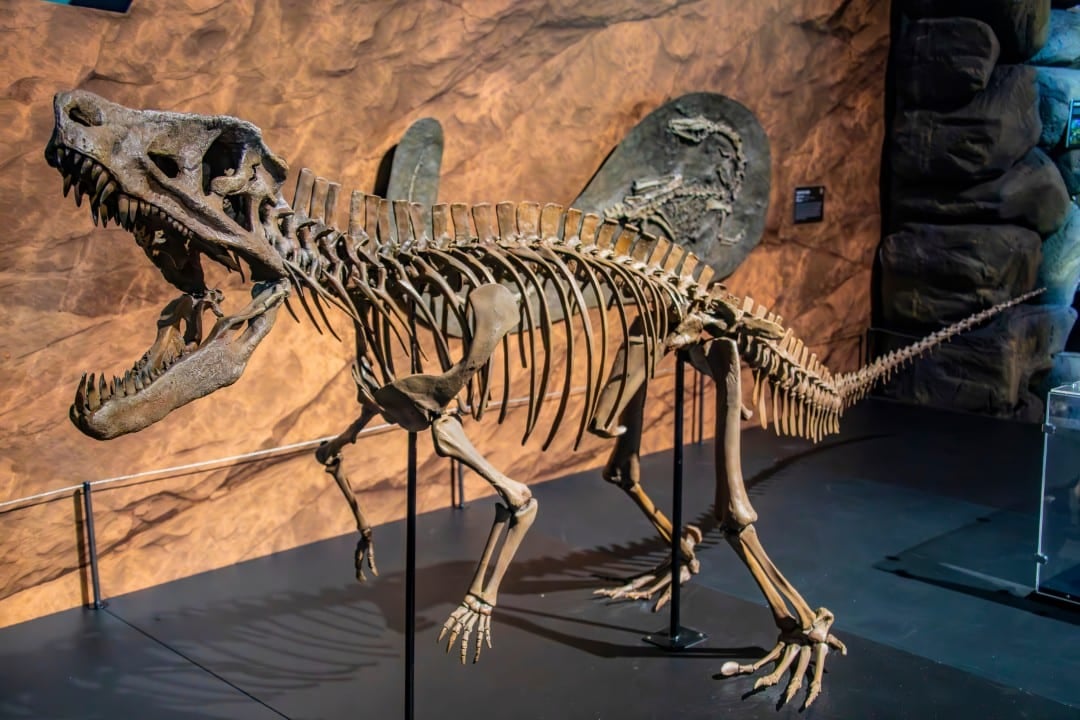
Pesquisadores discovered a new species of prehistoric reptile in fossil deposits in the state of Wyoming, in Estados Unidos. The specimen, named Opisthoamimus Gregorii, measures just 16 centimeters long and offers crucial information about a group of animals that coexisted with dinosaurs. The discovery is considered exceptional by paleontology, as practically complete skeletons of this nature rarely emerge in excavations.
The fossil was found in a rock layer close to the remains of Allosaurus, a large predator from the Jurássico period. Embora fragmented in some points, the specimen preserves unique characteristics that differentiate it from other known species. Apenas the tail and hind legs are missing, but the rest of the skeleton remains in a remarkable state of conservation for scientific analysis purposes.
Three-dimensional Reconstrução reveals the animal’s complete anatomy
Pesquisadores used microfocus computed tomography (CT) technology in three different laboratories to create accurate three-dimensional models of bone structure. The skull and vertebrae fragments were preserved using appropriate methods that allowed digital reconstruction without damaging the original material. David Demar Jr., researcher involved in the study, explained that this quality of preservation opens up previously impossible possibilities for future comparative analyses.
Segundo Demar Jr., three-dimensional models allow researchers to analyze the internal structure of the animal’s skull using computers, facilitating subsequent studies without the need to manipulate the original specimen stored in museums. Essa’s non-invasive approach represents a significant advance in modern paleontology, enabling detailed investigations that were previously impractical.
Hábitos food and unique characteristics of the species
Opisthoamimus Gregorii was an insectivorous animal that fed on more delicate prey, such as insects and possibly small arthropods. The shape of its skull provides clear evidence of this dietary interpretation. Masahiro Karano, paleontologist of Museu Nacional of História Natural of Smithsonian, emphasized that the ability to gnaw on hard foods, such as insect exoskeletons, constitutes a distinctive characteristic of this species.
Entre the reptiles of the time, Opisthoamimus Gregorii presented a particularly specialized feeding method. Seu skull did not have an independent structure, but integrated into the body in a unique way. Tuatara, a modern descendant of this lineage that inhabits Nova Zelândia, maintains similar characteristics to this day. The movement of the jaws occurs precisely, allowing you to cut hard foods accurately.
Análises revealed that parts of the skull showed erosion or detachment of fragments. Através CT reconstruction made it possible to digitally restore these damaged regions, allowing for a more complete understanding of the original anatomy. Esse type of detailed information rarely reaches researchers when fossils remain incomplete.
Contexto evolutionary and group diversity
Opisthoamimus Gregorii was part of a group of reptiles that supported multiple biological functions in the Jurássico ecosystem. Algumas species fed on meat, while others consumed plants. Esse group diverged from common ancestors approximately 230 to 300 million years ago, during the period when Tocaia and Hepaia still existed as distinct lineages. The diversity and evolutionary success of this group are directly related to their adaptive capacity, although many species disappeared when dinosaurs completely dominated the planet.
- Tuatara, a living descendant of this lineage, has exceptional longevity, with individuals reaching up to 100 years of age.
- Capacidade for survival in cold environments, allowing adaptation to variable climatic conditions.
- Estratégia prolonged reproductive, with developmental periods extended over decades.
- Mecanismos specialized physiological species that favored persistence in competitive ecosystems.
Nenhuma of these characteristics alone completely explains why the group disappeared. Atualmente, only Tuatara survives as a living representative of this lineage, becoming a true relic of the Mesozoico period.
Contribuições for modern paleontology
The research was published in the journal Journal of Systematic Palaeontology, presenting new parameters for classifying fragmented fossils belonging to this group. Embora’s discovery does not completely solve the great enigma of the extinction of these reptiles, it adds important pieces to the paleontological puzzle. Especialistas emphasize that the appearance of well-preserved specimens like this constitutes a rare and valuable event for science.
The Museu Smithsonian data emphasize the exceptionality of this preservation. The excavation at Morrison reaffirms the existence of a historically rich fossil record of dinosaurs, consolidating the ongoing importance of archaeological expeditions in this region to advance the understanding of prehistoric life.





