
Blue moon in May 2026 will have double phenomenon with micromoon and proximity to star Antares

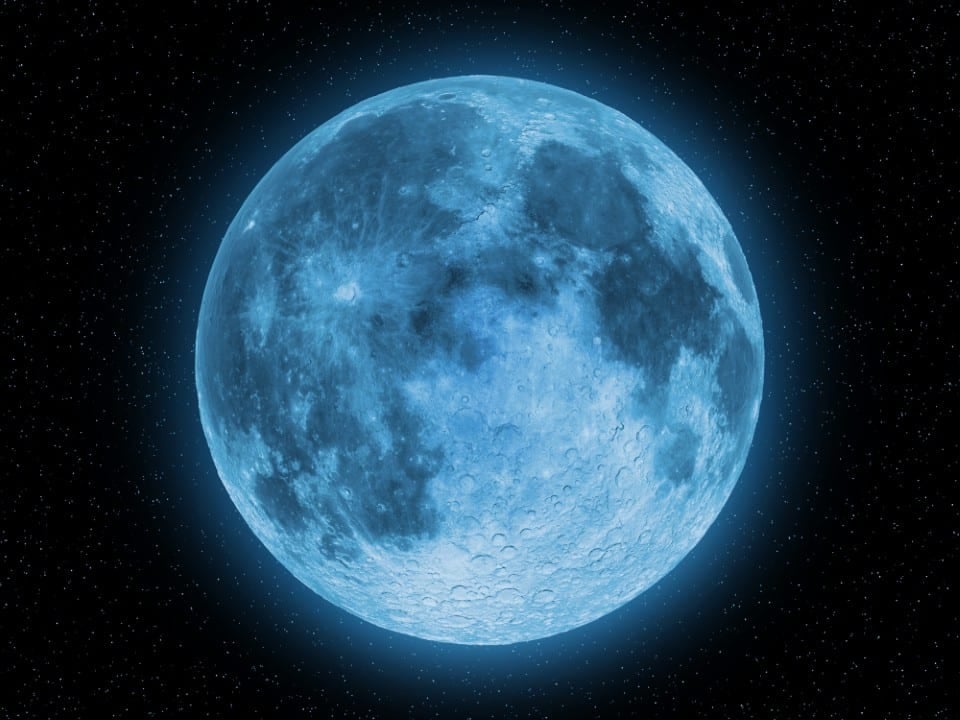
The astronomical calendar reserves a rare event for the end of this month. Entre On the night of the 30th and the early morning of May 31st, 2026, the blue moon phenomenon occurs. Trata is the second full moon recorded in a single month, after Lua of Flores appeared on May 1st. The event will not be repeated for the next two or three years.
The astronomical coincidence is reinforced by a second important technical factor. Esta full moon will also be a micromoon, reaching the furthest point of its orbit in relation to Terra, known as apogee. The natural satellite should appear visually smaller to attentive observers and high-precision photographic equipment.
Distância maximum and brightness reduction in the sky
Diferente of the supermoons, which enchant with their enlarged size, the micromoon of May 2026 is classified as the furthest in the entire current calendar. The satellite can appear up to 14% smaller than when it is at perigee, the closest point to the planet. Compared to a conventional full moon, the estimated visual reduction is approximately 7%.
Technical observation reveals details that go unnoticed by the naked eye. Especialistas indicate that the brightness also undergoes a subtle reduction due to the orbital distance. Mesmo thus, the lunar disk will maintain its characteristic illumination, being the main celestial object visible during the period. The bluish tone, despite the popular name, will not actually occur, maintaining the traditional grayish white.
- Maximum illumination Pico: 8:45 am (UTC time) on May 31st.
- Optimal Visibilidade: May 30th and 31st Noites across Brasil.
- Astronomical Localização: Proximidade with the constellation Escorpião.
- Estrela guide: Antares will appear visually close to the satellite.

Conjunção visual with star Antares
One of the biggest attractions for astronomy enthusiasts will be the position of the moon in the sky. Ela will be visually aligned with Antares, the brightest star in the Escorpião constellation. The reddish glow of Antares should create an interesting contrast with the silver tone of the full moon, making the region easier to identify for those using binoculars or amateur telescopes.
The apparent meeting between the two stars takes place while the moon transits the southern region of the zodiac. As it is a micromoon, the field of view around the satellite will appear “cleaner”, allowing medium magnitude stars around Escorpião to be noticed more easily. The scenario favors long exposure astrophotography records.
Historical Origem and the Metonic cycle
The modern definition of a blue moon as the second full moon of the month gained strength in 1946. Antes Furthermore, the term was applied seasonally, referring to the third full moon in a season that featured four such events. The current phenomenon is directly linked to the Metonic cycle, a mathematical relationship where 235 lunar months fit into almost 19 solar years.
Essa periodicity ensures that the calendar undergoes natural adjustments over the decades. Como the lunar month lasts about 29.5 days, the accumulation of overtime allows the occasional 31-day month to host two peaks of complete illumination. The next occurrence of a seasonal blue moon, following the old rule, is not expected until May 2027.
The 2026 event ends an observation cycle that began with Lua of Flores. Aquela The first moon in May was also considered small, but the one now surpasses the distance record. It is an opportunity to understand how the satellite’s elliptical orbit influences visual perception here at Terra.





