Spirit Airlines ceased operations after two decades of operation in the airline market, consolidating one of the biggest bankruptcies in the sector in recent years. The low-cost airline, which operated more than 80 regional routes on the Estados Unidos and Caribe, requested legal protection in November 2024, marking the end of a trajectory marked by growing debt, an aging fleet and poor operational management. The collapse left tens of thousands of passengers with canceled tickets and millions in credits without immediate refunds.
The decision for bankruptcy came after the merger with Frontier Airlines, approved by regulatory authorities, was blocked by court decision in 2022. The agreement between the two low-cost airlines represented the only viable opportunity for restructuring, according to industry analysts. Sem following its exit, Spirit racked up consecutive operating losses, saw its market value plummet, and became unable to refinance its $3 billion debt.
Trajetória of debt and mistaken strategic decisions
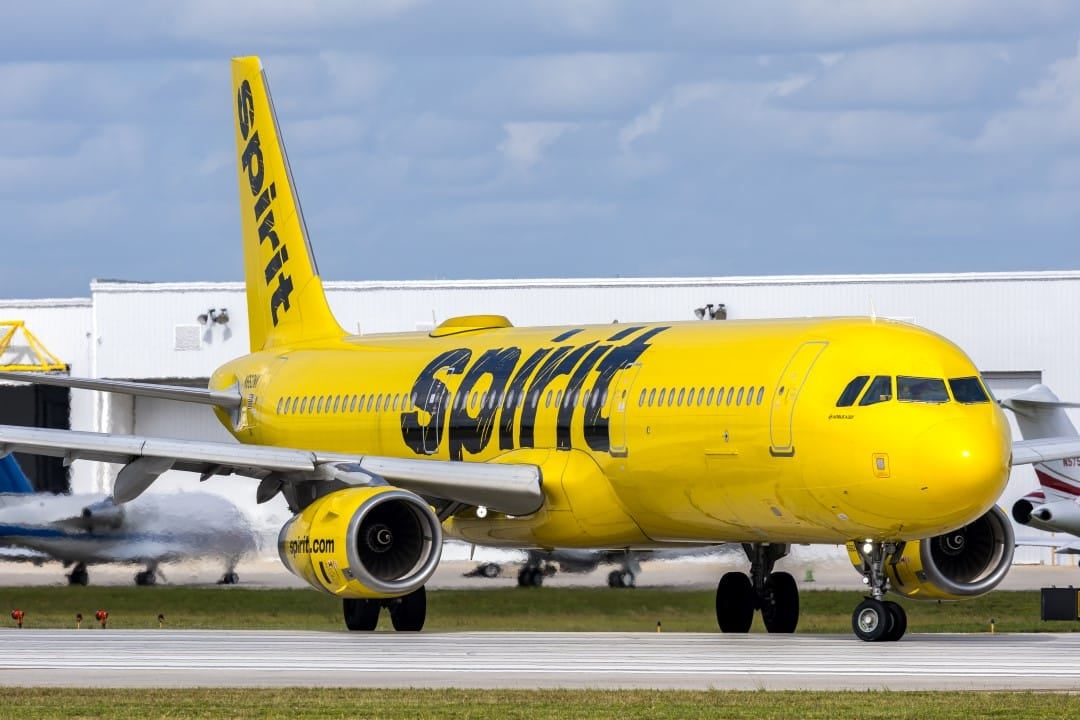
Spirit Airlines began operations in 1983 as a regional transportation division of Clipper Group. Transformou became an independent company in 1992 and expanded aggressively during the 2000s, using third-party financing to acquire aircraft and open new routes. Esse’s accelerated growth model generated structural debt that was never adequately diluted, even during periods of positive revenue.
Entre 2015 and 2019, the company accumulated operating losses of more than 800 million dollars. The covid-19 pandemic intensified the crisis, reducing demand and generating additional costs. Mesmo With the resumption of travel in 2021 and 2022, Spirit was unable to generate sufficient cash flow to service its debt incurred. Investidores and creditors began to push for the merger as the only viable alternative.
Bloqueio legal merger and immediate consequences
Frontier Airlines and Spirit Airlines announced plans to merge in July 2022 at a valuation of $3.6 billion. American Justiça’s Departamento challenged the deal, arguing that it would eliminate key competition in the low-cost segment and cause damaging consolidation in the domestic market. The July 2023 court decision prevented the operation, frustrating Spirit’s last chance of salvation.
With the merger door closed, the options quickly dwindled:
- Venda of assets by settlement price (aircraft, landing slots, routes)
- Negociação with other transporters to take over selected operations
- Procura by strategic investor willing to absorb high debt
- Reestruturação under legal protection of American Falências Código
Spirit opted for restructuring, filing for Chapter 11 in November 2024. The company declared assets of 8 billion dollars against liabilities of 10.3 billion, creating a vacuum of 2.3 billion with no immediate prospect of coverage.
Impactos in airline operation and consumer market
The collapse affected 37 regional routes and around 2,400 crew members received layoff notices. Passageiros with future tickets faced automatic cancellation or allocation to competing airline flights with higher costs. Frontier Airlines, which competed directly in the low-cost segment, absorbed part of the operations, maintaining some destinations while closing others.
Agências Regulatory agencies such as Federal Aviation Administration (FAA) and Departamento of Transportes have implemented protocols to protect secured creditors and general creditors. Investidores that held debt obligations of Spirit recorded losses in excess of 95% of face value. Acionistas lost virtually all of their investment, with shares trading close to zero following the announcement.
Fatores Structural Beyond Locked Fusion
Analistas point out that Spirit’s bankruptcy reveals broader problems in the low-cost airline model. The sector’s operating margin fell from 12% in 2015 to 3% in 2024, pressured by increased fuel, higher crew salaries and maintenance costs. Spirit, operating a margin of 1.5%, was unable to compete in this environment.
The aging fleet worsened the situation. The company operated 147 Airbus A319 and A320 aircraft, many with more than 15 years of use. Custos maintenance services grew 28% between 2022 and 2024, while revenues per passenger declined 15% over the same period. Investimentos on new aircraft required unavailable capital.
Reguladores faced mixed criticism: While progressives argued that the merger was correctly blocked to protect consumers, the actual result was the company’s total demise, eliminating a low-cost option from the market. Competidores benefited immediately, raising prices on routes previously served by Spirit.
Processo liquidation and prospects for creditors
Nova York’s bankruptcy court appointed a trustee to manage asset sales and distribution of proceeds among creditors. Aeronaves were put up for auction, with buyers such as Southwest Airlines and Frontier purchasing units at reduced prices. Landing Slots at congested airports like Miami and Fort Lauderdale attracted bidders from several international airlines.
The settlement is expected to extend over 18 to 24 months. Credores secured (banks and manufacturers) must recover 40% to 60% of their credits. Unsecured Credores, which include suppliers and passengers with defaulted credits, are expected to recover less than 5% upon completion of the process. The fiscal impact was minimal, as Spirit operated at a loss and generated few federal contributions.