
Hybrid Haval H7 arrives in Brazil in 2026 with electrified technology
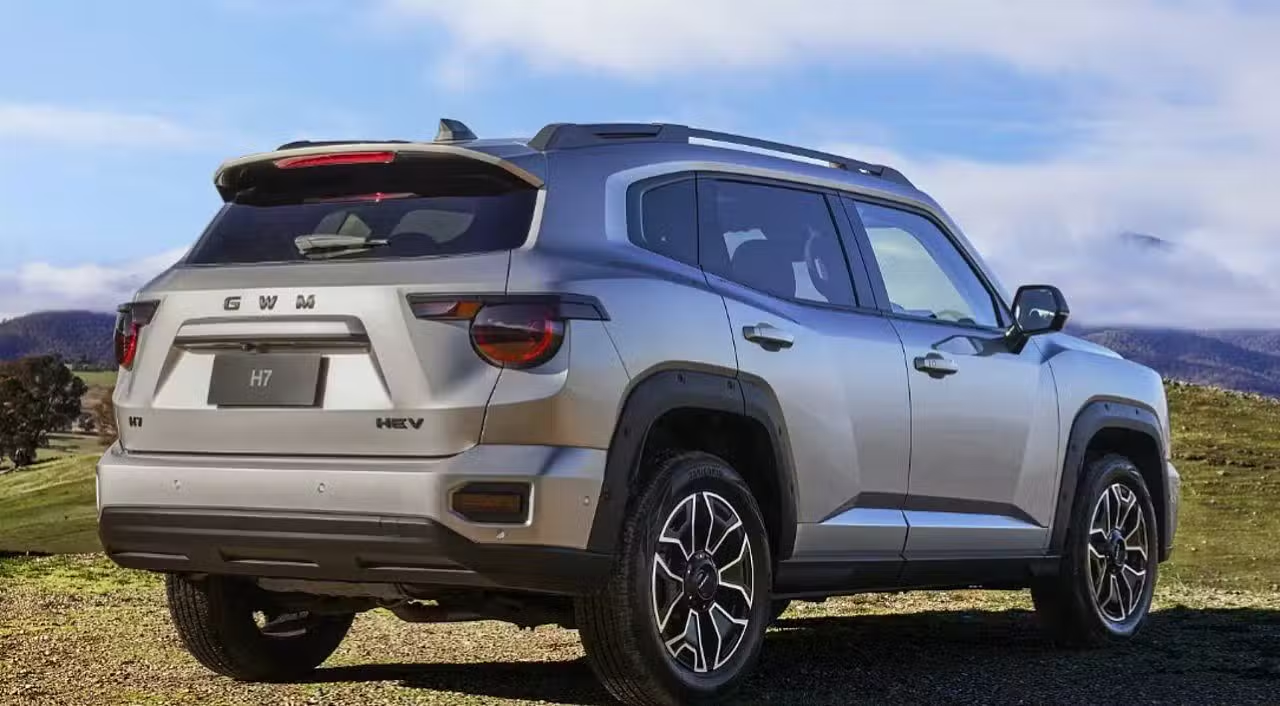
Chinese automaker GWM confirmed the launch of the Haval H7 hybrid on the Brazilian market during the second half of 2026. The new sports utility vehicle combines a combustion engine with an electrical system, positioning itself as a competitive alternative in the medium SUV segment with electrified propulsion. The arrival of the model expands the brand’s portfolio in the country and reinforces its expansion strategy at América Latina.
Especificações techniques and hybrid propulsion
The Haval H7 integrates a combustion engine with a rechargeable electric propellant, reducing fuel consumption and carbon emissions. The hybrid system allows combined operation of the two engines, optimizing performance according to driving conditions. The battery offers autonomy in 100% electric mode for short urban journeys, a strategy that aligns the model with GWM’s global proposal for intermediate vehicles.
The dedicated platform prioritizes energy efficiency without compromising load capacity. The size and weight were calibrated for fuel economy, while the interior follows market trends with integrated technology, onboard connectivity and active safety systems. GWM works on specific adaptations for Brazilian preferences, including suspension calibration suitable for different types of roads and tropical climates.
Strategic Posicionamento in the Brazilian market
GWM identifies significant opportunity in the medium SUV segment with hybrid technology. Embora competitors already occupy this space with consolidated models, the automaker is betting on technological differentiation and competitive cost. The H7 will be sold alongside the Haval H9, a larger model that has been circulating on Brazilian streets since 2023, forming a complete line of utility vehicles from the compact to the premium segment.
Estudos of demand indicates growing interest in electrified vehicles among urban consumers. Incentivos clean technology taxes and fuel concerns drive transition. The company invests in expanding the dealership network for after-sales support, hybrid battery maintenance and training of specialized technicians.
Cronograma launch and trading details
Testes in Brazilian conditions has already begun to ensure adaptation to the country’s climate and road network. The approval phase with Agência Nacional of Trânsito follows an established schedule. Pre-sales can be released before full commercialization, a common strategy in the sector to capture purchase intentions and generate initial demand.


The price has not yet been released, but internal sources indicate a competitive range compared to direct rivals. Financiamento will be offered through partnerships with financial institutions, with special terms for electrified vehicles. The battery warranty will follow international standards, normally superior to conventional mechanics — often eight years or 160,000 kilometers.
Contexto of electrification in Brasil
The hybrid SUV market grows exponentially in the Brasil. Modelos like Toyota RAV4 Prime and Honda CR-V hybrid already capture significant share of buyers. European Fabricantes also reinforce their presence with electrified proposals, reflecting the global trend towards carbon reduction and the search for long-term operational savings.
- Tecnologia rechargeable hybrid with electric range for urban journeys
- Lançamento estimated for second half of 2026
- Posicionamento competitive in the mid-size SUV segment
- Expanding dealership Rede with expert support
- Competitive Preço in development
Expansão regional and future prospects
The Brazilian government has signaled its commitment to electrification through tax policies. Veículos hybrids and electrics receive tax benefits in states like São Paulo and Minas Gerais. Infraestrutura charging is slowly expanding in urban centers, but hybrids do not rely exclusively on plugs, positioning the technology as a bridge between traditional combustion and pure electric.
GWM seeks to consolidate its position in the Latin American market with a confirmed presence in México and Argentina. Embora investment in a Brazilian factory has not yet been confirmed, the import of the H7 will be intermediate until possible local production. The aggressive expansion reflects the automaker’s confidence in the Brasil’s potential as a relevant and growing automotive market for electrified technologies.
Veja Tambem em Latest News (EN)

Yuki Yamada posts photo with beard and grimace on Instagram and surprises fans

Costco sees record demand at U.S. gas stations with lower prices

Passenger tries to enter cockpit and forces diversion of United Airlines flight to Madison

Astronomer explains white light recorded after meteor falls near volcano in Philippines

Comedian Sakamoto-chan reveals type 2 diabetes remission after lifestyle changes

Avi Loeb says discovery of alien intelligence can unite humanity amid global crises

Police investigate death of Hilde Ann Lynn Helphenstein in room at Rosewood São Paulo

Avi Loeb suggests that dark comet 1998 KY26 could be Soviet probe Phobos 1

Typhoon Chan-mi approaches Okinawa and Amami with strong winds this Tuesday

Bad smell in children’s feet has specific causes and can be controlled by parents

Google releases Android 17 Beta 4.1 for Pixel devices
