
Microsoft Unites Windows and Xbox in Revolutionary Hybrid Device for 2026

Microsoft presented equipment that integrates the functionalities of a personal computer and a video game console into a single platform. The Projeto Helix works with two operating systems simultaneously, allowing users to switch between Windows and Xbox without the need for a reboot. The announcement was made during an industry event in 2026 and marks a strategic transformation in the company’s hardware division. Executivos detailed specifications for developers and business partners during technical presentations. The initiative eliminates historical barriers between different company platforms.
The movement responds to consolidated consumer demand for greater flexibility in accessing software catalogs. Analistas point out that the proposal reconfigures the traditional business model of the video game industry. The strategy allows users to switch between Windows and Xbox environments through a quick access menu. The catalog of exclusive games is available on the same day for all screen formats connected to the main account.
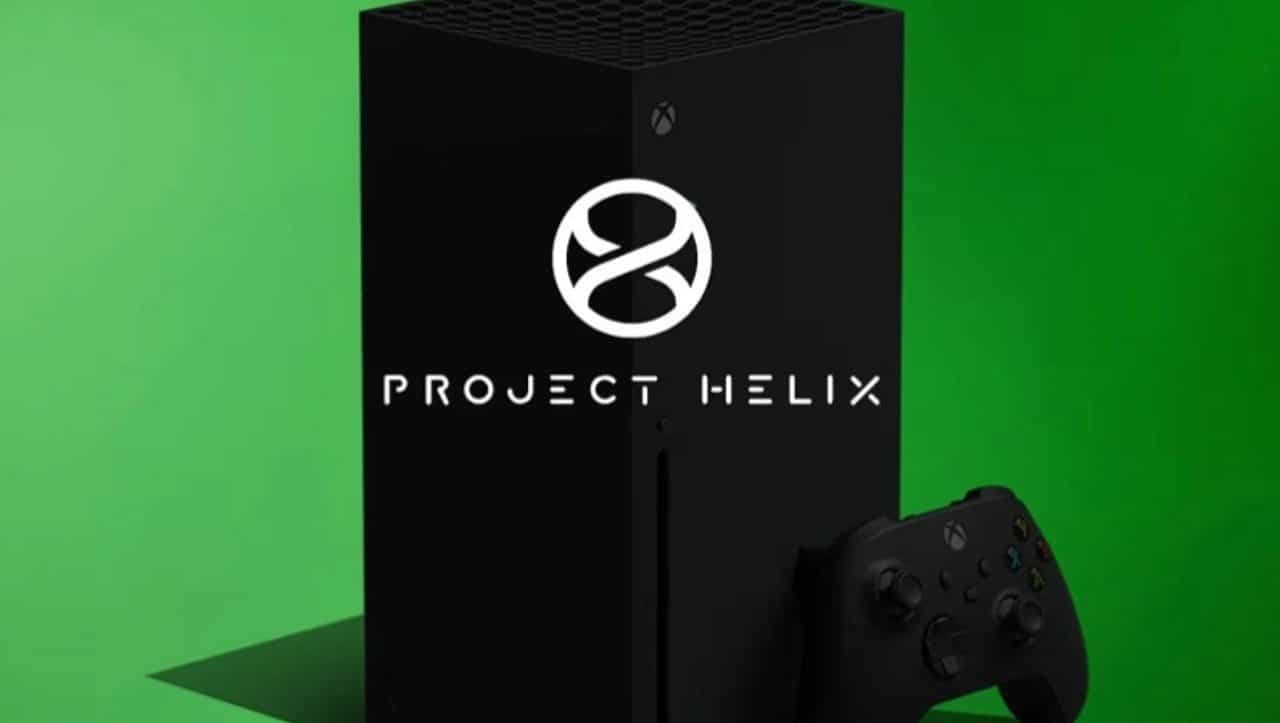
Arquitetura dual integrates systems in compact format
The Projeto Helix uses hardware architecture designed to operate both the Windows environment and the Xbox system software natively. The motherboard was redesigned to accommodate high-performance components in a reduced format, maintaining a physical structure similar to traditional consoles. The refrigeration system uses customized vapor chambers to maintain stable temperatures during prolonged continuous operation. The device supports a variety of peripherals, including keyboards, mice and ultrawide monitors, which automatically synchronize without requiring additional drivers.
Technical integration makes it possible to install virtual stores such as Steam and Epic Games Store directly on the device. Usuários access third-party software catalog without complex modifications. Platform switching menu offers instant transition in seconds. Hardware unification reduces development costs and simplifies end-user experience.
Unified Game Pass transforms subscription model
The introduction of the new equipment fundamentally changes the marketing format of the Game Pass service. Microsoft will unify current catalog divisions into a single subscription valid for any compatible screen. The previous model separated computer and console users into different plans with different libraries. The new structure simplifies membership and guarantees simultaneous access to releases for all registered customers.
- The catalog of exclusive games is available on the same day for all screen formats connected to the main account.
- The cloud save system synchronizes campaign progress instantly between registered devices.
- The family sharing plan expands access to up to five different profiles using independent devices.
- The main interface allows the execution of software purchased from third-party stores within the same virtual environment.
The restructuring requires adaptation in licensing contracts with global partner studios. The company negotiates new distribution terms to ensure that third-party titles remain in the unified catalog. The monthly fee remains undefined, with a price list expected to be released in the coming months.
Cloud Infraestrutura reduces latency in competitive games
The project accompanies the launch of updated infrastructure for broadcasting games via the internet. Cloud 2.0 technology uses an expanded network of local servers to reduce command response time. Network latency represents the main technical obstacle to mass adoption of streaming services. The new architecture specifically focuses on the viability of competitive titles that require quick reflexes from participants.



The geographic distribution of data processing centers received significant investments to support projected demand. The system automatically identifies the user’s location and directs the connection to the closest available server. The stability of high-resolution transmission depends on compression algorithms developed specifically for the new service. Data traffic prioritizes control information packets to ensure accurate movements on the screen.
Advanced Especificações with integrated neural processing
The Projeto Helix technical sheet presents components focused on artificial intelligence for image optimization. A dedicated neural processing unit works in conjunction with the main graphics chip to upscale games in real time. The upscaling method reduces the workload of the central processor and considerably reduces energy consumption. Video memory capacity has seen a substantial increase compared to the brand’s previous generation of consoles.
The device has an internal battery designed to sustain operation in portable mode for four to five hours. Power consumption varies depending on the graphical requirements of the running software. The power system uses USB-C ports that support fast charging protocols. The screen integrated into the portable module uses high refresh rate panels to monitor the performance of internal components.
Simplified Desenvolvimento benefits independent studios
The unification of platforms simplifies the workflow of game creation studios. Programmers use a single set of development tools to optimize code for different screen formats. The software automatically adjusts graphics settings depending on the detected device. The reduction in technical adaptation time reduces operational costs for independent producers.
The testing period involves participation from selected studios under strict confidentiality agreements. Engineers collect performance reports to refine prototype before mass production. The launch calendar points to the product’s arrival on the retail market between 2026 and 2027. The commercial strategy seeks to solve the problem of fragmentation of the brand’s consumer public. The hybrid model centralizes software investments into a single versatile platform that easily adapts to the needs of different user profiles.
Veja Tambem em Latest News (EN)

Gabriel Jesus refuses European giants and decides to stay at Arsenal to seek historic record

Cristiano Ronaldo and Lionel Messi’s fortunes go beyond the pitch with billion-dollar investments

Green Bay Packers running back Josh Jacobs faces arrest following five felony charges in Wisconsin

Brazilian striker details alliance with French star at Real Madrid and praises fight against racism

Arsenal star Bukayo Saka challenges Paris Saint-Germain in the Champions League final

Defender Ona Batlle ends winning streak at Barcelona and moves to Arsenal

Besiktas prepares offer of seven million euros to take goalkeeper Rossi from Flamengo in the next window

Paris St-Germain reaches the Champions League final with a brutal physical advantage over Arsenal

Former midfielder Guti questions the management of Real Madrid’s academy and points to the mystery of Xabi Alonso’s departure

England and Saudi Arabia compete to hire coach Pep Guardiola for national team football

Striker Cristiano Ronaldo secures an unprecedented trophy for Al-Nassr and raises alarm in the Portugal team
